Key Takeaways
-
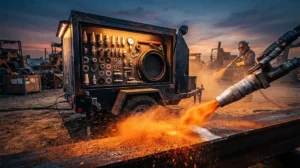
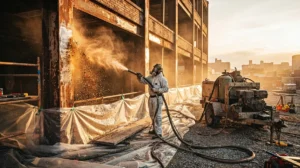
Sandblast cleaning is abrasive blasting done on site: a mobile rig strips rust, paint, and coatings without hauling items to a shop. Most pros now use media like soda or walnut shell instead of silica sand.
-
Match the blast media to the surface, since soda or walnut shell protects fiberglass and wood while steel grit or aluminum oxide cuts heavy rust quickly. Wrong media causes damage even when the job looks clean.
-
For steel coatings, specify the cleanliness grade (such as SSPC-SP 10 near-white metal) and surface profile in your coating spec, and check the project specification for exact acceptance criteria.
-
Wet blasting cuts airborne dust significantly but adds moisture, so bare steel must be dried and protected quickly in humid Florida air before coating.
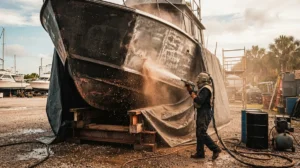
Ever looked at a rusty gate or a peeling boat trailer and thought, “There has to be a better way than scrubbing for three weekends straight”? There is, and it’s called sandblast cleaning. In the mobile blasting world, it means using a blasting rig to strip rust, old paint, coatings, and buildup right at your location. No hauling. No drop-off. Just a clean surface, ready for the next step.
We’re Blastworx, an owner-operated mobile blasting crew serving Tampa Bay and central Florida. We see the same questions all the time. What is it, really? Will it hurt my surface? What does it cost? So we pulled together nine things worth knowing before you book a job. Whether you’ve got a Tampa backyard fence or a Fort Myers boat dock, this guide will help you feel confident about what comes next.
Grab a cold drink and let’s dig in.
1. Sandblast Cleaning Is Really Abrasive Blasting
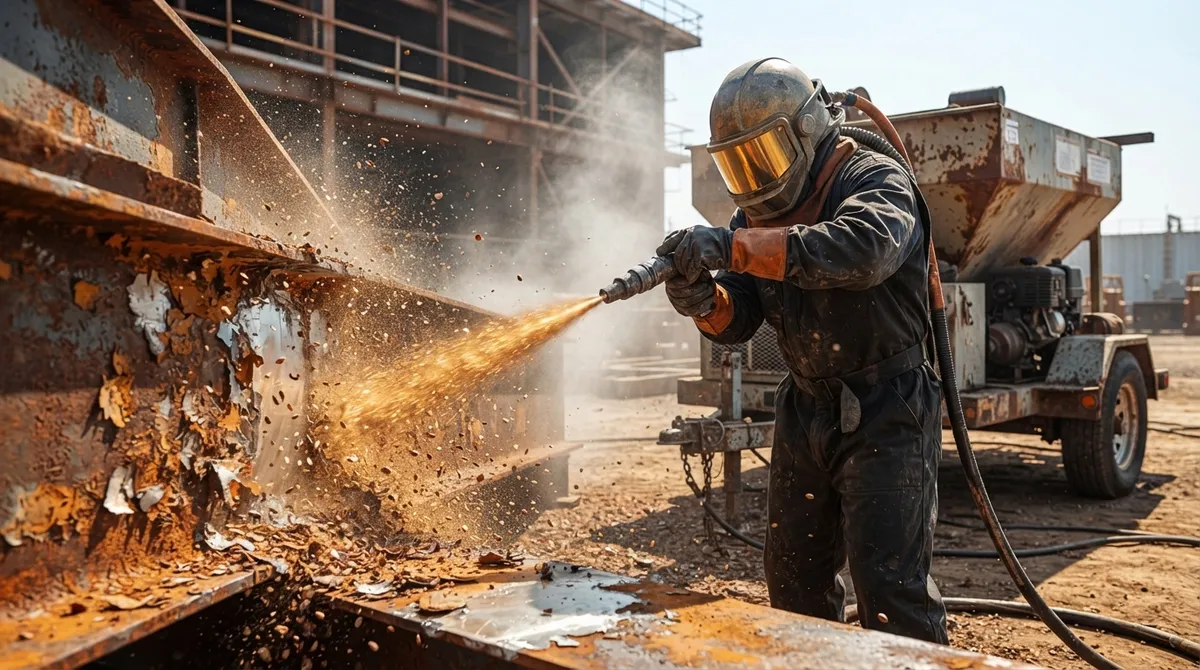
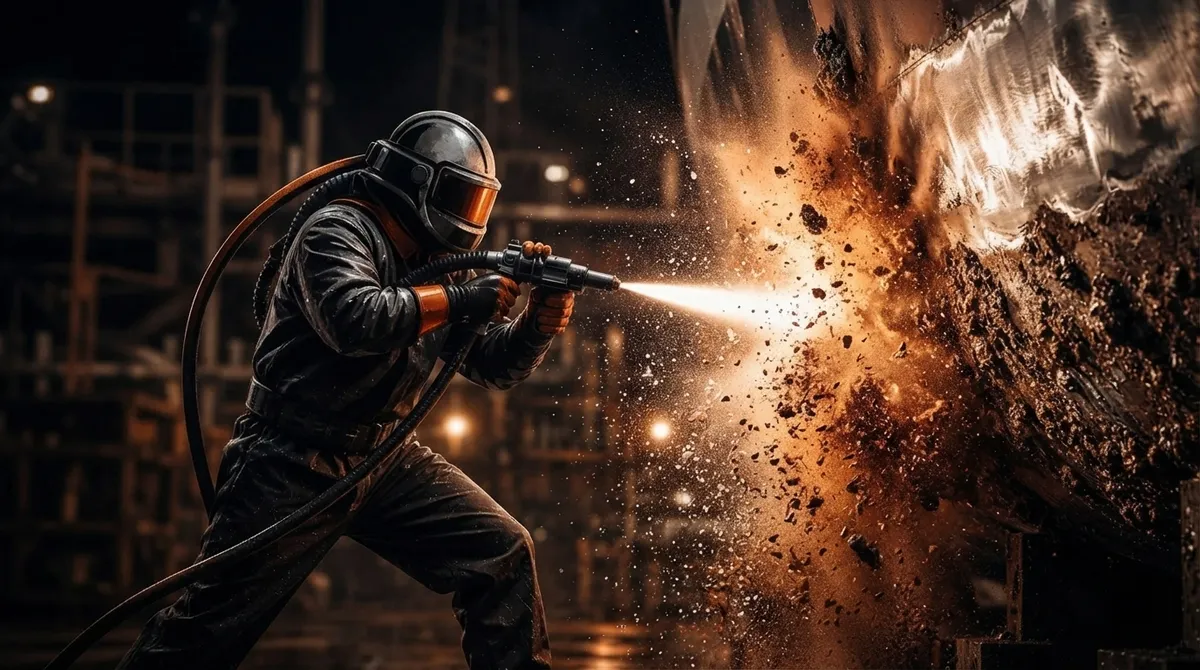
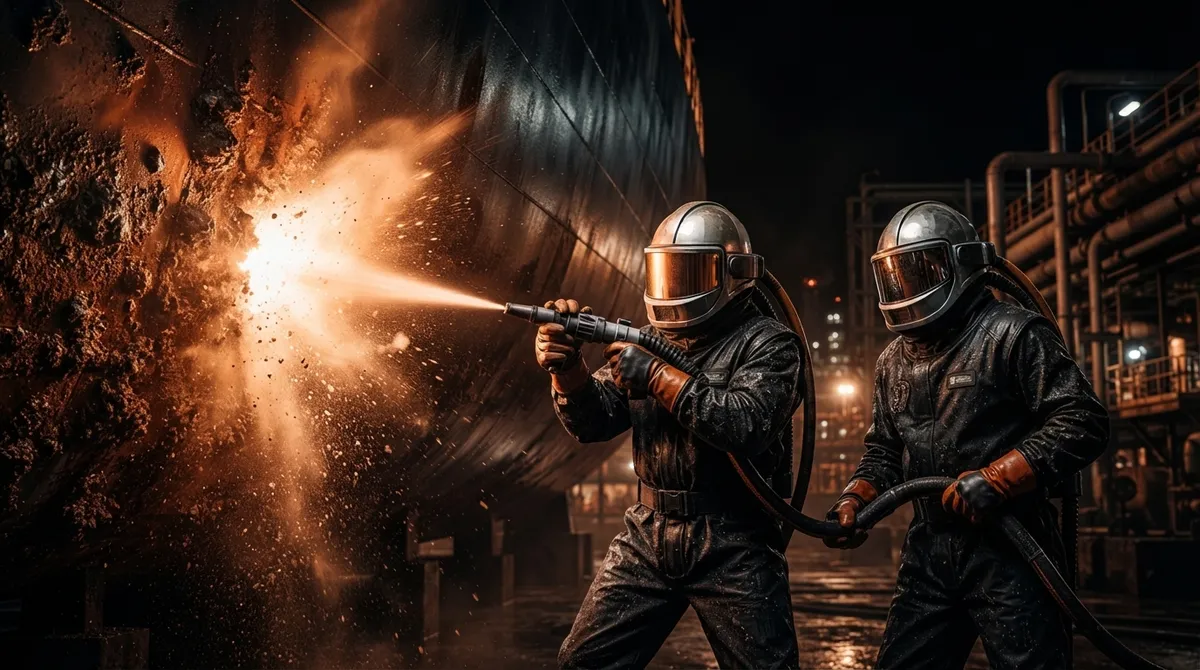
Here’s a fun secret. The name “sandblasting” sticks around, but most pros don’t blast with plain sand anymore. What is sandblasting at its core? It’s propelling media at a surface to clean it or change its texture. The media can be soda, walnut shell, glass bead, aluminum oxide, steel grit, and more.
Why the switch? Dry silica sand can create harmful dust. OSHA guidance on abrasive blasting points out that silica dust is a serious health hazard and that contractors should consider lower-dust alternatives. That’s one big reason we choose media carefully.
For a deeper look at the basics, see our guide on what sandblasting is in Florida.
2. The Media Matters More Than You Think
We match the blast to your surface, not the other way around. A delicate wood deck and a thick steel beam need very different treatment. Using the right media for the job is how you get a clean result without damage.
| Surface | Typical Media | Why It Fits |
|---|---|---|
| Fiberglass boat hull | Soda or walnut shell | Gentle on gelcoat |
| Heavy steel or frames | Steel grit or aluminum oxide | Cuts rust and mill scale fast |
| Concrete and pavers | Sand alternatives or wet blasting | Removes buildup and stains |
| Wood deck or trim | Soft media, low pressure | Protects the grain |
| Thin body panels | Soda or fine media | Helps avoid warping |
Not sure where your project lands? Our post on six types of sandblasting breaks it down in plain language.
3. It Brings the Whole Surface Back to Clean, Sound Material
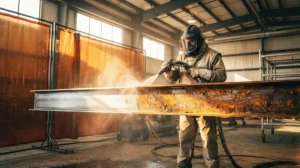
Hand-sanding and wire brushes miss rust hiding in seams, welds, and corners. Blasting hits all of it at once. That takes the surface back to clean, bare metal or clean, sound material, so the next coat can grab on tight.
This matters a lot in Florida. Heat, humidity, and salt air are hard on every coating. If the prep is weak, even the best paint fails early. We cover this head-to-head in blasting vs. hand tools for steel prep.
4. “Clean” Has Real Standards for Steel
If you’re prepping steel for a coating, “clean” isn’t just a feeling. AMPP (formerly SSPC and NACE) publishes recognized cleanliness grades. Here are the common ones:
- SSPC-SP 5 (White Metal): Removes all visible rust, mill scale, and coatings.
- SSPC-SP 10 (Near-White Metal): Nearly all visible residue removed, with only light staining allowed.
- SSPC-SP 6 (Commercial): Staining may remain on up to 33% of each unit area, per the AMPP summary.
- SSPC-SP 14 (Industrial): Allows some tightly bonded residue to remain.
- SSPC-SP 7 (Brush-Off): Removes loose material only.
One key point: the cleanliness grade is not the same as the surface profile. Profile is the texture the blast leaves behind. Your coating system’s spec should call for both. Always check the project specification for exact acceptance criteria. For more on prep, read 14 surface prep steps before commercial coating.
5. Wet and Dry Blasting Aren’t the Same
Dry blasting is fast and versatile, but it makes more dust. Wet abrasive blasting adds water to the stream, which can cut airborne dust a lot. The trade-off? You add moisture. Bare steel can flash rust quickly in Florida’s humid air, so drying and corrosion control need to happen promptly before coating.
Dustless blasting is a popular wet option for indoor work, active job sites, and areas near other equipment. Learn why in what makes dustless blasting in Tampa so effective, or compare both styles in wet sandblasting vs. dry.
6. Mobile Means We Come to You
This is where it gets fun. Our rig is fully mobile and self-contained, so we work dockside, in a driveway, at a shop, or on a job site without needing your power or water. That’s a huge win for items that are hard or costly to move, like boat trailers, structural steel, tanks, and big equipment.
Of course, a few things affect feasibility:
- Site access for the rig
- Work area size and layout
- Weather conditions
- Containment needs
- Waste handling
Curious how this compares to a shop? Check out mobile rig vs. drop-off shop.
7. Safety and Containment Are Non-Negotiable
Blasting can create respirable dust, including crystalline silica from some abrasives or from the surface itself, such as concrete or masonry. Old coatings can add their own hazards too. OSHA guidance calls for hazard assessment, proper respiratory protection, ventilation or dust collection where it applies, and protecting nearby people.
That’s why we contain the mess and protect the surrounding area. Landscaping, pools, windows, and neighboring property all get attention before we start. We’re also fully insured, which gives you peace of mind. Want the details? Read how pros handle sandblasting dust control and our five safe blasting procedures.
8. It Works on More Surfaces Than You’d Expect
Sandblast cleaning isn’t just for rusty steel. Here’s a quick look at where we put it to work across our five service areas:
- Marine: Boat hulls, trailers, docks, davits, and hardware. See our marine blasting page.
- Automotive: Frames, wheels, panels, and undercarriages. See our automotive blasting page.
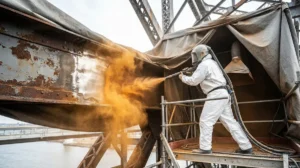
- Industrial: Structural steel, tanks, and heavy equipment. See our industrial blasting page.
- Commercial: Concrete, graffiti, storefronts, and fleet vehicles. See our commercial blasting page.
- Residential: Fences, railings, pool decks, pavers, and patios. See our residential blasting page.
One heads-up: we don’t blast vinyl fencing because it’s too delicate. Curious about wood? Our post on whether sandblasting damages wood explains how soft media and low pressure keep it safe. And for stone, concrete, and pavers, these concrete facts help.
9. Price and Timing Depend on a Few Simple Things
Every job is different, so we don’t believe in guessing. Cost and time usually depend on:
- The size of the surface
- How thick the rust or coating is
- The substrate and the media needed
- Site access and setup
- Containment and cleanup needs
Our process keeps it simple. First is a walkthrough, where you send photos or we come look. Next you get a free written estimate the same day, and the price we give is the price you pay. Then we protect the area, blast and strip the surface at your location, and leave it ready for the next step. For more detail, see how much sandblasting estimates really cost and how long sandblasting takes.
Before You Book: A Quick Checklist
A little prep makes the day go smoothly. Before we arrive, it helps to know these things:
- What surface or item is being blasted
- What coating or rust you’re removing
- What finish comes next, like paint, powder coat, or resurfacing
- Any nearby items that need protection
Remember, we do strip and prep, and refinishing is usually handled by you, your painter, or your coating crew. Our nine steps to prepare for sandblasting walk you through it.
Why Florida Property Owners Choose Blastworx
We serve Tampa, Clearwater, Sarasota, Ocala, Orlando, and Fort Myers, plus towns like Brandon, Riverview, Plant City, Lutz, and St. Pete. You can see the full service areas and browse our project gallery to see real before-and-after results.
When you call, you talk to the people doing the work. We’d love to earn your trust, and you can visit us on Google and see what our customers are saying about us. Want to understand why local businesses lean on this service? Read why Tampa businesses choose mobile sandblasting.
Wrapping It Up
Sandblast cleaning is about more than making things look good. It’s about giving paint, powder coat, and protective coatings a surface they can actually hold onto. Match the media to the surface, follow the right cleanliness standard, control the dust, and you set yourself up for a finish that lasts through Florida’s heat and salt air.
Ready to see what it can do for your project? Get a free estimate today, or give us a call at 813-380-8092. You can text us too. We come to you, we contain the mess, and we leave your surface ready for the next step.
FAQs
Q: What is sandblast cleaning, and how does mobile sandblasting work?
A: Sandblast cleaning is abrasive blasting that strips rust, old paint, coatings, and buildup from a surface. With mobile blasting, our self-contained rig comes to your location, so you don’t have to haul anything anywhere. We pick the right media, protect the area, and leave the surface clean and ready for the next step.
Q: Is sandblasting the same as abrasive blasting?
A: Pretty much! “Sandblasting” is the familiar name, but abrasive blasting is the broader term. Many jobs use media like soda, walnut shell, glass bead, or aluminum oxide instead of silica sand, since the right media depends on your surface and finish.
Q: Does wet blasting really reduce dust?
A: Yes, wet abrasive blasting can cut airborne dust a lot, which makes it a great fit for indoor work or busy job sites. The trade-off is added moisture, so bare steel needs prompt drying and corrosion control before coating.
Q: How do I choose the blast cleaning grade before I paint or coat?
A: Start with your coating system’s specification, since it names the required cleanliness grade, such as SSPC-SP 10 near-white metal, and the surface profile. We can talk through your project and help you match the blast to what your coating needs.