
Key Takeaways
-
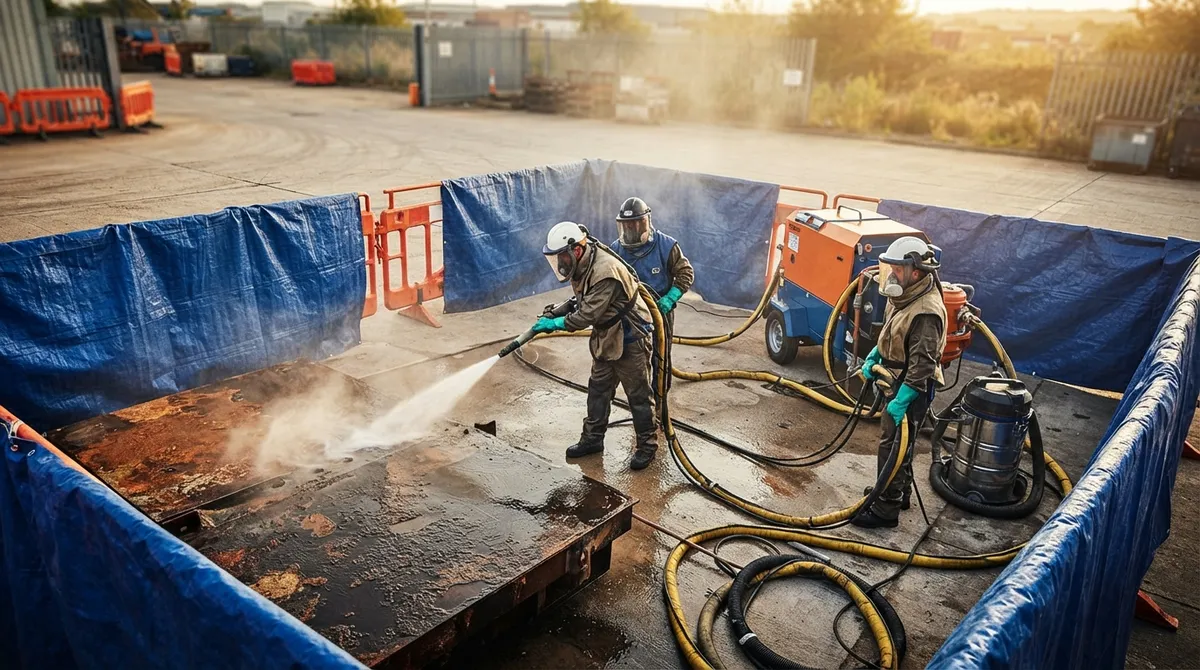
OSHA recommends prioritizing substitution and engineering controls (water, vacuums, containment) before relying on PPE; dust control happens before the trigger is pulled, not after.
-
Wet/dustless blasting significantly reduces airborne dust by trapping particles at impact, making it ideal for residential areas near homes, pools, or businesses.
-
Media selection dramatically affects dust levels; silica sand creates dangerous crystalline silica dust linked to silicosis and lung cancer, so professional crews use soda, crushed glass, or garnet instead.
-
Proper containment requires blast curtains, tarps, access barriers, wind monitoring, and ground protection; poor containment planning is a top mistake in residential sandblasting projects.
-
Cleanup must include HEPA-filtered vacuums, proper collection of spent media, and hazardous waste disposal following local regulations; dust control doesn’t end when blasting stops.
-
Ask contractors about media choice, containment plans, lead testing, waste disposal procedures, and insurance before hiring; a company confident answering these questions deserves trust.
If you’ve ever watched a sandblasting job from a distance, you probably noticed the cloud. Dust rolling off a surface can look impressive, but it’s not something you want drifting into your yard, your neighbor’s pool, or your lungs. Sandblasting dust control is the difference between a job that’s done right and one that leaves a mess behind, or worse, a health hazard. At Blastworx, we’ve spent years perfecting how we manage dust on job sites across Tampa Bay, and we want to walk you through exactly how it’s done.
Whether you’re a homeowner curious about what happens when a crew shows up to blast your pool deck, or a business owner planning a coating removal project, understanding dust control helps you ask the right questions. It also helps you feel confident that the company you hire knows what they’re doing. Let’s break down the real methods, the science behind them, and what you should expect from a professional mobile blasting crew.
What Sandblasting Dust Control Actually Means
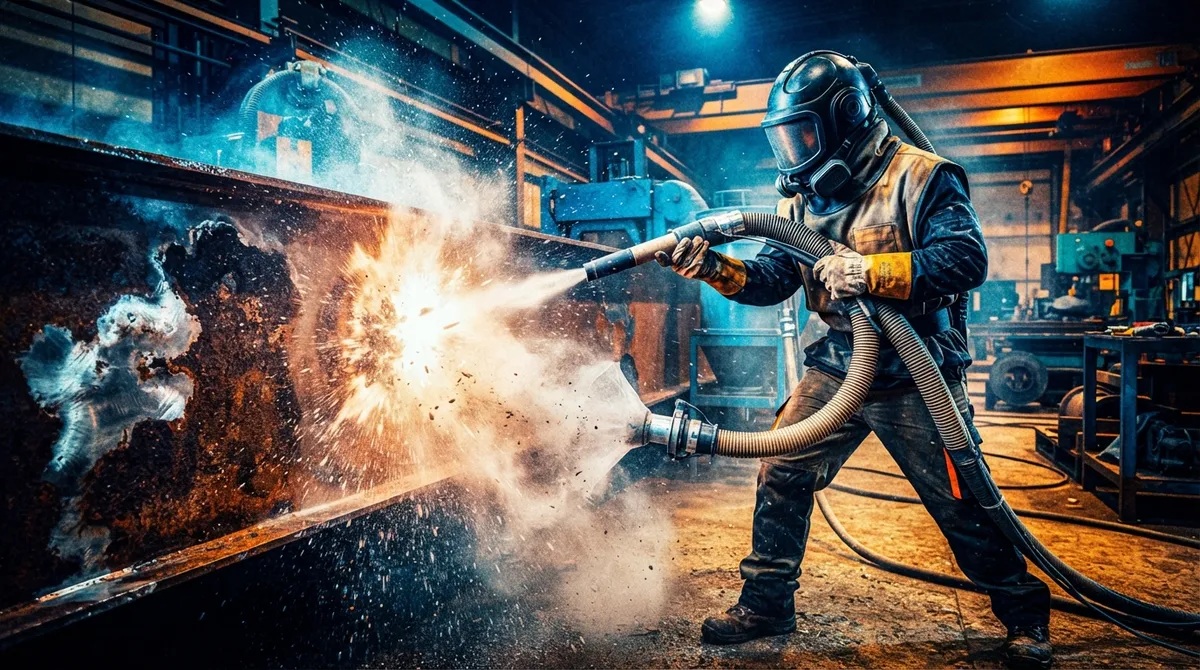
In simple terms, dust control means stopping abrasive particles, paint chips, rust, and other debris from floating into the air where people can breathe them in. This isn’t just about keeping things tidy. It’s about protecting workers, neighbors, pets, and the environment from materials that can be genuinely harmful.
Every mobile blasting job creates some level of airborne particles. The goal isn’t to pretend that away. It’s to manage it with the right combination of equipment, technique, and site setup. This is exactly what we mean when we say we match the blast to your surface, not the other way around. Dust control is part of that match.
Why This Matters More Than You Might Think
Silica sand, one of the most common blasting materials, can create respirable crystalline silica dust. According to OSHA’s guidance on crystalline silica, this dust is linked to silicosis, lung cancer, and other serious breathing problems. That’s not a small concern, and it’s why professional blasting companies think carefully about which media they use and how they contain it.
Older coatings can add another layer of risk. Lead-based paint, for example, becomes far more dangerous once it’s turned into fine dust. This is one reason a good contractor evaluates the surface and coating before ever pulling the trigger on a blast gun.
The Control Hierarchy Every Mobile Blaster Should Follow
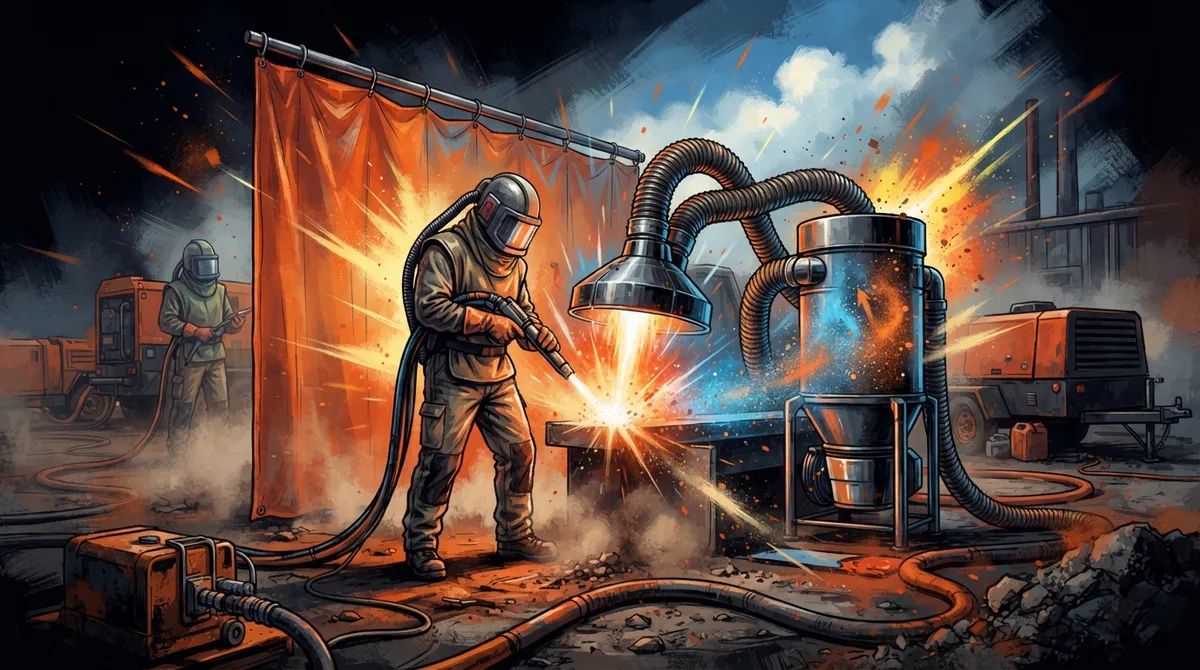
OSHA recommends a specific order of priorities for controlling dust exposure. Understanding this hierarchy helps explain why we do things the way we do on every job.
- Substitution: Choose a less harmful blasting media whenever possible, swapping silica sand for soda, crushed glass, or other lower-risk options.
- Engineering controls: Use physical tools like water, vacuum systems, and containment barriers to capture dust at the source.
- Administrative controls: Schedule work during low-traffic hours, restrict access to the work zone, and monitor weather conditions.
- Personal protective equipment: Respirators, suits, and eye protection for the crew as a final layer of defense, not the first line of defense.
Notice that PPE is last on this list, not first. OSHA is clear that employers should reduce exposure through engineering and work-practice controls before relying on respirators. This mirrors what we’ve learned firsthand: the best dust control happens before the trigger is ever pulled, not after.
Choosing the Right Media for Lower Dust
Not all blasting media create the same amount of airborne dust. This is one of the biggest factors we consider before starting any job, and it’s part of what we mean by using the right media for the job.
| Media Type | Dust Level | Best Use Case |
|---|---|---|
| Silica Sand | High | Rarely used today due to silica exposure risk |
| Soda (Sodium Bicarbonate) | Low to Moderate | Delicate surfaces like fiberglass, gelcoat, wood |
| Crushed Glass | Moderate | Metal prep, general surface cleaning |
| Garnet | Moderate | Heavy rust and coating removal on steel |
| Dustless (Wet) Blasting | Very Low | Sensitive areas, near homes or businesses |
Before any job starts, we check safety data sheets and verify what’s actually in the media we’re using. Silica-free options have become the standard for good reason, and we lean on them whenever the surface allows it.
Wet and Dustless Blasting: A Game Changer
One of the most effective ways to knock down dust is to add water into the mix. This is often called dustless blasting or vapor blasting, and it works by trapping particles at the point of impact so they never become airborne in the first place.
We get asked all the time what makes dustless blasting in Tampa so effective, and the honest answer is simple physics. Water weighs down the dust before it can travel. It’s especially useful in residential neighborhoods, near busy roads, or on jobs close to pools and landscaping.
That said, wet blasting isn’t a magic fix. It creates wastewater and wet spent media that may still contain lead, chromium, or other contaminants depending on the coating being removed. That waste has to be collected and disposed of properly, following state and local rules. Wet blasting reduces airborne dust significantly, but it doesn’t eliminate the need for careful handling of what’s left behind.
Vacuum Blasting for Targeted Jobs
Vacuum blasting is another strong option, especially for smaller or more contained areas. A shroud surrounds the nozzle and connects to a vacuum system, capturing abrasive and debris right at the surface before it has a chance to spread.
This method works well for detailed work like railings, fence posts, or smaller structural elements. Performance depends heavily on how well the shroud contacts the surface and how well the vacuum system is maintained. It’s a great tool, but it’s not always practical for large open areas like a full pool deck or a boat hull.
Containment and Site Setup
For outdoor mobile blasting jobs, containment is just as important as the blasting method itself. We protect the surrounding area using a combination of the following:
- Blast curtains and tarps to catch falling debris
- Physical barriers to restrict access to the work zone
- Wind monitoring to pause work during gusty conditions
- Scheduling around foot traffic and neighboring activity
- Ground protection to prevent contamination of soil or landscaping
This is especially important for jobs near homes, businesses, or busy streets. We’ve handled plenty of projects where containment made the difference between a smooth job and an unhappy neighbor. If you’ve ever read about the mistakes homeowners make with residential sandblasting in Riverview, poor containment planning is usually near the top of the list.
How Windy Is Too Windy?
Wind is one of the biggest wildcards in outdoor blasting. Even a light breeze can carry dust further than expected, especially with dry media. Most experienced crews will pause or adjust their approach once winds pick up beyond a light, steady breeze, and they’ll always factor in gusts, not just average wind speed. It’s a judgment call based on the job site, nearby structures, and what’s downwind.
Cleanup: The Step People Forget
Dust control doesn’t end when the blasting stops. Spent abrasive and paint debris need to be collected and handled correctly, especially if hazardous coatings were involved. Here’s a simple breakdown of what proper cleanup looks like:
- Collect all visible spent media and debris from the work area
- Use HEPA-filtered vacuums for fine dust on hard surfaces
- Bag and label waste if hazardous materials like lead were present
- Dispose of waste according to local and state requirements
- Do a final walkthrough to confirm the area is clean and ready for the next step
This last step matters a lot to us. We want every surface left back to clean, sound material, ready to prime, coat, or refinish, with no lingering mess for the property owner to deal with.
What This Means for Different Types of Projects
Dust control looks a little different depending on what you’re working on. A few examples:
- Marine projects: Softer media like soda protects fiberglass hulls while keeping dust manageable near docks and water. Learn more about our approach to marine blasting.
- Automotive work: Frames and body panels need careful media selection to avoid warping while still controlling dust in a shop or driveway setting. See our automotive blasting services.
- Industrial jobs: Larger structures often call for dustless blasting when working indoors or near active equipment. Check out our industrial blasting options.
- Commercial properties: Storefronts and parking areas often require after-hours scheduling to reduce disruption. Explore commercial blasting services.
- Residential jobs: Pool decks, fences, and patios need containment to protect landscaping and pools nearby, as covered in our guide to residential blasting.
No matter the project type, the underlying principles stay the same: pick the right media, use engineering controls first, contain the site, and clean up thoroughly.
Questions to Ask Before Hiring a Mobile Blasting Crew
If you’re getting quotes for a project, a little homework goes a long way. Here are a few smart questions to ask:
- What media will you use, and why is it right for my surface?
- How will you contain dust and protect nearby property?
- Do you test for lead or other hazardous coatings before starting?
- What happens to the spent abrasive and debris after the job?
- Are you insured in case something goes wrong?
A company that answers these clearly and confidently is one worth trusting. This is part of why we always say you talk to the people doing the work when you call Blastworx. There’s no middleman guessing at answers.
For a deeper look at how blasting techniques compare to other prep methods, our article on sandblasting vs. pressure washing for concrete is a good place to start. And if you’re curious how the whole process works from a factual, no-fluff angle, what is sandblasting offers a solid overview of the basic technology behind it.
Why Local Experience Matters in Florida
Florida’s heat, humidity, and coastal air create unique challenges for dust control. Wind patterns near the water in Tampa or Fort Myers behave differently than they do inland near Ocala or Orlando. Humidity affects how dust settles and how quickly wet media dries. A crew that’s worked across the central Florida corridor understands these local quirks and adjusts accordingly.
We’ve handled projects from Clearwater driveways to Brandon pool decks, and every single one required a slightly different approach to dust and containment. That kind of hands-on experience isn’t something you can fake, and it’s part of why property owners across our service areas keep calling us back for their next project.
Ready to See the Difference Proper Dust Control Makes?
Sandblasting dust control isn’t just a checkbox. It’s a mindset that shapes every decision from media selection to final cleanup. When it’s done right, you get a clean, restored surface without the headache of a dusty mess or a lingering safety concern. When it’s done wrong, you’re left dealing with damaged landscaping, unhappy neighbors, or worse.
At Blastworx, we contain the mess, we protect the surrounding area, and we always match the blast to your surface. We’re fully insured and fully mobile, so we come to you anywhere across Tampa Bay and the central Florida corridor. If you want to see what real customers say about working with us, visit us on Google to see what our customers are saying about us. And if you’re ready to talk through your project, get a free estimate today, or give us a call to speak directly with the crew that will be doing the work.
FAQs
Q: What is the best dust-control method for mobile sandblasting?
A: Honestly, it depends on the job. For sensitive areas near homes or water, dustless (wet) blasting is often our go-to because it knocks dust down right at the surface. For detailed work, vacuum blasting can be a great fit. We always match the method to your specific surface and surroundings.
Q: Is wet blasting safer than dry abrasive blasting?
A: In most cases, yes, wet blasting significantly reduces airborne dust compared to dry blasting. That said, it creates wastewater and wet debris that still needs to be handled carefully, especially if old paint contains lead. It’s safer for air quality, but cleanup still matters.
Q: Does wet blasting eliminate silica and lead exposure completely?
A: Not completely, but it helps a lot. Wet blasting suppresses dust at the point of impact, which cuts down what becomes airborne. However, the spent media and wastewater can still contain silica or lead, so proper collection and disposal are just as important as the blasting method itself.
Q: Can abrasive blasting be performed near homes, businesses, or traffic?
A: Yes, with the right precautions. We use containment barriers, blast curtains, and careful scheduling to keep dust and debris from drifting into nearby areas. We’ve done plenty of jobs in busy residential neighborhoods and commercial areas across Tampa Bay without disrupting the neighbors.
Q: How windy is too windy for outdoor sandblasting?
A: Once winds pick up beyond a light, steady breeze, it’s usually time to pause or rethink the approach. Gusty conditions can carry dust much further than expected, so we keep a close eye on weather forecasts and adjust our schedule to protect everyone nearby.





