Key Takeaways
-
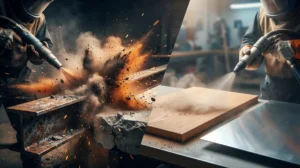
Soda blasting uses sodium bicarbonate (Mohs hardness about 2.5) that breaks apart on impact, lifting paint, grease, and soot while leaving delicate substrates like fiberglass and thin metal largely intact.
-
Soda blasting won't remove deep rust or thick mill scale, and it doesn't etch an anchor profile, so coatings that need profiling may require a separate step or a different abrasive.
-
Soda residue is mildly alkaline, so rinse and fully dry the surface before painting, and protect bare steel quickly to prevent flash rust in humid Florida air.
-
Soda blasting is not dust-free: old paint may contain lead and masonry may contain crystalline silica, so containment, protective gear, and proper disposal are essential.
-
Always run a test patch on a small area first to see how the surface and coating respond before committing to the full job.
-
Soda blasting is a single-use media process, so it isn't normally reclaimed in field work, and wind and nearby plants must be considered when setting up outdoors.
Have you ever looked at a boat hull, a smoke-stained wall, or a classic car panel and wondered how on earth you could clean it without wrecking it? You’re not alone. Many Florida owners hit this exact wall. Harsh methods can chew up the surface. Gentle methods sometimes do nothing at all.
That’s where soda blasting comes in. It’s a mobile cleaning and coating-removal method that uses baking-soda-based media pushed by compressed air. It’s famous for being kind to delicate surfaces. But it’s not magic, and it’s not right for every job.
In this guide, we’ll walk you through how soda blasting works, where it shines, where it falls short, and how to decide if it fits your project. We’ll keep it simple and honest, because the right method saves you time and money. At Blastworx, we match the blast to your surface, not the other way around, and we come to you with a fully mobile and self-contained rig.
What Is Soda Blasting and How Does It Work?
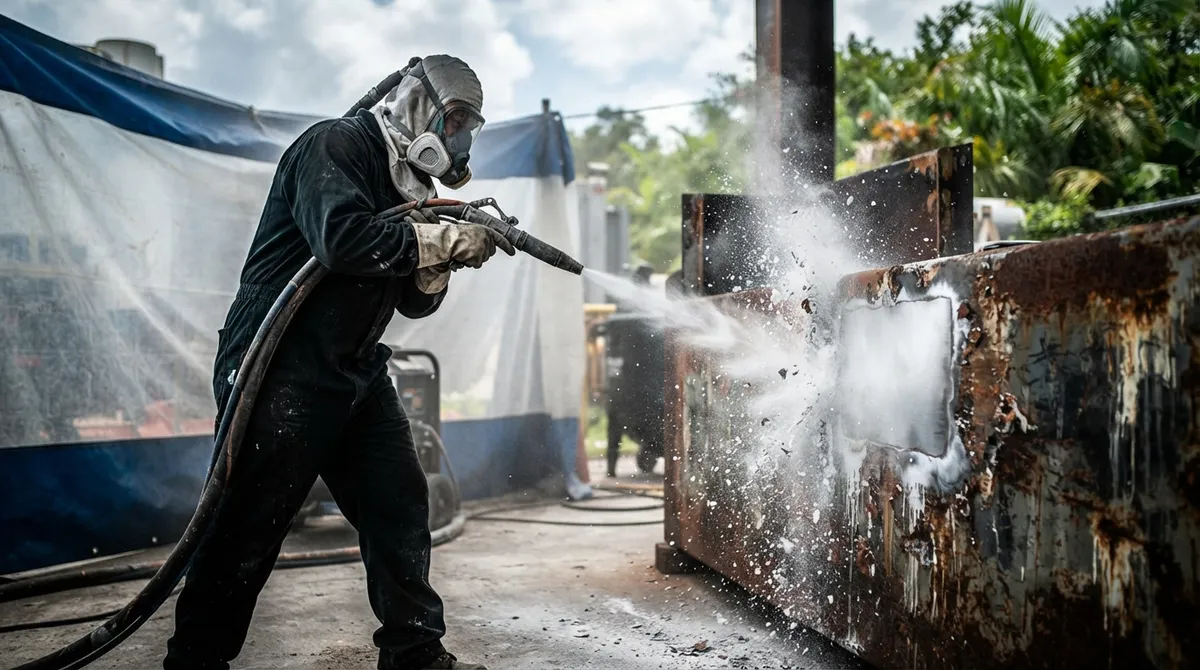
Soda blasting is a form of abrasive blasting. It propels fine particles at a surface with compressed air, just like other blasting methods. The difference is the media. Instead of sand or steel grit, soda blasting uses sodium bicarbonate (NaHCO₃), a soft, water-soluble crystal.
Here’s why that matters. Sodium bicarbonate has a Mohs hardness of about 2.5. That’s soft. When the particles hit a surface, they break apart on impact. This releases energy that lifts away paint, grease, soot, and other buildup. The softer base material underneath takes much less of a beating.
With a mobile service, the equipment comes to your site. You don’t have to haul a boat, a motorcycle frame, or a piece of machinery to a fixed shop. We set up in your driveway, at your dock, or on your job site, and we work right there.
Where Soda Blasting Works Best
Soda blasting is a favorite for jobs where the surface matters as much as the coating. It’s often chosen for delicate substrates, where you want the junk gone but the material left intact. Here are some common uses:
- Boats and fiberglass: Soft media helps protect gelcoat and fiberglass while lifting old paint and grime.
- Vehicles and body panels: Thin metal and aluminum can be cleaned with less risk of warping or heavy damage.
- Fire and smoke cleanup: Soot and smoke residue can be lifted from many surfaces.
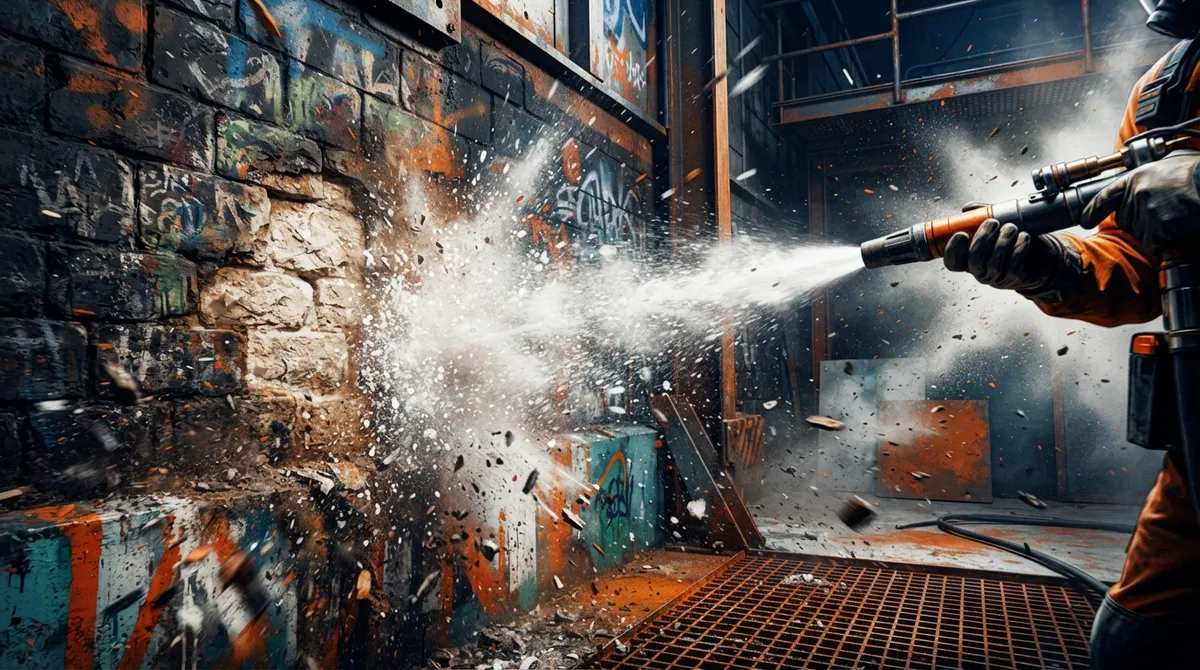
- Graffiti removal: Works on some surfaces where a gentle touch is needed.
- Grease and oily contaminants: Equipment, machinery, and engine parts often respond well.
- Selected masonry and restoration work: Useful when preserving the original material is the goal.
Curious how soda stacks up for specific projects? Our guide on why soda blasting is Tampa’s gentlest cleaning fix goes deeper on the gentle side of the story.
Where Soda Blasting Falls Short
Here’s the honest part. Soda is gentle, which means it is not a heavy hitter. Knowing its limits upfront will save you frustration.
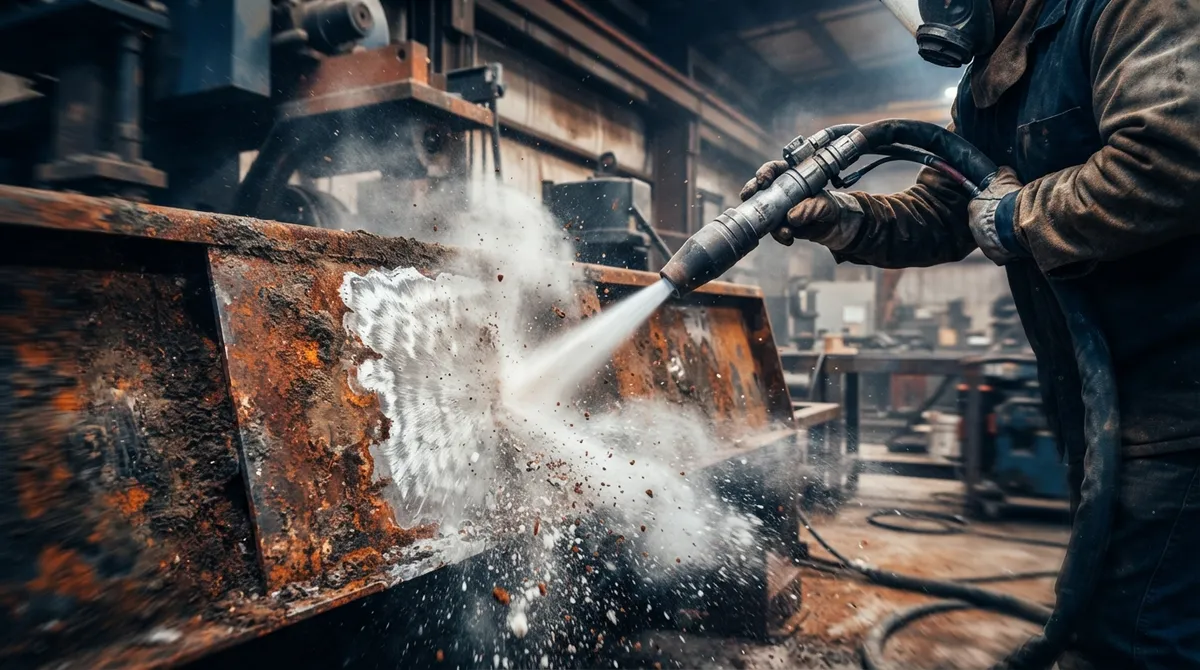
- Deep rust and mill scale: Soda generally won’t remove heavy rust or thick mill scale. You’ll need a stronger abrasive.
- Tough industrial coatings: Some strongly bonded coatings are simply too stubborn for soda.
- No anchor profile: Soda doesn’t etch the surface. Many protective coating systems need that tiny texture to grip. Without it, a separate profiling step may be required.
- Single-use media: Soda breaks apart on impact, so it isn’t normally reclaimed and reused in field work.
Think of soda as a fine-tipped brush, not a sledgehammer. For tough steel prep, you may be better served by a different approach, and we cover those options in 5 soda blasting alternatives worth trying in 2026.
Soda Blasting vs. Other Blasting Methods
The best method depends on your surface, your coating, and your finish goal. This quick comparison shows where each approach tends to land.
| Factor | Soda Blasting | Sand or Abrasive Blasting | Dustless (Wet) Blasting |
|---|---|---|---|
| Aggressiveness | Mild | Strong | Adjustable |
| Best for | Delicate surfaces, light coatings, grease, soot | Heavy rust, thick coatings, profiling | Indoor work, active sites, dust-sensitive areas |
| Creates anchor profile? | No | Yes, depending on media | Depends on media used |
| Media reuse | Single-use | Varies by media | Varies by media |
| Surface risk | Lower on soft substrates | Higher if media isn’t matched | Lower dust, still media-dependent |
Want a deeper side-by-side? Read how to choose between soda blasting vs sandblasting. You can also explore our overview of 6 types of sandblasting every Florida owner should know.
How to Decide if Soda Blasting Is Right for Your Job
Not sure which way to go? Walk through these steps. They’ll help you make a smart choice before anyone fires up a rig.
- Identify your surface. Is it fiberglass, thin sheet metal, aluminum, wood, brick, or heavy steel? Softer, more delicate materials often suit soda.
- Identify what you’re removing. Light paint, grease, soot, and graffiti are good soda candidates. Deep rust and thick industrial coatings usually aren’t.
- Think about your finish. If you’re painting or coating next, ask whether the coating needs an anchor profile. Check the manufacturer’s surface-prep requirements.
- Run a test patch. A small test area shows how the surface and coating respond before the full job begins.
- Look at the site. Think about wind, nearby people, plants, pools, vehicles, and windows. These affect how we set up.
- Get a professional opinion. Send photos or have someone come look. A good walkthrough prevents costly surprises.
This is exactly how we start every project. Send us photos or we come look, and we figure out the right media for the surface. Need help choosing? Get a free estimate and we’ll point you in the right direction.
What Happens After Soda Blasting
Many people assume the job ends when the blasting stops. With soda, there’s an important follow-up step.
Rinse and dry the surface
Soda residue is mildly alkaline. If you plan to paint or coat, the surface usually needs a thorough rinse and full drying first. Follow the coating maker’s surface-prep instructions. Skipping this can hurt how well the next coat sticks.
Watch for flash rust on steel
Bare steel can start to rust quickly after wet cleaning, especially in Florida’s humid air. Plan to prime or protect it soon after prep. That’s one reason timing matters on steel projects.
Think about the next step
A coating is only as good as the surface underneath it. If the final system needs an anchor profile, soda alone won’t deliver it. A different abrasive or a separate profiling step may be needed. Our walkthrough helps you plan this before the work begins, so the surface comes out ready for the next step.
Is Soda Blasting Safe? What to Know About Dust and Hazards
Soda blasting is gentler on surfaces, but it isn’t dust-free or automatically harmless. Blasting can create airborne dust and noise, no matter the media.
Here’s a key point many people miss. The bigger hazard often comes from what’s being removed, not the soda itself. Old paint can contain lead. Masonry dust may contain crystalline silica. OSHA’s silica standard, for example, sets a permissible exposure limit of 50 micrograms per cubic meter as an 8-hour average, and an action level of 25. Those limits matter when silica-containing materials are involved.
Safe mobile work means taking a few smart steps:
- Assessing the hazards of the coating and the surface before starting
- Using proper protective gear and respiratory protection
- Containing the work area and protecting nearby people and property
- Handling and disposing of spent media and removed material the right way
We contain the mess and protect the surrounding area on every job, and we’re fully insured. To see how pros manage this, check out how pros handle sandblasting dust control safely and our list of 5 safe blasting procedures every mobile crew follows.
Special Considerations for Mobile Soda Blasting in Florida
Working outdoors in Florida adds a few wrinkles. Wind can carry fine media where you don’t want it. Sodium bicarbonate can also affect nearby vegetation, so landscaping needs protection. Runoff, spent media, and removed paint all need proper collection, and local environmental and disposal rules apply.
That’s why a site check matters. Before we blast, we look at access, wind, nearby plants and property, and containment needs. Our rig is fully mobile and self-contained, so we don’t need your power or water. We work wherever the project is, from the bay area to the rest of the central Florida corridor. You can see the places we cover on our service areas page.
Matching the Method to Your Project
Different projects call for different tools. Here’s how soda often fits into the services we offer:
- Boats and marine: Soda is a great choice for fiberglass and gelcoat. Learn more about our marine blasting work.
- Cars and motorcycles: Thin panels benefit from cooler, gentler media. See our automotive blasting services.
- Machinery and steel: Soda can clean grease and light coatings, while heavier jobs need stronger media. Explore our industrial blasting options.
- Homes and yards: Wood, trim, and delicate finishes often respond well to soft media. Visit our residential blasting page.
Please note that we do strip and prep only on most jobs. Refinishing is handled by you or your painter, which keeps each trade doing what it does best. And one more helpful tip: we don’t blast vinyl fencing because it’s too delicate.
How We Work: A Simple Four-Step Process
You talk to the people doing the work, and the process stays clear from start to finish.
- Walkthrough. Send photos or we come look, and we figure out the right media for the surface.
- Free estimate. You get a clear, written estimate the same day. The price we give is the price you pay.
- Blast and strip. We protect the surrounding area, then blast the surface clean at your location.
- Ready to finish. The surface comes out clean and ready for the next step.
Want to see what finished work looks like? Browse our project gallery. And if you’d like to hear from real customers, visit us on Google and see what our customers are saying about us.
Ready to Find Out If Soda Blasting Is Right for You?
Soda blasting is a wonderful tool when you need a gentle touch. It protects delicate surfaces, lifts light coatings and grime, and comes right to your driveway, dock, or job site. It’s just not the answer to every problem, and that’s okay. The best result always comes from the right media for the job.
If you’re unsure which method fits, we’re happy to help you sort it out. Send us a few photos and let’s talk it through. Ready to get started? Get a free estimate today, or give us a call at 813-380-8092. You can text, too. We come to you, and we’ll bring your surface back to clean, sound material, ready for what comes next.
FAQs
Q: What is soda blasting, and how does it work?
A: Soda blasting uses sodium bicarbonate media pushed by compressed air to lift paint, grease, soot, and buildup. The soft media breaks apart on impact, which makes it gentler on many delicate surfaces. A mobile crew brings the equipment right to your site.
Q: Can soda blasting remove rust?
A: Not usually, at least not deep rust. Soda is a mild abrasive, so heavy rust and thick mill scale generally need a stronger media. We’ll match the blast to your surface so you get the right result.
Q: Do I need to do anything before painting after soda blasting?
A: Yes. Soda residue is mildly alkaline, so the surface should be thoroughly rinsed and fully dried before painting. Soda also doesn’t leave an anchor profile, so check your coating’s prep requirements. Bare steel should be protected quickly to avoid flash rust.
Q: Is soda blasting dust-free?
A: No, it isn’t dust-free. Blasting can create airborne dust and noise, and hazards can also come from old coatings like lead paint. That’s why containment, protective gear, and proper cleanup matter on every job.
Q: Does Blastworx apply paint or coatings after blasting?
A: On most jobs, we strip and prep only, and you or your painter handle the refinishing. Some industrial and limited automotive projects may include coating options, so just ask during your free estimate.