Key Takeaways
-
Sandblasting is more accurately called abrasive blasting, and modern pros rarely use silica sand because it creates lung-harming dust; they choose safer media matched to each surface.
-
Mobile blasting brings a self-contained rig to your location, so heavy or fixed items like dock hardware, steel, and fences don't need to be moved or hooked up to power or water.
-
Match the media to the surface: soda or walnut shell for fiberglass and wood, garnet for general rust and paint, and steel grit for heavy rust on structural steel.
-
Dustless (wet) blasting cuts airborne dust substantially compared to dry blasting, but it produces slurry that must be collected and handled properly.
-
Surface prep determines coating success, so blasting to clean, sound material before painting or coating helps the finish bond properly, though it doesn't guarantee coating lifespan.
-
When comparing quotes, ask what media will be used, how dust and waste are contained, whether the price is fixed, whether the company is insured, and whether coating is included.
If you have ever stared at a rusty railing, a peeling boat hull, or a stained patio and wondered how to get it clean, you are not alone. Most folks have heard of sandblasting, but few know what the job really looks like. The good news is that it is simpler than it sounds, and the right crew can save you a lot of time and sweat.
Professional sandblasting services use compressed air, water, or another force to push abrasive media at a surface. That strips off rust, paint, scale, and buildup. It also creates a clean, even finish so the next coating can grip. At Blastworx, we come to you, which means the work happens at your driveway, dock, shop, or job site.
In this guide, we will walk through how mobile blasting works, which media fits which surface, what safety steps matter, and how to get a fair quote. Let’s dig in.
What Are Sandblasting Services, Really?
“Sandblasting” is the name most people use, but the proper term is abrasive blasting. If you want the textbook version, here is a quick overview of what is sandblasting and how the process developed over time.
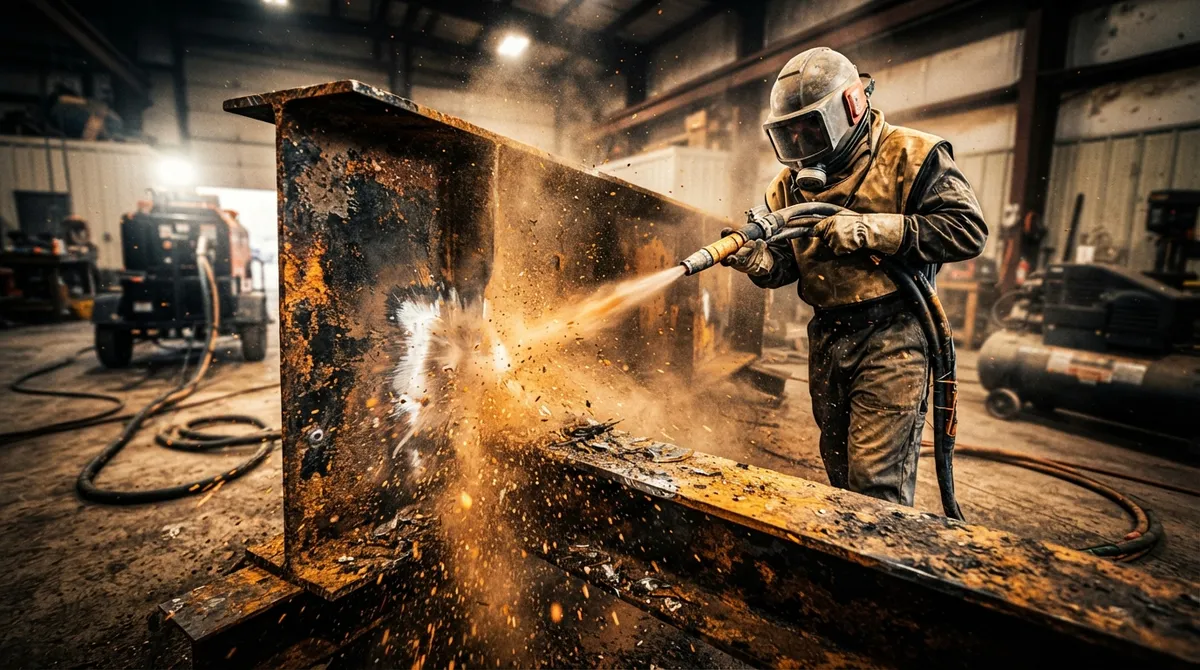
In plain terms, a blaster shoots small particles at a surface at high speed. The particles knock off whatever should not be there. Rust, old paint, graffiti, mill scale, and grime all come off. What is left is clean, sound material.
Here is the part that surprises people. Modern sandblasting services rarely use actual sand. Silica sand can create dust that harms the lungs, so many pros pick safer media. That is why we say, the right media for the job.
Why Mobile Matters
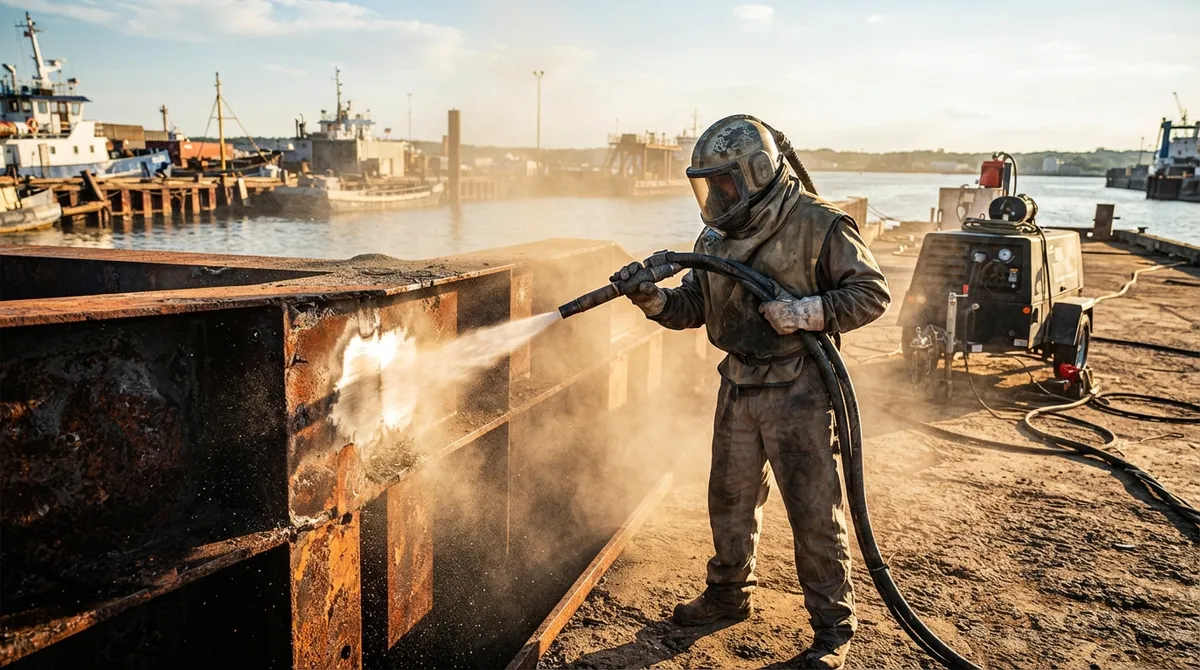
Mobile blasting means the equipment rolls to your location. You do not have to haul a boat, a gate, or a trailer across town. Our rig is fully mobile and self-contained, so we do not need your power or water.
That is a big deal for items that are heavy, fixed in place, or awkward to move. Think dock hardware, structural steel, pool decks, and fences. If you want a deeper comparison, see Mobile vs. Shop Sandblasting: Which One Wins?
Which Surfaces Can Sandblasting Services Handle?
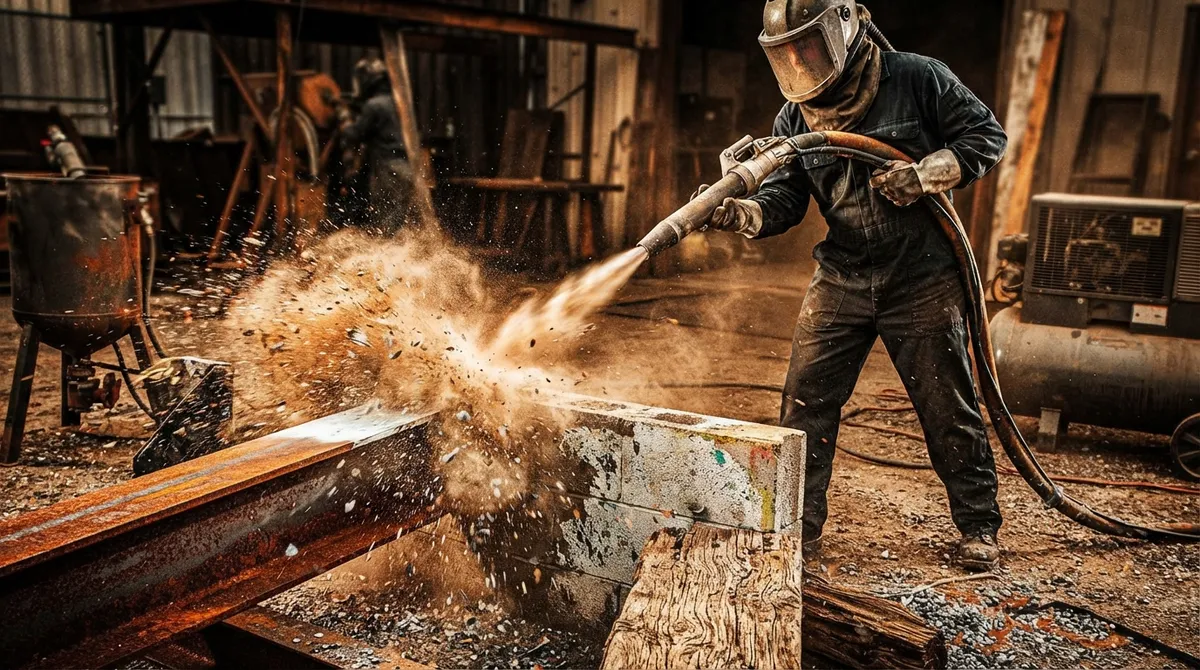
Almost any hard surface can be blasted when the media is chosen well. We match the blast to your surface, not the other way around. Here are the main areas we work in:
- Marine: boat hulls, jet skis, trailers, props, cleats, rails, docks, and davits.
- Automotive: frames, body panels, wheels, rims, suspension parts, and undercarriages.
- Industrial: structural steel, tanks, heavy equipment, and weld prep.
- Commercial: concrete, sidewalks, graffiti, storefronts, dumpsters, and fleet vehicles.
- Residential: fences, railings, gates, pool decks, pavers, and outdoor furniture.
Each category has its own needs. A fiberglass hull needs a gentle touch. A steel frame can take a lot more punch. Knowing the difference is what separates a clean result from a damaged one.
How Do You Choose the Right Blasting Media?
Media is just the material we shoot at the surface. Hard, sharp media cuts fast and leaves a rough profile. Soft media cleans gently and protects what is underneath. Picking the wrong one can pit metal, etch glass, or gouge wood.
Here is a simple comparison to help you see how it works:
| Media Type | Best For | Strength | Notes |
|---|---|---|---|
| Soda | Fiberglass, gelcoat, delicate parts | Gentle | Cleans without scratching or warping |
| Walnut shell | Hulls, wood, softer surfaces | Light to medium | Good for protecting the base material |
| Glass bead | Light cleaning, smooth finish | Medium | Leaves a brighter, even surface |
| Garnet | General paint and rust removal | Medium to strong | A common silica-free choice |
| Steel grit or shot | Heavy rust, structural steel | Strong | Creates a profile for coatings to grip |
Want to learn more about a few of these? Our posts on glass bead blasting and aluminum oxide versus sand go deeper.
Dry, Wet, or Dustless: What Is the Difference?
These three terms come up a lot, so let’s clear them up.
- Dry blasting: Media is pushed by air only. It is fast and effective, but it makes more dust.
- Wet blasting: Water is added to the stream. OSHA guidance notes that wet methods produce substantially lower dust than dry blasting.
- Dustless blasting: A form of wet blasting that helps hold dust down. It works well near people, pools, and active job sites.
There is a tradeoff. Wet work creates slurry, and that slurry has to be collected and handled the right way. A good crew plans for that before the first pass. We break it down further in Wet Sandblasting vs Dry: Which One Fits Your Job? and What Makes Dustless Blasting In Tampa So Effective?
What About Safety and Dust Control?
This is where a lot of DIY jobs go wrong. OSHA lists respirable dust, toxic metals, and noise as key hazards in abrasive blasting. Old paint can also hold lead, and some media can contain silica. None of that is something you want drifting across your yard.
Good safety planning usually includes these steps:
- Assess the surface and old coatings before work begins.
- Swap risky media for safer options when possible.
- Set up containment to keep dust and debris in the work zone.
- Use proper respiratory and hearing protection.
- Clean up spent media and removed coatings the right way.
At Blastworx, we contain the mess and we protect the surrounding area. We are also fully insured, so you are not left guessing if something goes sideways. For a closer look at our habits on site, read 5 Safe Blasting Procedures Every Mobile Crew Follows and How Do Pros Handle Sandblasting Dust Control Safely?
One more point worth knowing. The EPA reports particulate-emission control efficiencies from 50% to 93% for certain control approaches. That range shows why the setup matters. Results depend on the system and how well the crew runs it.
Why Does Surface Prep Matter So Much?
Here is the simple truth. A coating is only as good as the surface underneath it. Paint, powder coat, resurfacing, and antifouling all fail early when the prep is poor.
Hand sanding misses rust hiding in seams and corners. Blasting takes the whole surface back to clean, sound material at once. That means what goes on next bonds properly and holds up in Florida’s heat, humidity, and salt air.
Keep in mind that blasting is prep work. It does not guarantee how long a coating lasts. That also depends on the coating itself, how it is applied, and the weather. If you are weighing options, take a peek at Sandblasting vs. Hand Prep: When Does Blasting Win?
How Does a Mobile Blasting Job Work Step by Step?
People often ask what to expect. Our process is simple and clear:
- Walkthrough. Send us photos or we come look. We pick the right media for your surface.
- Free estimate. You get a clear, written estimate the same day. The price we give is the price you pay.
- Blast and strip. We protect the surrounding area, then blast the surface clean at your location.
- Ready to finish. The surface comes out clean and ready for the next step.
Before we arrive, you can make things smoother by clearing the area and moving loose items. Our guide 9 Steps to Prepare for Sandblasting the Right Way covers the details.
How Much Do Sandblasting Services Cost?
Price depends on the size of the job, the surface, the coating thickness, and how hard it is to reach. A small gate costs far less than a full hull or a long stretch of structural steel. Quotes can also vary because crews use different media, equipment, and containment plans.
When you compare estimates, ask a few smart questions:
- What media will you use, and why is it right for my surface?
- How will you contain dust and collect waste?
- Is the estimate written, and is it a fixed price?
- Are you insured?
- Do you handle coating, or is it strip and prep only?
For more on pricing, check out How Much Do Sandblasting Estimates Really Cost? and Why Do Sandblasting Service Quotes Nearby Vary So Much?
What Should You Watch Out For?
Not every surface likes blasting. Vinyl fencing is too delicate, so we do not blast it. Painted walls, glass, veneer, and cultured stone need an in-person look first. Wood needs soft media and low pressure to avoid damage.
Common mistakes include using media that is too harsh, skipping containment, and ignoring old lead-based coatings. Reading up before you book can save you money. A good place to start is 8 Abrasive Blasting Methods Mistakes That Cost You.
Where Do Sandblasting Services Work in Florida?
We are based in Tampa and serve Tampa Bay and the central Florida corridor. That includes Clearwater, Sarasota, Ocala, Orlando, and Fort Myers, plus nearby towns like Brandon, Riverview, Plant City, Lutz, and St. Pete. For the right job, we will travel anywhere in the state. You can see the full list on our service areas page.
Want to see the results first? Browse our project gallery for before-and-after shots. You can also visit us on Google and see what our customers are saying about us.
Ready to Get Started With Sandblasting Services?
Good sandblasting services should feel easy. You get a clear plan, the right media, a clean work area, and a surface that is ready for the next step. When you call us, you talk to the people doing the work, not a call center.
If you have a project in mind, get a free estimate and we will help you pick the best path. Prefer to talk it through? Give us a call or send a text. We are happy to help, even if you just have questions.
FAQs
Q: What are mobile sandblasting services?
A: Mobile sandblasting services bring the blasting equipment to your location to strip rust, paint, and buildup. You do not have to haul heavy or fixed items anywhere. We come to you with a fully mobile, self-contained rig.
Q: Is sandblasting safe for delicate surfaces like wood or fiberglass?
A: Yes, when the right media and pressure are used. We pick softer media like soda or walnut shell for delicate surfaces and save stronger abrasives for steel and concrete. The goal is to match the blast to your surface.
Q: What is the difference between dry and dustless blasting?
A: Dry blasting uses air alone and creates more dust. Dustless blasting adds water to hold dust down, which makes it a good fit near people, pools, and active job sites. It does make slurry, so cleanup needs a plan.
Q: Do you also apply paint or coatings after blasting?
A: It depends on the service. For marine, residential, and commercial work, we strip and prep only, and a painter or coating crew handles the finish. Some automotive and industrial jobs may include limited coating, so just ask us.
Q: How do I get a quote for sandblasting services?
A: Send us photos or ask for a walkthrough, and we will pick the right media for the job. You get a clear, written estimate the same day, and the price we give is the price you pay.