
Key Takeaways
-
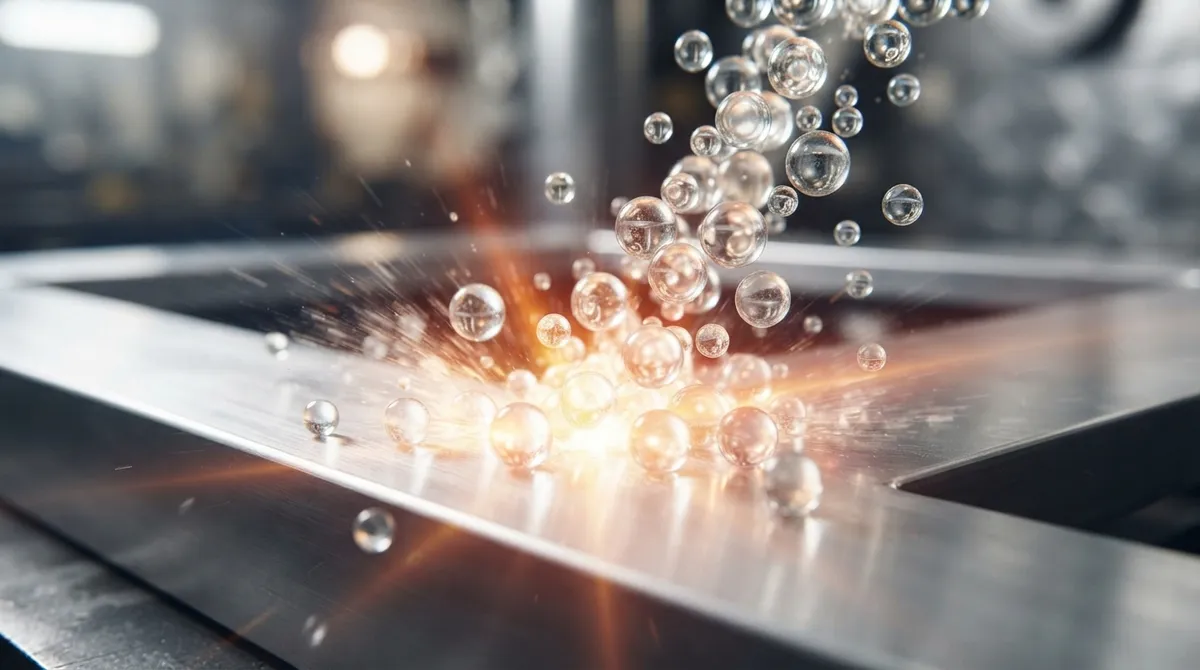
Glass beads are rounded, non-metallic spheres that clean surfaces without aggressive damage, making them ideal for aluminum and stainless steel where ferrous contamination or warping must be avoided.
-
Glass bead blasting produces a smooth, satin finish rather than a rough texture, making it the preferred choice for visible automotive parts, marine hardware, and decorative metalwork.
-
This method effectively removes light rust, surface oxidation, and thin paint layers, but heavier corrosion or thick industrial coatings require more aggressive media like aluminum oxide.
-
Glass beads don’t contain crystalline silica like sand, reducing silica hazard risks, though proper respiratory protection and containment are still essential as with all blasting methods.
-
Mobile glass bead blasting eliminates the need to transport parts off-site, offering on-location service that works in driveways, docks, and shops with minimal setup requirements.
-
Always conduct a pre-project walkthrough to assess the surface condition, coating type, and desired finish to determine if glass beads are suitable or if stronger abrasive media is needed.
If you’ve got metal parts, machinery, or fixtures that need a gentle but thorough cleaning, you’ve probably come across the term glass bead blasting. Maybe a friend mentioned it, or you saw it while researching how to clean rust off a boat rail without wrecking the finish. Either way, we’re glad you’re here, because this stuff is one of our favorite tools in the mobile blasting world. It’s gentle enough to protect delicate metal but strong enough to strip away grime, rust, and old coatings.
At Blastworx, we bring this technique straight to your driveway, dock, or job site anywhere in Tampa Bay and the central Florida corridor. We’re fully mobile and self-contained, so there’s no need to haul your parts anywhere. In this article, we’ll walk you through six important facts about glass bead blasting, how it compares to other methods, and how to know if it’s the right fit for your project. Let’s dig in together.
1. Glass Bead Blasting Uses Rounded Glass, Not Sand
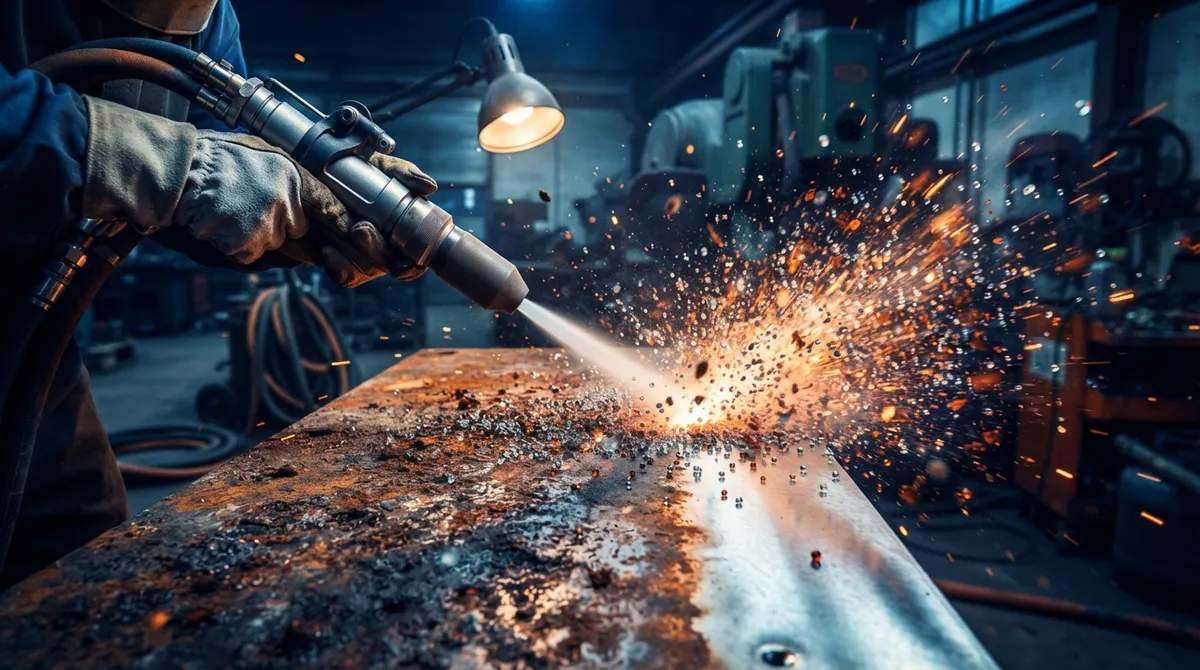
The name says it all. Glass bead blasting relies on tiny, round glass spheres, usually made from soda-lime glass, instead of angular sand or grit. These beads get shot at a surface using compressed air, much like other forms of what is sandblasting, but the shape of the media makes a big difference in the result.
Because the beads are round instead of sharp, they clean and polish a surface without digging in aggressively. Think of it like the difference between scrubbing a pan with a soft sponge versus steel wool. Both clean, but one is much gentler on the surface underneath.
- Glass beads are typically made from recycled or virgin soda-lime glass
- They have a Mohs hardness of about 5.5, which is moderate
- Particle sizes usually range from around 45 microns to 850 microns
- The rounded shape helps reduce surface damage compared to angular media
2. It Produces a Smooth, Satin Finish
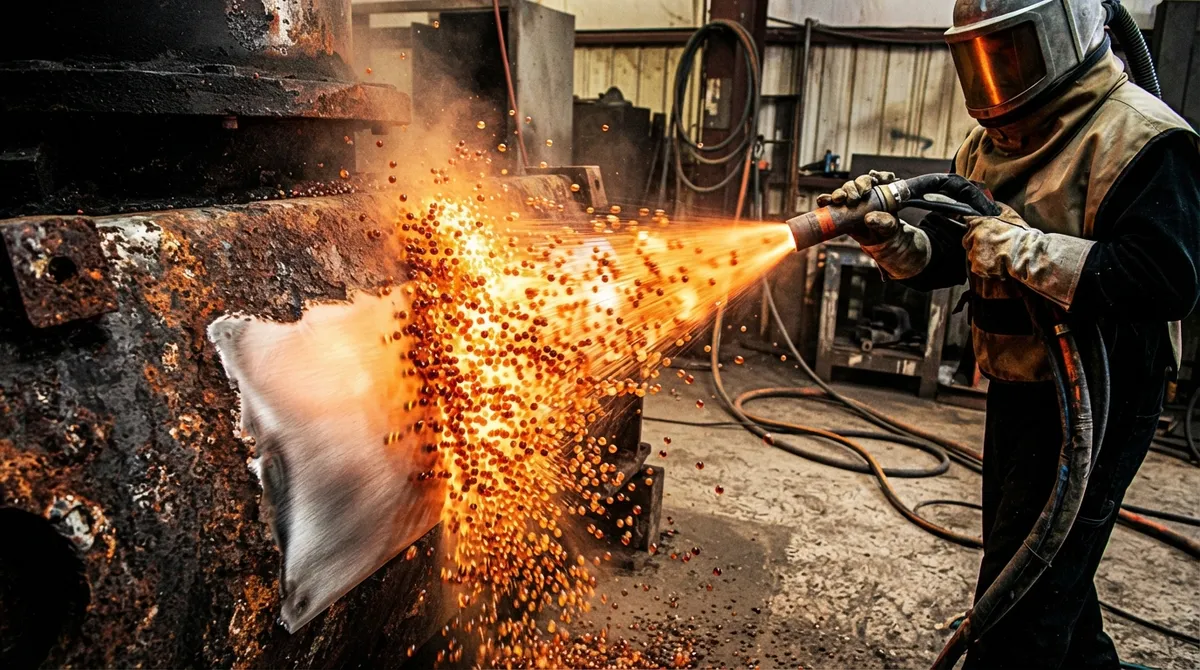
One of the biggest reasons people choose glass bead blasting is the finish it leaves behind. Unlike sand or crushed grit, which can leave a rougher, more textured surface, glass beads tend to create a smooth, satin, or matte look.
This makes it a favorite for jobs where appearance matters just as much as cleanliness. Think aluminum wheels, stainless trim, engine parts, or decorative metal that needs to look good, not just be clean.
Where This Finish Shines
- Automotive parts like wheels, brackets, and trim pieces
- Aluminum boat fittings and marine hardware
- Stainless steel railings and fixtures
- Machined parts that need to keep their dimensions
- Decorative ironwork where a uniform look matters
We match the blast to your surface, not the other way around, which means we’ll often reach for glass beads when the goal is a clean, attractive finish rather than heavy material removal. If you’re curious how this compares to other approaches, our article on media blasting vs sandblasting breaks it down further.
3. It’s Gentle Enough for Aluminum and Stainless Steel
Some metals just don’t do well with harsh treatment. Aluminum can warp or pit if you use the wrong abrasive. Stainless steel can pick up rust-causing contamination if it comes into contact with steel grit or leftover ferrous particles.
Glass beads help avoid both problems. Because the beads are non-metallic, they don’t leave behind iron particles that could cause rust spots later. And because they’re rounder and less aggressive, they’re less likely to warp thin aluminum panels or fittings.
| Metal Type | Why Glass Beads Work Well |
|---|---|
| Aluminum | Low risk of warping, preserves dimensions |
| Stainless Steel | No ferrous contamination, keeps surface clean |
| Cast Metals | Removes light corrosion without pitting |
| Machined Parts | Maintains tolerances and precise dimensions |
This is exactly why glass bead blasting comes up so often in automotive and marine work. Whether it’s a classic car frame or a set of boat cleats, the goal is clean metal without damage.
4. It Removes Light Rust, Paint, and Buildup, But Has Limits
Glass beads are great at knocking off light rust, surface oxidation, carbon buildup, and thin coatings. However, they’re generally not the strongest choice for heavy corrosion or thick, stubborn coatings. For those tougher jobs, we often reach for coarser media like aluminum oxide or crushed glass instead.
Here’s a simple way to think about it:
- Light surface rust: glass beads work well
- Thin paint layers: glass beads can handle it
- Carbon deposits on engine parts: glass beads are a solid pick
- Heavy rust or scale on structural steel: stronger media is usually better
- Thick industrial coatings: a more aggressive abrasive may be needed
This is part of why we always do a walkthrough before starting any job. We look at the surface, the coating, and what you want the end result to be. Then we pick the right media for the job. If you want to see this in action, check out our thoughts on how metal surface preparation blasting really works.
5. Safety Still Matters, Even With Gentler Media
Here’s something folks sometimes get wrong. Because glass beads are made from amorphous glass, they don’t carry the same crystalline silica hazard as traditional sand blasting. That’s a real plus. But it doesn’t mean the job is risk-free.
Blasting of any kind kicks up dust from the media itself, plus whatever is being removed from the surface, like old paint, rust, or grime. According to the Occupational Safety and Health Administration, abrasive blasting can expose workers to airborne dust, loud noise, and rebounding particles, so proper controls still matter. Learn more from OSHA’s guidance on abrasive blasting materials.
Safety Steps We Always Follow
- Evaluate the surface and coating before starting
- Set up containment to protect the surrounding area
- Use proper respiratory, eye, and hearing protection
- Run a small test area before full production blasting
- Collect and manage spent media responsibly
We contain the mess and protect the surrounding area on every job, whether it’s a home in Tampa or a shop in Ocala. Safety isn’t optional, even with a gentler abrasive like glass beads.
6. Mobile Glass Bead Blasting Works Almost Anywhere
One of the best parts about glass bead blasting is how well it fits into mobile work. Because it’s a controlled, lower-impact method, it’s often a great choice for job sites where you need precision without a ton of mess.
We bring our fully mobile, self-contained rig directly to you. That means no need to load up heavy parts and haul them across town. We come to you, whether that’s a driveway in Brandon, a marina in Clearwater, or a shop floor in Orlando.
Here’s what makes mobile glass bead blasting practical for so many situations:
- No need for the customer to provide power or water
- Works well for small parts and delicate finishes on location
- Ideal for jobs where transporting parts isn’t practical
- Can be paired with dustless blasting for indoor or sensitive areas
- Great for touch-up work between larger projects
We’ve used this approach across industrial, commercial, and residential jobs throughout our service area. Whether it’s a small batch of hardware or a full set of railings, we bring the right setup to get it done on-site.
Comparing Glass Bead Blasting to Other Common Media
It helps to see how glass beads stack up against other popular options. Here’s a simple comparison to keep in mind.
| Media Type | Aggressiveness | Best For | Finish |
|---|---|---|---|
| Glass Beads | Low to moderate | Aluminum, stainless, light rust | Smooth, satin |
| Soda | Very low | Fiberglass, gelcoat, wood | Clean, no profile |
| Sand | High | Heavy rust, thick coatings | Rough, textured |
| Crushed Glass | Moderate to high | Structural steel, concrete | Textured |
If you’re still not sure which media fits your project, our team is happy to walk you through it. We’ve covered similar decisions in our guide on choosing between soda blasting vs sandblasting, which shares a lot of the same thinking that applies here.
What to Expect From Our Process
We like to keep things simple and honest. Here’s how a typical glass bead blasting project with us usually goes.
- We take a look, either in person or through photos you send us
- We give you a clear, written estimate the same day
- We set up containment and protect the surrounding area
- We blast the surface clean using the right media for the job
- You’re left with a surface that’s ready for the next step, whether that’s priming, coating, or simply putting the part back to work
Because we’re fully insured and owner-operated, you always talk to the people actually doing the work. No middlemen, no confusion, just straightforward communication from start to finish.
Why Local Experience Matters in Florida
Florida’s humidity, salt air, and heat create unique challenges for metal surfaces. Rust and corrosion move fast here, especially near the coast. That’s part of why so many boat owners, mechanics, and homeowners in Tampa Bay lean on mobile blasting instead of trying to handle rust removal themselves.
We’ve worked on everything from marine hardware in Clearwater to automotive frames in Plant City. Every job teaches us a little more about how local conditions affect metal, and we bring that experience to each new project.
Curious what our past customers think? You can visit us on Google and see what our customers are saying about us before booking your own project.
Ready to Get Started?
Glass bead blasting is a fantastic option when you want clean, polished results without damaging delicate metal. Whether it’s a set of aluminum wheels, stainless fittings, or machinery parts, this gentle-yet-effective method can give you a finish that’s ready to refinish or put right back into use.
If you’re in Tampa, Ocala, Orlando, Fort Myers, or anywhere in between, we’d love to help. Reach out today to get a free estimate, or simply give us a call to talk through your project. We come to you, we match the blast to your surface, and we always leave things ready for the next step.
FAQs
Q: What is glass bead blasting and how does it work?
A: Glass bead blasting uses tiny, rounded glass spheres shot at high speed with compressed air to clean and polish surfaces. Instead of digging into the metal like sharper media, the round shape gently removes rust, grime, and coatings while protecting the surface underneath. It’s one of our go-to methods when a client wants clean results without harsh damage.
Q: Is glass bead blasting safe for aluminum and stainless steel?
A: Yes, it’s actually one of the best options for these metals. Since glass beads don’t leave behind iron particles, they won’t cause rust spots on stainless steel later, and their gentler impact helps prevent warping on thinner aluminum parts. We use this method often for automotive and marine hardware for exactly this reason.
Q: Does glass bead blasting remove rust and old paint?
A: It sure does, especially light rust, surface oxidation, and thinner paint layers. For heavier corrosion or thick industrial coatings, we sometimes switch to a stronger media, but for everyday rust and grime, glass beads do a wonderful job.
Q: Is glass bead blasting safer than traditional sandblasting?
A: In terms of silica exposure, yes, glass beads don’t carry the same crystalline silica risk that sand does. That said, blasting still creates dust from removed coatings and the beads themselves, so proper safety gear and containment are still a must. We treat every job with the same careful safety standards, no matter the media.
Q: Can mobile blasting companies use glass beads on-site?
A: Absolutely, and it’s actually one of our favorite techniques for mobile work. We bring our fully self-contained rig right to your location, whether that’s a driveway, dock, or shop floor, so there’s no need to transport your parts anywhere. We’ll set up containment and protect the surrounding area before we even start blasting.





