Key Takeaways
-
Plain silica sand is a serious breathing hazard; NIOSH has recommended since 1974 that abrasives with more than 1% crystalline silica not be used for abrasive blasting, so pros choose safer media like soda, walnut shell, glass bead, or aluminum oxide.
-
Mobile blasting brings the equipment to your property, so structural steel, concrete, and masonry can be cleaned in place without hauling anything to a shop, reducing downtime for your business.
-
Choose blasting method by surface and site: dry blasting suits heavy rust and thick coatings, while wet or dustless blasting suits occupied sites or areas near equipment, though it brings runoff and drying time.
-
Specify steel cleanliness grades (SP 6, SP 10, or SP 5) in the project scope rather than vague terms like 'blast clean,' and confirm the required grade with your coating manufacturer or engineer.
-
Test older buildings for lead paint before blasting, since lead requires containment, exposure controls, and proper waste handling; OSHA's construction lead standard sets a limit of 50 micrograms per cubic meter as an 8-hour average.
-
Coordinate the coating schedule right after blasting, since bare steel in humid Florida air can develop flash rust quickly if the new coating is delayed.
If you manage or own a commercial property in Florida, you already know the sun, salt air, and humidity are tough on buildings. Paint peels. Steel rusts. Graffiti shows up overnight. At some point, a quick wash just will not cut it. That is where sandblasting commercial buildings comes in.
Here is the friendly truth: the word “sandblasting” gets used for a lot of different jobs. Today, most pros pick the right blasting media for the surface, and plain silica sand is often not it. Mobile blasting brings the equipment to your property, so there is no need to move anything to a shop.
In this guide, we will walk through what mobile blasting for commercial buildings really means, which surfaces it fits, how to pick a method, and how to plan for safety. Think of it as a chat with a neighbor who has seen a lot of storefronts, parking lots, and steel beams. Let us dig in.
What Does Sandblasting Commercial Buildings Actually Mean?
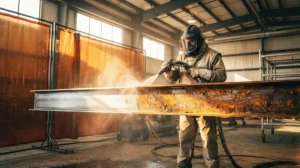
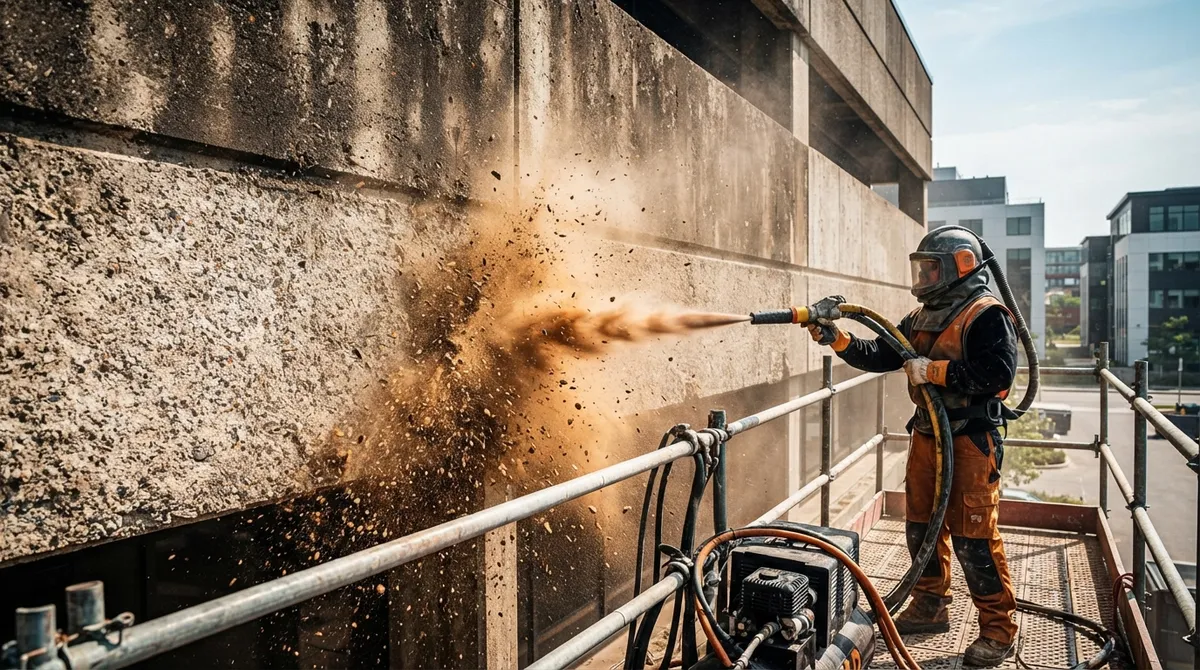
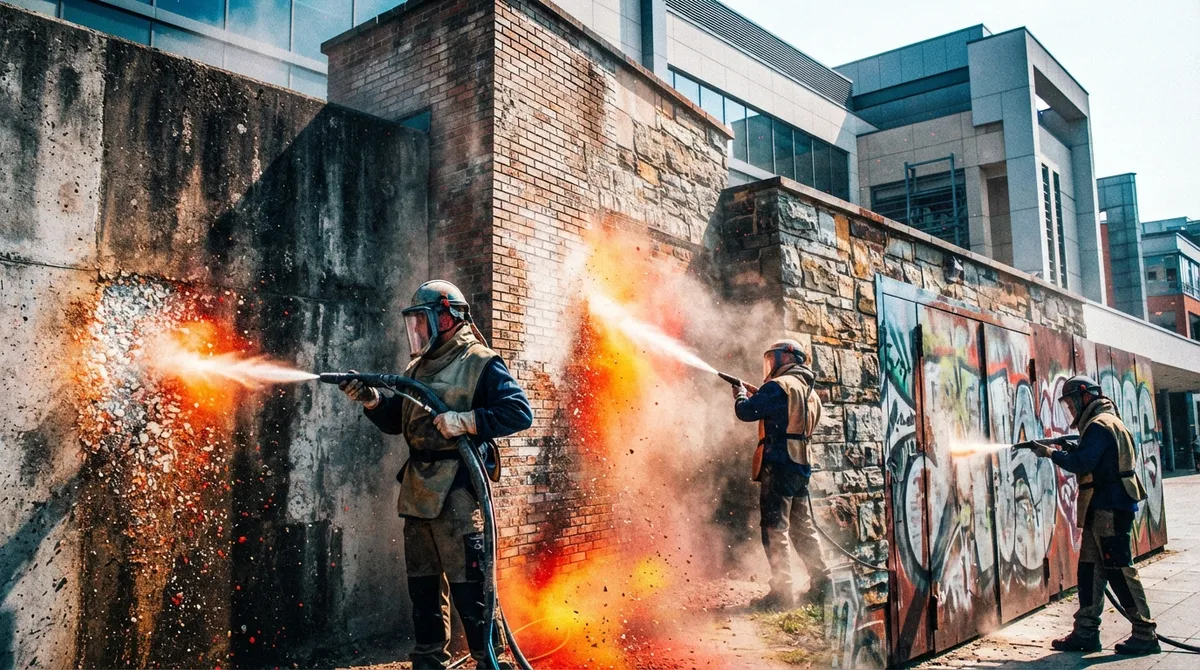
At its core, what is sandblasting comes down to propelling abrasive media at a surface to clean it or shape its texture. For commercial buildings, the goal is usually to remove failing paint, rust, graffiti, or buildup. Then the surface is ready for a new coating.
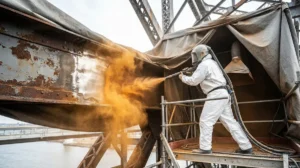
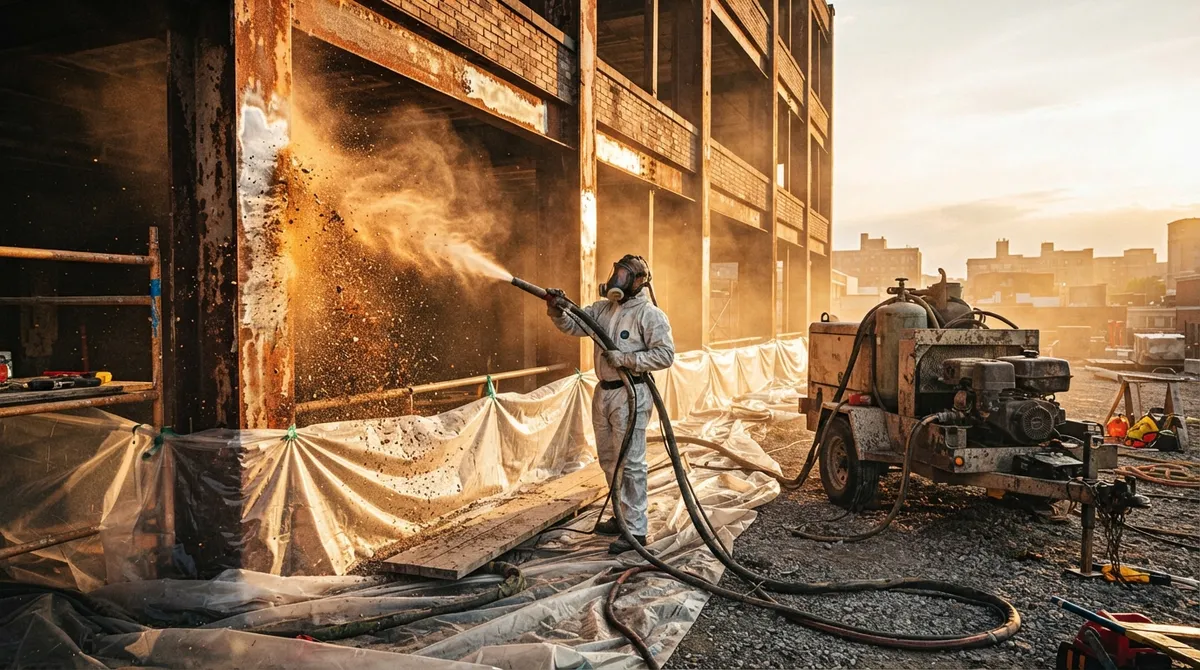
Mobile abrasive blasting means the crew and equipment come to your site. That works well for fixed or large surfaces like exterior walls, structural steel, concrete, and masonry. You do not have to haul a railing or a building to a shop, because you cannot.
A good blast does two jobs at once:
- It cleans. Old paint, rust, mill scale, dirt, and contaminants come off.
- It prepares. The surface gets a texture, often called a profile, that helps new coatings bond.
One quick note. Blasting is not right for every surface. Glass, some veneers, and cultured stone need an in-person look first. We always match the blast to your surface, not the other way around.
Which Commercial Surfaces Can Be Blasted?
Plenty of surfaces on a commercial property are good candidates. Here are the most common ones we see around Tampa Bay and central Florida:
- Concrete: sidewalks, parking areas, loading docks, and slabs
- Structural steel: beams, columns, canopies, and railings
- Masonry and brick: building exteriors and storefront walls
- Graffiti-hit walls: block, concrete, and some painted surfaces
- Dumpster enclosures, gates, and fences
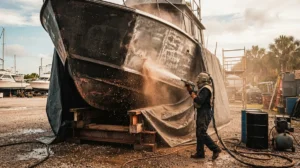
- Fleet vehicles, trailers, and equipment
For a closer look at how this plays out in real jobs, our commercial sandblasting services guide for Tampa Bay businesses breaks down typical projects. You can also see our commercial blasting services page for a full overview.
Dry, Wet, or Dustless: How to Choose a Method
This is where many owners get stuck. The good news is that the choice mostly comes down to your surface, your site, and what is going on next to it.
The main options are dry abrasive blasting, wet abrasive blasting, and waterjetting. Wet methods can cut airborne dust compared with dry blasting. But they bring water into the picture, which means runoff, drying time, and flash-rust risk on steel.
| Method | Best For | Things to Plan For |
|---|---|---|
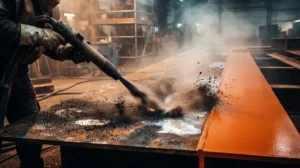
| Dry abrasive blasting | Heavy rust, thick coatings, structural steel | More dust, so containment matters |
| Wet or dustless blasting | Occupied sites, indoor work, areas near equipment | Water runoff and drying time |
| Soda blasting | Delicate surfaces, light coatings, grime | Not for heavy rust or thick coatings |
| Waterjetting | Certain coating removal and cleaning jobs | Water management and flash rust on steel |
Want to dig deeper? Our post on wet sandblasting vs dry compares the two side by side. And if you are curious about low-dust options, read what makes dustless blasting in Tampa so effective.
Picking the Right Media for the Job
Here is something that surprises people. Plain silica sand is a serious breathing hazard. OSHA notes that NIOSH has recommended since 1974 that silica sand, or any abrasive with more than 1% crystalline silica, not be used for abrasive blasting.
So when someone says “sandblasting,” what they usually mean is blasting with the right media for the job. That might be:
- Soda for gentle cleaning on softer or delicate surfaces
- Walnut shell or glass bead for light cleaning with less surface impact
- Aluminum oxide or steel grit for tougher rust and coating removal
- Wet or dustless blasting when dust control is the top concern
If you are weighing choices, media blasting vs sandblasting is a handy read.
Concrete and Masonry: Getting the Profile Right
Concrete is one of the most common commercial blasting jobs. Think parking areas, sidewalks, and loading zones. The big question is how rough the surface should be afterward.
AMPP’s concrete surface-preparation standard lists dry and wet abrasive blasting as methods that can produce concrete surface profiles in the CSP 3 to 7 range. The right class depends on the coating you plan to use and how the space will be used. Your coating manufacturer should tell you what profile they need.
The standard also points to other things worth checking before you coat, such as cleanliness, concrete strength, leftover contaminants, pH, and moisture. A surface can look clean and still fail if moisture is hiding underneath.
Worried about damage? Good question. We cover it in 11 facts on whether sandblasting damages concrete, and our concrete sandblasting in Tampa post shows how mobile prep is done right. For pavement areas, how to clean a concrete parking lot or sidewalk fast is a quick read.
Structural Steel: Know Your Cleanliness Grade
Steel is a different story. Here, the project documents should name the exact cleanliness level you need. A vague note like “blast clean” leaves too much room for confusion.
These are the grades you will see most often:
| Grade | Name | What It Means |
|---|---|---|
| SP 6 / NACE No. 3 | Commercial blast cleaning | Allows limited staining, up to 33% of each defined area unit |
| SP 10 / NACE No. 2 | Near-white metal | Allows staining on no more than 5% of each area unit |
| SP 5 / NACE No. 1 | White metal | The cleanest of the three |
Ask your coating manufacturer or engineer which grade to call out. Then write it into the scope. That one step can save you from a lot of back-and-forth later.
Steel work has its own wrinkles, especially in Florida’s salty air. Our post on 7 structural steel blasting facts Florida owners need goes deeper, and blasting vs. hand tools shows why blasting often wins for steel prep.
Safety First: Dust, Lead, and Noise
Let us talk about the part nobody loves, but everybody needs. Blasting can create hazardous dust and loud noise. OSHA points out that hazards come from both the abrasive and the material being removed. That includes crystalline silica and toxic metals like lead.
OSHA’s recommended approach leans on engineering controls first:
- Substitution: pick a safer abrasive
- Isolation and containment: keep dust inside the work zone
- Ventilation: move air safely where needed
- Safe cleanup, training, and proper respiratory protection
Older buildings need extra care. If a surface might have lead paint, stop and test first. OSHA’s construction lead standard (29 CFR 1926.62) sets a permissible exposure limit of 50 micrograms per cubic meter of air as an 8-hour average. Federal, state, and local rules can vary by building and project, so check them before any work starts. Waste disposal rules matter too.
We take this part seriously. We contain the mess, protect the surrounding area, and we are fully insured. For more detail, see how pros handle sandblasting dust control safely and 5 safe blasting procedures every mobile crew follows.
Planning the Job: A Simple Step-by-Step
A smooth project starts with a clear plan. Here is how we like to walk owners through it:
- Walkthrough. Send photos or have us come look. We figure out the right media for the surface.
- Free estimate. You get a clear, written estimate the same day. The price we give is the price you pay.
- Blast and strip. We protect the surrounding area, then blast the surface clean at your location.
- Ready to finish. The surface comes out clean and ready for the next step.
Before work begins, your scope should spell out a few things:
- How the work area will be contained
- How windows, landscaping, and neighbors will be protected
- Who handles permits and waste testing
- How spent abrasive and removed coating will be handled
- Which cleanliness grade or profile is required
- Weather, water, and coating schedule coordination
Need a checklist for what comes next? Read 9 steps to prepare for sandblasting the right way and 14 surface prep steps before commercial coating.
Protecting Occupants and Neighbors
Commercial buildings are rarely empty. There are tenants, customers, and neighboring businesses to think about. That is why planning matters as much as the blasting itself.
Good crews control access, set up containment, and shield nearby windows, vehicles, and plants. We can also work after hours or on weekends to cut down on disruption. Many owners pick dustless blasting when the building stays open or when equipment sits close by.
If you are sprucing up the whole property, you might pair blasting with other local help. For example, Wayne & Sons Landscaping & Junk Removal can handle landscape cleanup and debris hauling around the site. And after a long, dusty project day, your crew might enjoy a visit from Mobile Area Massage of Tampa Bay. It is a friendly little perk that goes a long way.
After the Blast: Getting Ready to Recoat
Blasting is only step one. A coating is only as good as the surface underneath it. Paint, resurfacing, and protective coatings do not last when the prep is poor.
Our job is removal and prep. Recoating is handled by your GC or coating crew. To keep things moving, coordinate timing so the new coating goes on soon after blasting. On bare steel in humid Florida air, waiting too long can invite flash rust.
Not sure why prep matters so much? Check out 7 reasons sandblasting before painting pays off and 10 sandblast painting prep steps that make paint last.
Why Owners Choose Mobile Blasting
There are a few big reasons businesses go mobile. We come to you, and our rig is fully mobile and self-contained, so we bring our own power and water. There is no hauling, no drop-off, and no waiting on a shop schedule.
Here is the quick list:
- Work happens on-site, right where the surface is
- Less downtime for your business
- Media matched to each surface
- Fewer surprises, thanks to a written estimate
- You talk to the people doing the work
Curious why local businesses are making the switch? Read why Tampa businesses choose mobile sandblasting. Want to know how prices work? See how much sandblasting estimates really cost. Our crew is based in Tampa and covers the central Florida corridor, so check our service areas to see if we reach you. You can also browse the gallery for real job photos, and Visit us on Google — see what our customers are saying about us.
Ready to Get Your Building Back to Clean, Sound Material?
Sandblasting commercial buildings does not have to be stressful. Pick the right media, name the right standard, plan for safety, and line up your coating schedule. Do that, and your next finish has a real shot at lasting in Florida’s heat, humidity, and salt air.
We are Blastworx, an owner-operated mobile blasting company serving Tampa Bay and central Florida. Whether it is storefront graffiti, rusty steel, or a tired parking area, we would love to help. Get a free estimate today, or give us a call at 813-380-8092. You can text too.
FAQs
Q: What is mobile sandblasting for commercial buildings?
A: It is on-site abrasive blasting that removes old paint, rust, graffiti, and buildup from building surfaces. We bring the equipment to you, so nothing has to be hauled to a shop. The result is a clean surface that is ready for the next step.
Q: Can sandblasting remove lead paint from a commercial building safely?
A: It can be done, but it takes extra care. Lead-painted surfaces call for testing, containment, exposure controls, and proper waste handling under federal, state, and local rules. Always check the requirements before work starts.
Q: How do contractors control dust during blasting?
A: Pros use containment, ventilation, and low-dust methods like wet or dustless blasting. They also protect nearby windows, landscaping, and occupants, and they clean up safely. The right plan depends on your building and the surface.
Q: How do I choose between dry blasting, wet blasting, and waterjetting?
A: Start with your surface, your site, and your coating plan. Dry blasting suits heavy rust and thick coatings, while wet or dustless blasting helps where dust is a concern. A walkthrough helps us match the blast to your surface.
Q: Does the building need to be repainted after blasting?
A: Usually, yes. Blasting strips the surface back to clean, sound material, so a new coating helps protect it. We handle removal and prep, and your GC or coating crew handles the recoating.