Key Takeaways
-
Get a site and surface assessment before blasting, since hidden lead paint, thin metal, glass, or nearby landscaping can turn a simple rust job into a costly repair.
-
Silica sand is a serious lung hazard; OSHA's silica limits are 50 µg/m³ (8-hour PEL) with a 25 µg/m³ action level, so choose safer media where possible.
-
Match the media to the material: soda or glass media suit delicate surfaces like fiberglass, walnut shell suits wood, and steel grit suits heavy rust and mill scale.
-
Use the lowest effective pressure on delicate surfaces, since thin panels can warp, wood can shred, and fiberglass can lose its gelcoat.
-
Schedule your painter or coating crew before blasting day, because Florida's heat, humidity, and salt air can cause flash rust on bare steel within hours.
-
Compare quotes by scope, not just price, confirming that containment, cleanup, waste disposal, and media choice are included in every written estimate.
Abrasive blasting sounds simple. Point a nozzle, blast the surface, and walk away with a clean finish. But anyone who has watched a job go wrong knows it is not that easy. The wrong media can scar a boat hull. Skipping a site check can spread old lead paint across a yard. Poor prep can ruin a brand-new coat of paint within months.
The good news? Most of these mistakes are easy to avoid once you know what to look for. Whether you are a homeowner with a rusty gate, a shop owner with a fleet of trailers, or a project manager with miles of structural steel, this guide is for you.
At Blastworx, we come to you. Our rig is fully mobile and self-contained, so we see the same mistakes show up again and again across Tampa Bay and central Florida. Below are 13 of them, along with simple ways to dodge each one. Think of this as a friendly heads-up from the folks who do this work every day.
What Abrasive Blasting Really Is
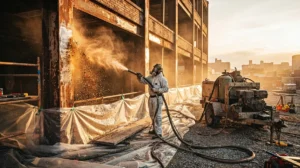
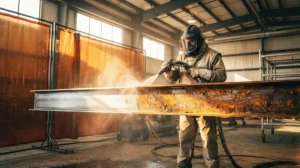
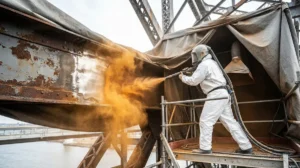
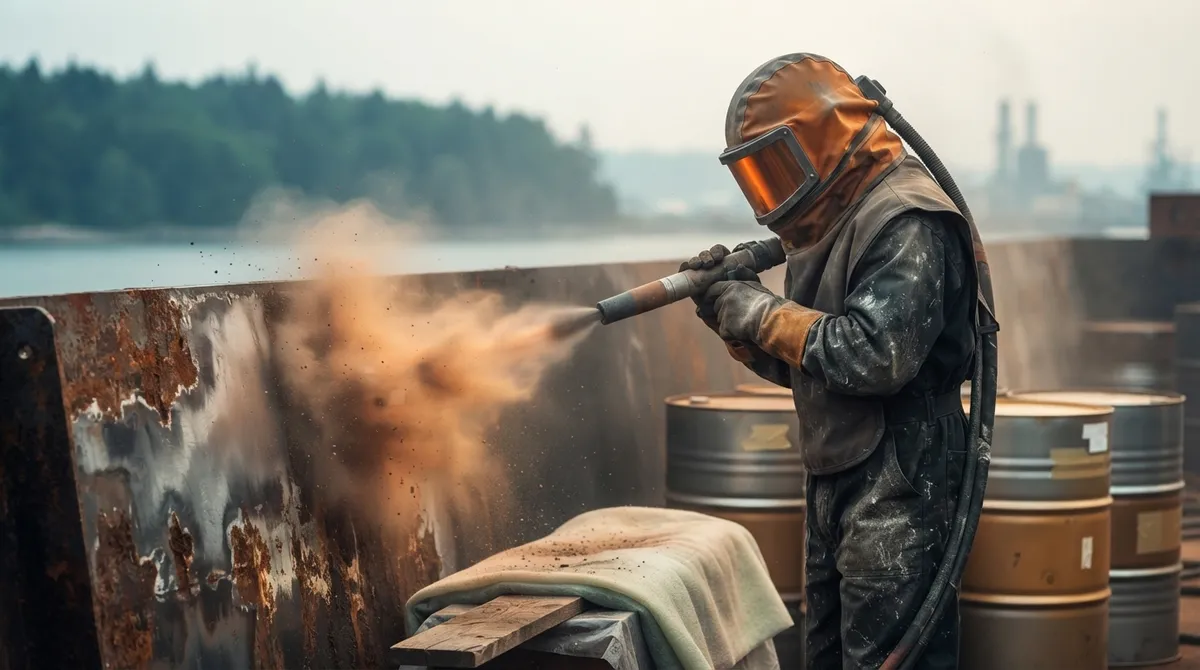
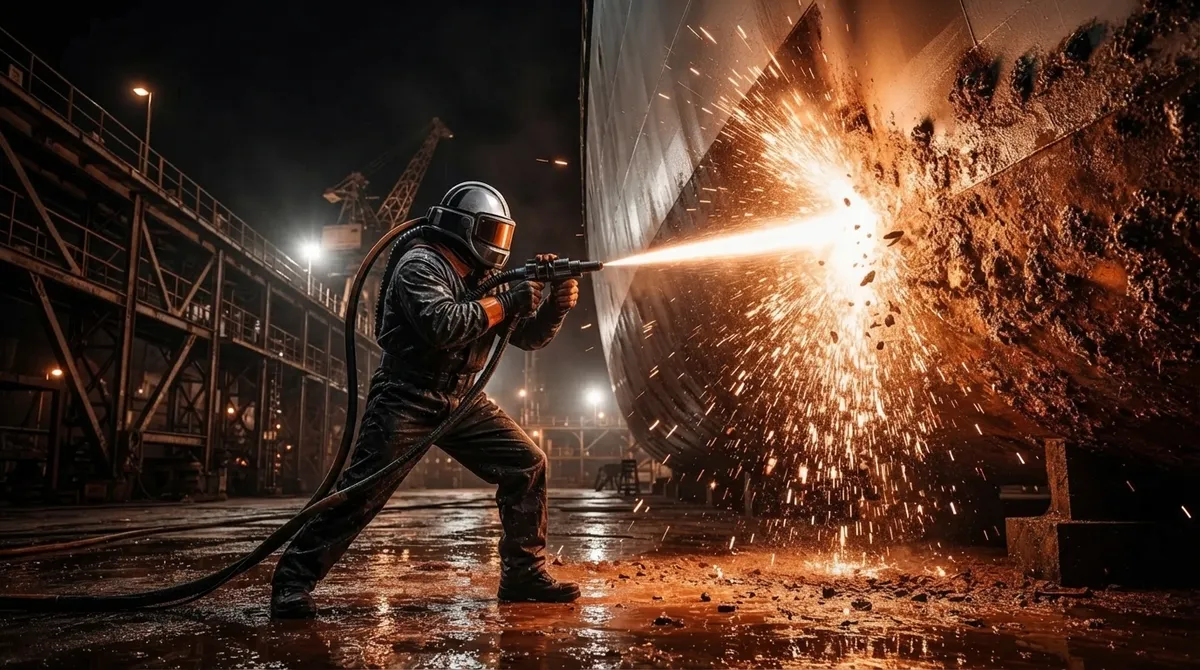
Abrasive blasting pushes a stream of media against a surface at high speed. That media can be moved by compressed air, water, or mechanical force. The goal is to remove rust, old paint, scale, graffiti, or buildup. It also creates a surface “profile,” which is a light texture that helps new coatings stick.
Many people call this sandblasting. The two terms overlap, but they are not identical. Sand is just one type of media, and today it is often not the best choice. You can read a general overview of what is sandblasting if you want the background. For a deeper look at the differences, see Media Blasting vs Sandblasting: Which Is Safer for You?
Mobile abrasive blasting adds one big perk. The equipment travels to the asset, so you do not have to haul a boat, a gate, or a steel beam to a shop. If you want to compare the two approaches, check out Mobile Rig vs. Drop-Off Shop: Which Blaster Wins?
Mistakes Before the Blasting Even Starts
Most expensive problems begin before anyone pulls a trigger. Planning is where the money is saved or lost.
1. Skipping the Site and Surface Assessment
Every job starts with a walkthrough. You need to know what the surface is, what coating is on it, and who or what is nearby. A quick look can reveal soft wood, thin sheet metal, glass, or landscaping that needs protection.
Skipping this step is how a simple rust job turns into a costly repair. We always start with photos or an on-site visit, then match the blast to your surface, not the other way around.
2. Ignoring Lead and Other Hazards in Old Paint
Older painted structures can hide lead or other toxic metals. OSHA warns that both the blasting media and the material being removed can contain hazardous substances. Blasting can also create heavy dust and noise.
If a building, fence, or piece of equipment is decades old, ask about hazards first. A good crew will identify coating and substrate risks before work begins. For more on how pros keep things safe, read How Do Pros Handle Sandblasting Dust Control Safely?
3. Treating Silica Sand Like a Harmless Choice
Silica sand is a serious breathing hazard. It creates respirable crystalline silica dust, which can harm the lungs over time. OSHA guidance recommends picking a safer, suitable abrasive wherever possible.
Here are the key OSHA numbers for silica in construction:
- Permissible exposure limit: 50 micrograms per cubic meter, averaged over 8 hours
- Action level: 25 micrograms per cubic meter, averaged over 8 hours
- Rule of thumb: Use feasible controls first, and use respirators to supplement them where required
Today, there are many safer media options. The right one depends on the job, which brings us to the next big mistake.
4. Picking Media Without Matching It to the Job
No single abrasive works for everything. Soft media protects delicate surfaces. Hard media cuts through thick rust. Using the wrong one either wastes time or damages the material.
| Media Type | Best For | Watch Out For |
|---|---|---|
| Soda | Fiberglass, gelcoat, delicate coatings, grease and grime | Slower on heavy rust |
| Walnut shell | Soft surfaces, wood, gentle paint removal | Not strong enough for thick scale |
| Garnet and mineral abrasives | Steel, brick, concrete, heavy coatings | Can profile a surface more than you want |
| Steel shot or grit | Structural steel, heavy rust and mill scale | Too aggressive for thin panels |
| Glass-based media | Cleaning and light finishing | Not for heavy coating removal |
For a closer look at one option, see How to Choose Between Soda Blasting vs Sandblasting. We always use the right media for the job.
5. Choosing Dry Blasting When Wet or Dustless Fits Better
Dry blasting is fast, but it makes more dust. Wet or dustless blasting cuts dust and works well near people, vehicles, or other equipment. The tradeoff is the risk of flash rust on bare steel if it is not handled right.
Indoor work, active job sites, and tight spaces often call for the lower-dust approach. Learn more in Wet Sandblasting vs Dry: Which One Fits Your Job? and What Makes Dustless Blasting In Tampa So Effective?
Mistakes During the Blast
Once the work begins, small choices add up fast. Here is where things often go sideways.
6. Using Too Much Pressure on Delicate Surfaces
More pressure is not always better. Thin body panels can warp. Wood can get shredded. Fiberglass can lose its gelcoat. Soft surfaces need low pressure and gentle media.
If you are worried about harm, these guides help: 12 Facts: Does Sandblasting Damage Wood? (2026 Guide) and 11 Facts: Does Sandblasting Damage Concrete? (2026)
7. Failing to Contain the Mess
Blasting throws debris. Without containment, it lands on cars, pools, windows, and plants. Good crews set up barriers, cover nearby items, and plan where the waste goes. We contain the mess and protect the surrounding area on every job.
Ask any contractor how they handle cleanup before you hire them. Their answer tells you a lot.
8. Letting Workers Go Without Proper Protection
OSHA’s hierarchy of controls puts substitution, containment, and ventilation ahead of personal protective gear. Even so, operators often need a NIOSH-certified Type CE supplied-air blasting respirator, depending on the work and the exposure.
Employers must also provide training and follow the rules that apply. Always hire a crew that is fully insured and takes safety seriously. Our write-up on 5 Safe Blasting Procedures Every Mobile Crew Follows covers what good habits look like.
9. Blasting Surfaces That Should Not Be Blasted
Some materials are just too delicate. Vinyl fencing is a good example. It can melt, pit, or tear. Painted walls, glass, veneer, and cultured stone also need an in-person check first.
An honest contractor will tell you when not to blast. For more detail, read 7 Facts on Sandblasting a Vinyl Fence in 2026.
Mistakes After the Blast
The job is not done when the dust settles. What happens next decides whether the work lasts.
10. Waiting Too Long to Coat Bare Metal
Florida’s heat, humidity, and salt air are tough on bare steel. Fresh, clean metal can show flash rust quickly. If you wait too long, you may need to prep it again.
Line up your painter or coating crew before blasting day. Our surfaces come out ready to prime and coat, so timing matters. We strip and prep. The homeowner, painter, or coating crew handles the finish on most jobs.
11. Not Defining the Finish You Actually Need
A coating is only as good as the surface underneath it. Some coatings need a certain level of cleanliness and surface profile. If the spec is unclear, you can end up with a surface that is too smooth or too rough.
For bigger commercial or industrial jobs, standards like SSPC and NACE surface-preparation standards can set clear acceptance criteria. Ask your coating supplier what they require before the blast. Our guide, 14 Surface Prep Steps Before Commercial Coating (2026), walks through this in detail.
12. Forgetting About Waste and Cleanup
Used media and removed coatings have to go somewhere. Some waste may be hazardous, especially from older paint. Plan for cleanup and disposal ahead of time, and ask who handles it.
A clear plan keeps your property tidy and keeps you out of trouble.
The Pricing Mistake Almost Everyone Makes
13. Comparing Quotes Without Comparing the Scope
Two estimates can look very different for good reasons. One may include containment, cleanup, and the right media. Another may leave those out. A low number that skips the hard parts can turn into surprise charges later.
Price usually depends on a few things:
- Size and condition of the surface
- Type of coating or rust being removed
- Media choice and containment needs
- Access, travel distance, and job-site limits
- Cleanup and waste handling
Ask for a clear, written estimate so you can compare apples to apples. Our team gives one the same day, and the price we give is the price you pay. For more on cost factors, see How Much Do Sandblasting Estimates Really Cost? and Why Do Sandblasting Service Quotes Nearby Vary So Much?
How a Smooth Mobile Blasting Job Works
When done right, mobile abrasive blasting follows a simple path. Here is how we run it:
- Walkthrough. Send photos or we come look, and we choose the right media for the surface.
- Free estimate. You get a clear, written estimate the same day.
- Blast and strip. We protect the surrounding area, then blast the surface clean at your location.
- Ready to finish. The surface comes out clean and ready for the next step.
Because our rig is self-contained, we work in a driveway, dockside, at a shop, or on a job site without needing your power or water. You can see examples of finished work in our gallery, and you can see where we work on our service areas page.
Where Mobile Abrasive Blasting Helps Most
Mobile blasting fits a wide range of projects around Tampa Bay and central Florida. Here are the most common ones:
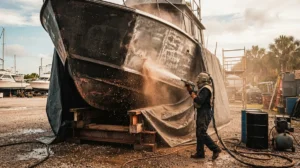
- Marine: boat hulls, trailers, docks, davits, and hardware
- Automotive: frames, wheels, panels, and restoration projects
- Industrial: structural steel, tanks, and heavy equipment
- Commercial: concrete, graffiti, storefronts, and fleet vehicles
- Residential: fences, railings, pool decks, pavers, and patios
If you are not sure where your project fits, that is okay. Just reach out, and we will point you in the right direction. We are based in Tampa and also work in Clearwater, Sarasota, Ocala, Orlando, and Fort Myers. For the right job, we will travel anywhere in the state.
Why Hand Prep Often Falls Short
Hand sanding and wire brushing miss rust hiding in seams and corners. Blasting takes the whole surface back to clean, sound material at once, so the next coat bonds properly. That matters a lot in Florida, where heat, humidity, and salt air test every finish.
If you are weighing your options, Sandblasting vs. Hand Prep: When Does Blasting Win? breaks it down. And if you are planning a project, 9 Steps to Prepare for Sandblasting the Right Way makes a great checklist.
Ready to Skip the Mistakes?
Abrasive blasting is powerful, but it works best when someone plans it well. Check the site, understand the hazards, pick the right media, control the mess, and line up your coating before you start. Do those things, and you will avoid most of the costly surprises.
We are an owner-operated crew, so you talk to the people doing the work. We are fully insured, and we treat every job like it is our own. Curious what neighbors think? Visit us on Google — see what our customers are saying about us.
Ready to get started? Get a free estimate today, or give us a call at 813-380-8092. You can text us too. We come to you, and we will have your surface clean and ready for the next step.
FAQs
Q: What is the difference between abrasive blasting and sandblasting?
A: Sandblasting is one type of abrasive blasting that uses sand as the media. Abrasive blasting is the bigger term and covers soda, walnut shell, garnet, steel grit, and more. Today, safer media often replace sand because of silica dust concerns.
Q: Is mobile abrasive blasting safe around homes and vehicles?
A: Yes, when the crew plans for it. We contain the work area, cover nearby items, and pick media and methods that keep dust low. A good walkthrough first helps us protect your landscaping, pool, windows, and cars.
Q: What OSHA rules apply to abrasive blasting?
A: OSHA’s silica standard sets a permissible exposure limit of 50 micrograms per cubic meter over 8 hours, with an action level of 25. Employers must use feasible controls first, then add training and respirators where required. Operators may need a NIOSH-certified Type CE supplied-air respirator.
Q: How much does mobile abrasive blasting cost?
A: Price depends on the size of the job, the coating or rust being removed, the media, access, and cleanup needs. We give a clear, written estimate the same day, and the price we quote is the price you pay.
Q: Do you apply paint after blasting?
A: On most jobs, we strip and prep only, so your surface is ready for the next step. Your painter or coating crew handles the finish. Limited coating help may be available on some industrial and automotive projects.