Key Takeaways
-
Use sandblasting for heavy rust, thick layered paint, large items, and irregular shapes; blasting reaches seams and corners that hand tools miss and creates a surface profile for coating adhesion.
-
Choose the right blast media for your surface: soda blasting for delicate fiberglass, harder abrasives for steel rust, walnut shell for wood, and dustless blasting for indoor or active job sites.
-
Avoid blasting on thin, soft, or easily damaged materials like some aluminum and fiberglass, tiny jobs, or sites with delicate neighbors; use hand tools or chemical strippers instead.
-
Schedule your painter before blasting begins, as bare steel can flash rust quickly in humid Florida air; apply coating the same day and follow the coating manufacturer's cleanliness standards and timing requirements.
-
Mobile blasting is faster than hand sanding or chemical stripping on large areas, skips long dwell times of strippers, and creates consistent surface profiles without the mess and fumes of chemicals.
-
Verify if old coatings contain lead or hazardous materials before blasting, as this affects work methods, waste handling, and safety protocols on your property.
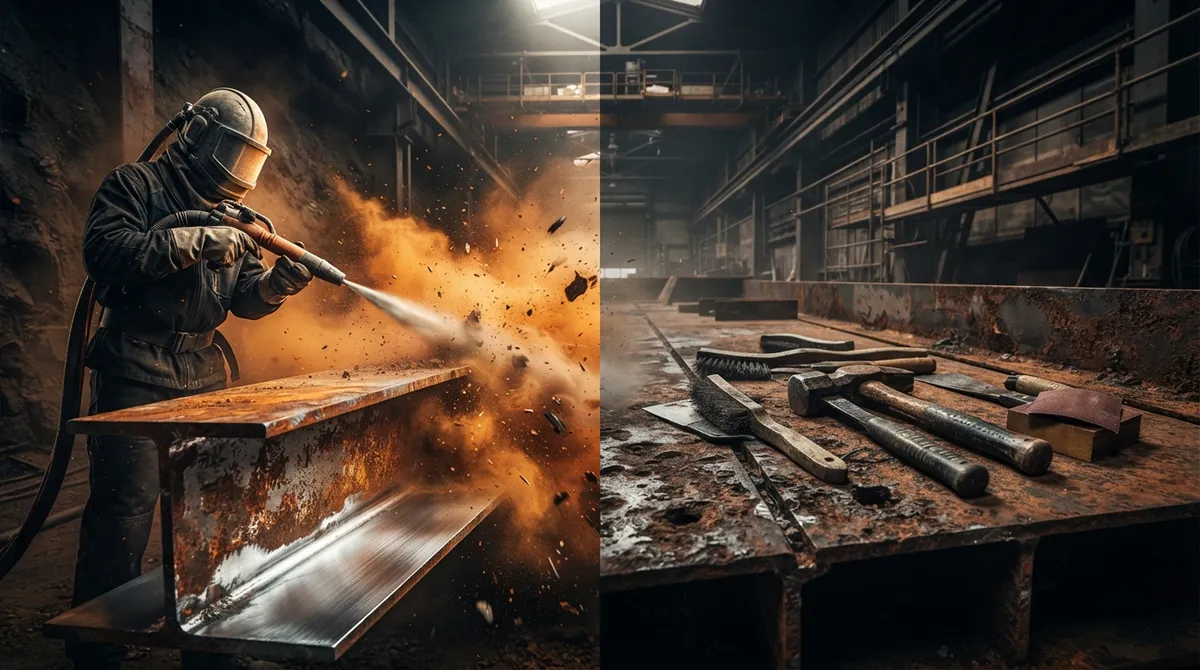
Ever stared at a rusty gate or a peeling fence and wondered, “Do I really need a blaster for this, or can I just grab a sander?” You’re not alone. It’s one of the most common questions we hear. Knowing when to use sandblasting can save you time, money, and a whole lot of sore shoulders.
Here’s the short version. Blasting shines when you have lots of rust, thick paint, or stubborn buildup on a big, heavy, or awkward surface. Hand prep and other gentle methods win when the material is delicate or the job is tiny. The trick is picking the right tool for your surface.
In this guide, we’ll compare blasting against hand tools, chemical strippers, and gentler options. We’ll show you when each one makes sense, so you can make a smart call before you spend a dime. Let’s dig in.
What We Mean by “Sandblasting” in Mobile Work
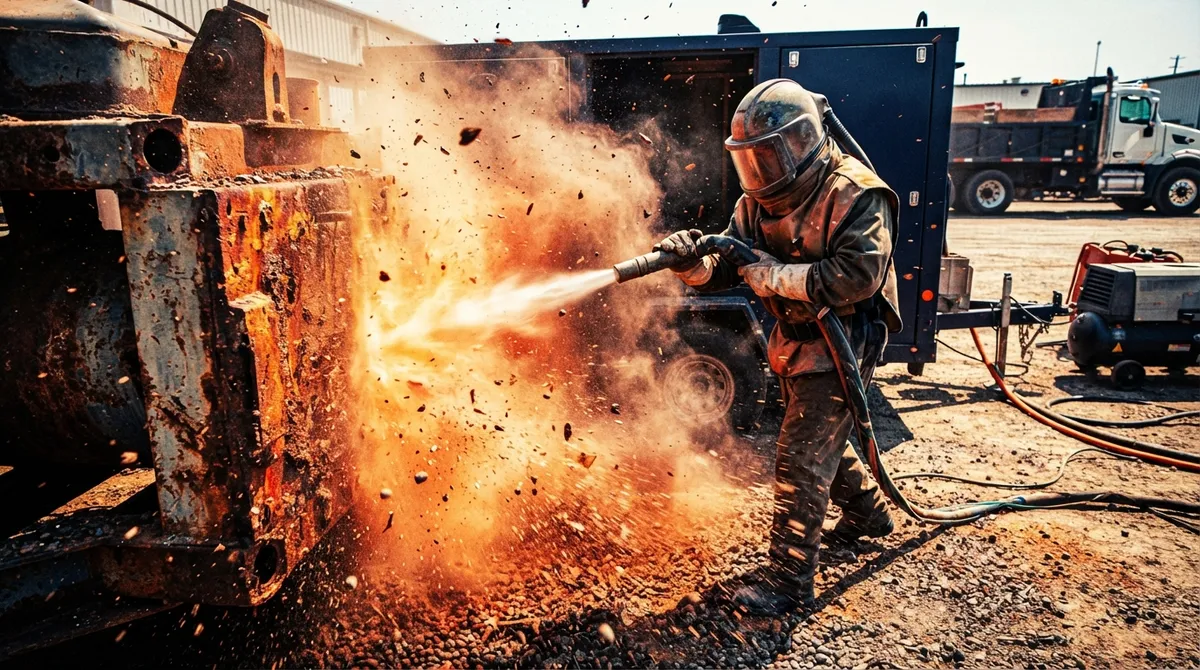
People use the word “sandblasting” for almost any kind of abrasive blasting. Here’s the thing, though. Modern crews rarely use plain silica sand. OSHA flags respirable crystalline silica as a serious blasting hazard and recommends safer alternatives and strong controls. If you want the textbook version, here’s a quick look at what is sandblasting.
In mobile blasting, the “sand” is really a menu of media. We choose the one that fits your surface:
- Soda blasting: gentle, great for fiberglass, gelcoat, and delicate surfaces.
- Walnut shell and other soft media: good for wood and trim.
- Harder abrasives: best for heavy rust on steel and iron.
- Dustless (wet) blasting: cuts dust and works well near other equipment.
At Blastworx, we match the blast to your surface, not the other way around. The right media for the job makes all the difference. Curious about the different approaches? Our guide to the 6 types of sandblasting every Florida owner should know breaks them down.
The Big Question: When Is Blasting the Right Call?
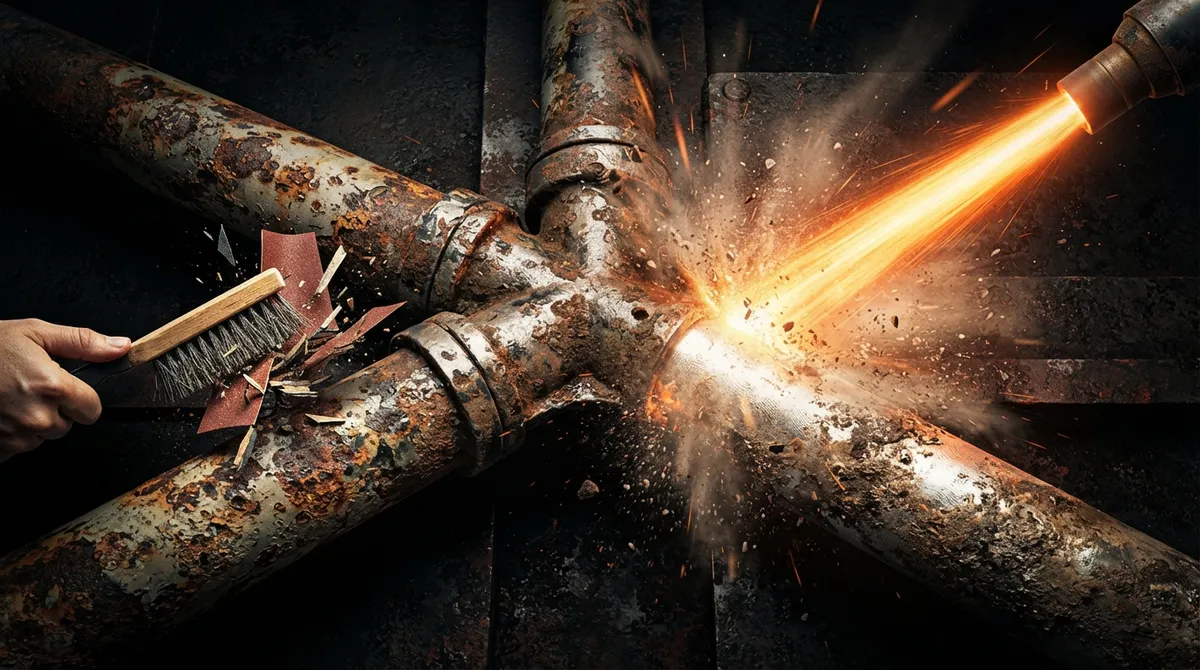
Think of blasting as the heavy hitter. It’s not always needed, but when it fits, nothing beats it. Mobile abrasive blasting is most useful in these situations:
- Heavy rust or mill scale. Hand tools struggle to reach seams, corners, and pitted spots. Blasting clears them all at once.
- Thick or layered paint. Decades of coatings can take days to sand off by hand.
- Large or heavy items. Trailers, tanks, gates, and structural steel are tough to haul to a shop.
- Irregular shapes. Ornate railings and wrought iron have curves that sandpaper can’t follow.
- New coating on the way. Blasting creates a surface profile that helps paint and coatings grip.
If your project hits two or more of those, blasting is probably your best friend. A coating is only as good as the surface underneath it. Paint, powder coat, and resurfacing won’t last if the prep is bad.
Sandblasting vs. Hand Tools: A Side-by-Side Look
Hand sanding and wire brushing have a place. They’re cheap and simple. But they have limits, and Florida’s heat, humidity, and salt air will find every spot you missed. Here’s how the two compare.
| Factor | Mobile Blasting | Hand or Power Tools |
|---|---|---|
| Speed on large areas | Fast | Slow and tiring |
| Rust in seams and corners | Reaches nearly everything | Often misses it |
| Surface profile for coatings | Creates a consistent profile | Uneven |
| Best for small spots | Can be overkill | Great fit |
| Delicate materials | Needs soft media and care | Easier to control |
| Mess | Contained by a pro crew | Dust and debris on you |
Want to go deeper on this matchup? Read Blasting vs. Hand Tools: Best Steel Prep Method? for a closer comparison.
Sandblasting vs. Chemical Stripping
Chemical strippers can work well on certain coatings. But they come with trade-offs. They often need long dwell times, multiple coats, and careful cleanup. Waste handling can also get tricky, and some products have strong fumes.
Blasting skips the waiting game. It removes paint, rust, and buildup in one pass, and the surface is ready for the next step. That said, chemicals might be worth a look in a few cases:
- Very thin or delicate metal that could warp.
- Small, intricate items with tight crevices.
- Jobs where you want to keep some coating in place.
For many Florida jobs, though, a mobile rig is simply faster and cleaner. If you’re weighing options for brick or pavers, check out 3 safe ways to strip paint from brick or pavers.
Where Mobile Blasting Really Shines
Here are the jobs where we see blasting win over and over. Each one involves a surface that’s big, stubborn, or hard to move.
Marine and Boat Work
Old bottom paint, antifouling, and rust on trailers and hardware are perfect blasting jobs. For fiberglass and gelcoat, we use softer media like soda or walnut shell to protect the hull. For metal trailers and davits, we use stronger abrasives. Learn more about our marine blasting services.
Automotive and Restoration
Frames, wheels, and undercarriages come back to clean bare metal fast. Thin body panels need lower pressure and cooler media so they don’t warp. If you’re restoring a classic, take a look at our automotive blasting page and these 5 automotive sandblasting facts Florida owners need.
Industrial and Structural Steel
Tanks, heavy equipment, and structural steel are tough to move and tough to prep by hand. We work on-site and bring our own power and water. Dustless blasting is available for indoor work and active job sites. See our industrial blasting services, or read 7 structural steel blasting facts Florida owners need.
Commercial Properties
Parking areas, sidewalks, graffiti, dumpster enclosures, and storefronts all clean up nicely with blasting. We can work after hours to keep your business running. Explore our commercial blasting options.
Residential Projects
Fences, railings, gates, pool decks, and patios are classic home projects. We use soft media and low pressure on delicate surfaces like wood and stronger media on iron, brick, and concrete. Visit our residential blasting page to learn more. One note: we do not blast vinyl fencing because it’s too delicate.
Which Method for Which Surface?
Matching the method to the material is where the magic happens. Use this table as a quick guide. Your actual project specs always come first.
| Surface | Best Approach | Watch Out For |
|---|---|---|
| Heavy-rust steel or iron | Harder abrasive blasting | Rust returning if you wait to coat |
| Fiberglass and gelcoat | Soda or walnut shell | Aggressive media can scar the finish |
| Thin body panels | Low pressure, soft media | Heat and warping |
| Wood decks and trim | Soft media, low pressure | Gouging the grain |
| Concrete, brick, pavers | Stronger or dustless blasting | Etching if pressure is too high |
| Vinyl fencing | Not blasted | Too delicate for blasting |
| Aluminum | Gentle media, careful control | Pitting and warping |
Worried about damage? You should be thoughtful about it. These guides explain the risks and how to avoid them: 11 facts: does sandblasting damage concrete? and 12 facts: does sandblasting damage wood?
When Blasting Is NOT the Best Choice
Honesty time. Blasting isn’t always the answer, and a good contractor will tell you so. Consider another route when:
- The material is thin, soft, or easily damaged, like some aluminum, fiberglass, or old wood.
- The job is tiny, like one small rusty spot.
- You need to keep part of an existing coating in place.
- The site is hard to protect, with delicate neighbors, glass, or finishes nearby.
In those cases, hand tools, chemical stripping, or gentler methods like soda blasting may serve you better. Our post on 5 questions to ask before you sandblast or paint strip can help you decide.
Surface Standards: What “Clean Enough” Means
If you’re prepping steel for a high-performance coating, the cleanliness level matters. Three common references are:
- SSPC-SP 5/NACE No. 1: white metal blast cleaning.
- SSPC-SP 10/NACE No. 2: near-white blast cleaning.
- SSPC-SP 6/NACE No. 3: commercial blast cleaning.
These are standards, not a one-size-fits-all rule. Your coating maker and project spec decide which one applies. When in doubt, ask for the coating’s data sheet. The OSHA silica guidance is also worth a read if you want to understand the safety side, including the permissible exposure limit of 50 micrograms per cubic meter over an 8-hour average.
Plan Ahead: Timing, Containment, and Safety
Great blasting results come from good planning. Before the rig rolls up, think through these steps:
- Check the old coating. Older paint can contain lead or other hazardous stuff, which changes how the work and waste must be handled.
- Pick the media. Match it to your surface and the finish you need.
- Protect the area. Landscaping, pools, windows, and nearby cars need cover.
- Plan for cleanup. Spent media and coating debris must be handled the right way.
- Schedule your coating. Bare steel can flash rust fast in Florida’s humid air, so line up your painter ahead of time.
That last one is big. A coating manufacturer guide recommends applying coating to blasted surfaces the same day, and always follow your coating’s own instructions. Need a prep checklist? Try 9 steps to prepare for sandblasting the right way.
How Blastworx Handles It
We’re an owner-operated mobile blasting company serving Tampa Bay and the central Florida corridor. We come to you. Our rig is fully mobile and self-contained, so we work dockside, in a driveway, at a shop, or on a job site without needing your power or water. We contain the mess and protect the surrounding area.
Here’s how a typical job goes:
- Walkthrough. Send photos or we come look, and we choose the right media.
- Free estimate. A clear, written estimate the same day. The price we give is the price you pay.
- Blast and strip. We protect the area, then blast the surface clean at your location.
- Ready to finish. The surface comes out clean and ready for the next step.
We’re fully insured, and you talk to the people doing the work. We strip and prep, then hand off to your painter or coating crew. Want to see our results? Browse our gallery, check our service areas, or visit us on Google and see what our customers are saying about us.
Quick Decision Guide
Still not sure? Run through this checklist. If you answer “yes” to most, blasting is likely a great fit.
- Is the surface large, heavy, or awkwardly shaped?
- Is there heavy rust, thick paint, or graffiti?
- Are you recoating or refinishing afterward?
- Would hauling the item to a shop be a hassle or cost a lot?
- Do you want the job done fast and cleanly, in one visit?
If you answered “no” to most, a gentler method might do the trick. Either way, it never hurts to ask a pro. Compare the convenience of on-site work in Mobile vs. Shop Sandblasting: Which One Wins?
Ready to Take the Next Step?
Knowing when to use sandblasting comes down to your surface, your goal, and your site. Blasting wins on heavy rust, thick coatings, big or awkward items, and any project headed for fresh paint. Gentler methods win on delicate materials and small touch-ups. If you’re not sure which camp you’re in, we’re happy to take a look. We come to you, and we’ll match the blast to your surface.
Ready to get started? Get a free estimate today, or give us a call at 813-380-8092. You can text us photos too. We’ll get your surface back to clean, sound material and ready for the next step.
FAQs
Q: When should I use mobile sandblasting instead of sanding or chemical stripping?
A: Reach for blasting when you have heavy rust, thick layered paint, or a big, heavy, or oddly shaped item. It’s faster and reaches seams that sanding misses. Chemicals or hand tools can make more sense for thin, delicate, or very small jobs.
Q: Is sandblasting a good way to remove rust and old paint before repainting?
A: Yes, it’s one of the best ways. Blasting takes the surface back to clean, sound material and creates a profile that helps new coatings bond. Just follow your coating maker’s instructions on cleanliness and timing, since bare steel can rust again quickly in Florida’s humidity.
Q: Is silica sand safe to use for sandblasting?
A: Not automatically. OSHA calls respirable crystalline silica a serious blasting hazard and recommends safer alternatives and strong controls. That’s why pros choose the right media for each job, such as soda, walnut shell, or other abrasives.
Q: Can mobile blasting be done at my property without making a huge mess?
A: Absolutely. A good mobile crew protects landscaping, pools, and windows, contains the work area, and handles cleanup. Dustless blasting is also available when you want less dust, especially near equipment or occupied spaces.
Q: How soon should steel be primed or painted after abrasive blasting?
A: As soon as you can, ideally the same day, and always according to your coating manufacturer’s instructions. Freshly blasted steel can pick up contamination or flash rust quickly, so lining up your painter before the job is a smart move.