
Key Takeaways
-
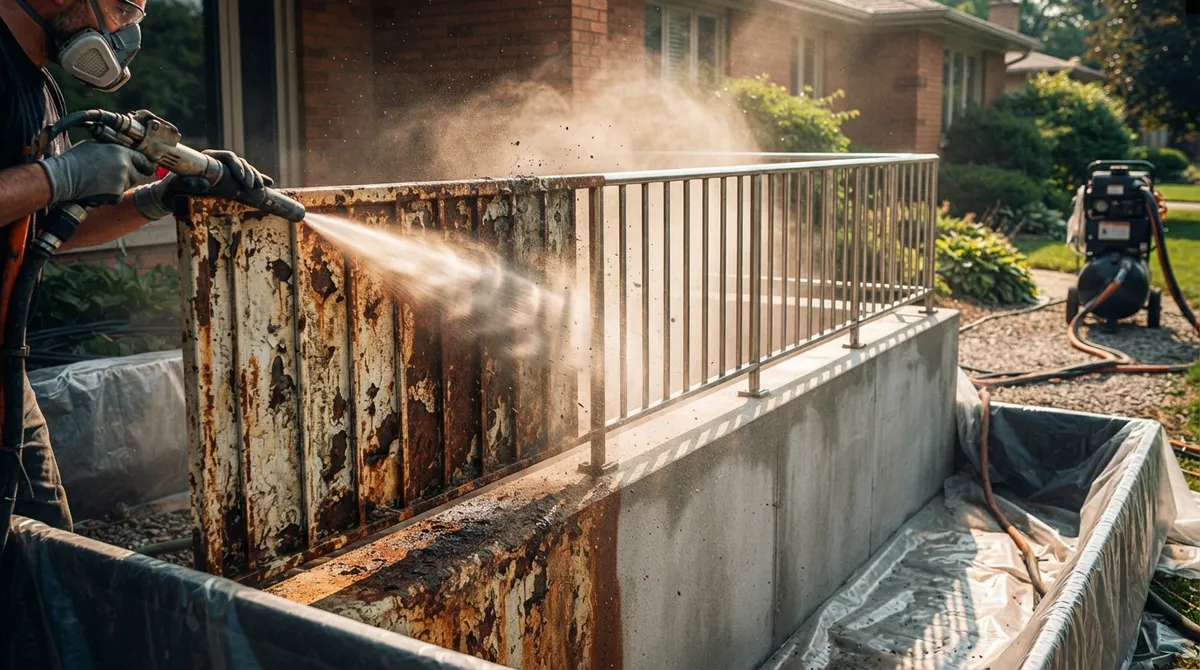
Sandblasting removes rust, paint, and old coatings in hours rather than days of hand-sanding, but success depends on matching the right abrasive media (soda, sand, or dustless) to your specific surface type.
-
If your home was built before 1978, hire only EPA-certified contractors who use HEPA-controlled containment for lead-safe practices, as disturbing lead paint without proper precautions creates serious health hazards.
-
Dustless blasting uses water to control airborne dust and is essential for projects near windows, plants, pools, or neighbors’ yards to prevent collateral damage to surrounding property.
-
Metal railings and fences are ideal candidates for blasting, while wood decks need soft media and low pressure, concrete handles standard blasting well, and vinyl fencing is too delicate—always ask a contractor to assess your surfaces first.
-
Request a written scope of work (not just price-per-square-foot quotes) that specifies media type, containment methods, lead paint protocols, cleanup responsibilities, and insurance coverage before hiring.
-
Mobile crews bring equipment directly to your home and typically handle all property protection themselves, so your main prep involves moving vehicles, clearing nearby furniture, and noting fragile items or pets.
Thinking about giving your home a fresh start? Maybe it’s that rusty railing, the fence with peeling paint, or a pool deck that’s seen better days. Home improvement sandblasting might be exactly what you need, and honestly, it’s one of those home upgrades that feels like magic once you see the results. Instead of scraping paint by hand for a weekend (or three), a mobile blasting crew can show up, strip the surface clean, and leave it ready for a fresh coat.
We know it can feel a little overwhelming if you’ve never hired someone for this kind of work before. What surfaces can even be blasted? Is it safe for your home? How much does it cost? Don’t worry, we’ve got you. This guide walks through everything you need to know, from picking the right method to protecting your yard, so you can feel confident before you ever pick up the phone.
Let’s dig into the 11 things every homeowner should know about home improvement sandblasting in 2026.
1. Know What Sandblasting Actually Means for Your Home
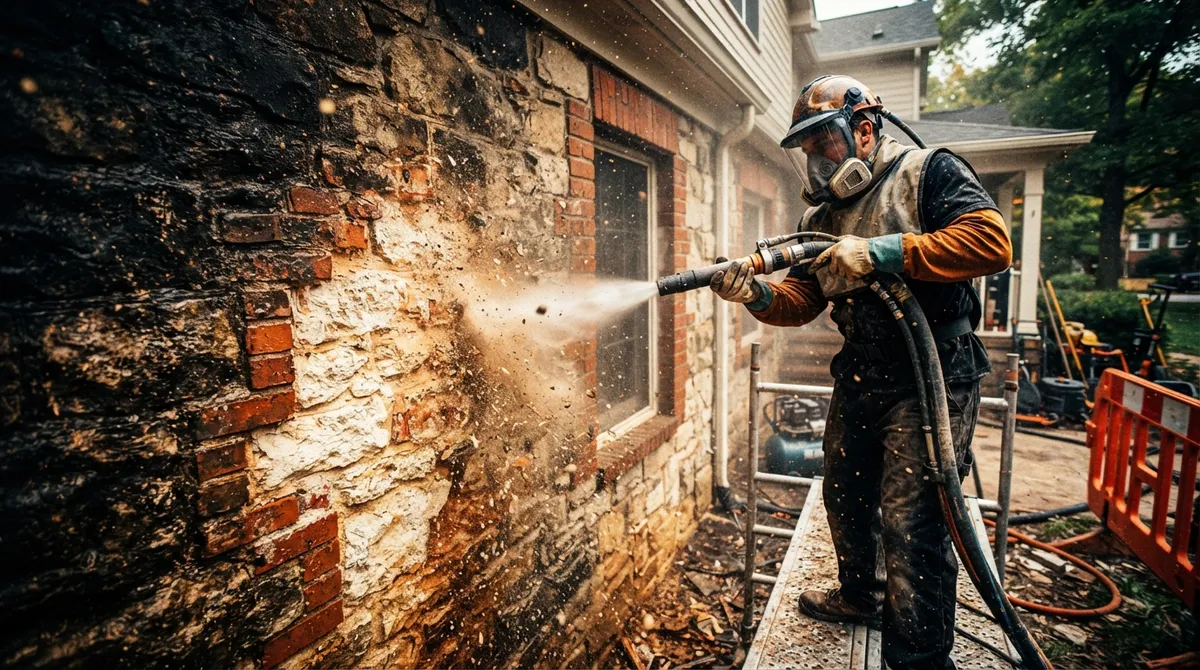
At its core, what is sandblasting comes down to a simple idea: high-pressure air pushes abrasive material against a surface to strip away what’s on top of it. For homeowners, that means paint, rust, mildew stains, or old coatings can disappear in a fraction of the time hand-sanding would take.
Home improvement sandblasting isn’t a one-size-fits-all service, though. A mobile crew brings the equipment right to your driveway, patio, or backyard, so you don’t have to haul anything to a shop. That’s a huge perk if you’re dealing with something big and awkward, like a wrought iron gate or a pool deck.
2. Figure Out Which Surfaces Are Good Candidates
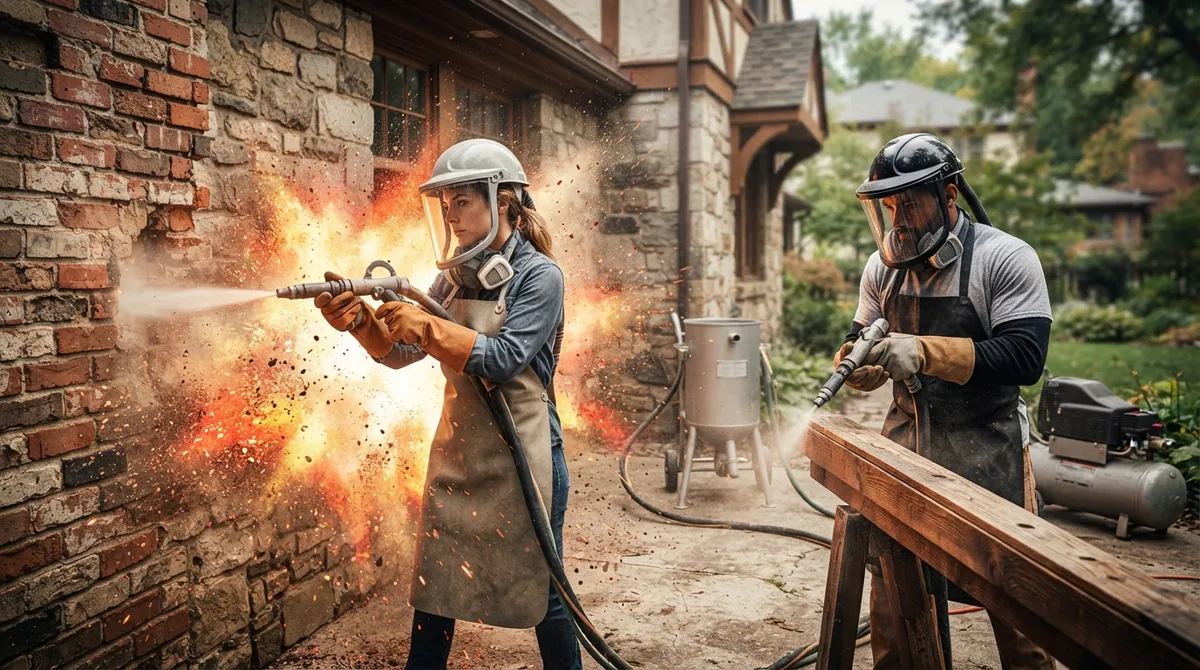
Not every part of your home is a great fit for blasting. Some materials handle it beautifully, while others need a gentler touch or a completely different approach. Here’s a quick rundown of common residential surfaces and how they typically respond:
- Metal railings and fences: Great candidates, especially for rust removal.
- Concrete and pavers: Handle blasting well when the right pressure is used.
- Brick and masonry: Can be blasted, but mortar joints need careful attention.
- Wood decks and fences: Need soft media and low pressure to avoid gouging.
- Pool decks and patios: Common project, especially before resurfacing.
- Vinyl fencing: Too delicate for blasting in most cases.
If you’re not sure whether your project is a good fit, it’s worth asking a contractor to take a look first. A quick photo or an in-person walkthrough can save everyone a headache later.
3. Understand That the Media Matters
One of the biggest misconceptions about sandblasting is that it’s a single, harsh process. In reality, there are several types of abrasive media, and picking the right one is half the battle. Soda blasting is gentle enough for fiberglass and delicate wood trim. Sand and other harder abrasives work well on iron, steel, and concrete. Dustless blasting mixes water into the process to knock down dust, which is a nice bonus for job sites near landscaping or pools.
The goal is always the same: match the blast to the surface, not the other way around. A good contractor will walk you through their media choice and explain why it fits your specific project.
4. Ask About Dustless Blasting for Sensitive Areas
If your project is close to windows, plants, or a neighbor’s yard, dustless blasting is worth asking about. It uses water alongside the abrasive to control airborne dust, which makes it a smart pick for tighter residential spaces. It’s also gentler on the surrounding area, so your flower beds and pool water stay cleaner during the job.
Curious how this compares to traditional dry blasting? This piece on what makes dustless blasting so effective breaks down why so many homeowners are choosing it these days.
5. Get Real About Lead Paint in Older Homes
If your home was built before 1978, this part matters a lot. Paint from that era often contains lead, and disturbing it without the right precautions can create a health hazard. The EPA’s Renovation, Repair and Painting Rule generally requires contractors who disturb painted surfaces in pre-1978 homes to be EPA-certified and follow lead-safe practices.
According to EPA guidance, this isn’t something to take lightly. Abrasive blasting of lead-based paint is restricted unless it uses proper containment methods, including HEPA exhaust controls that meet strict efficiency standards under federal work practice regulations. Translation: if you own an older home, always ask your contractor how they plan to handle lead paint safely before any work begins.
6. Learn How Contractors Protect Your Property
A responsible mobile blasting crew doesn’t just show up and start blasting. They plan for containment first. That means covering plants, protecting windows, shielding vehicles, and setting up barriers so debris doesn’t drift onto a neighbor’s property.
EPA guidance for lead-safe renovation recommends exterior ground covering that extends at least 10 feet from the work area, with extra precautions when work happens near a property line. Even on newer homes without lead paint concerns, this kind of careful setup is still a smart standard to expect. We contain the mess and we protect the surrounding area, because a clean job site is part of doing the work right.
7. Compare Sandblasting to Other Cleaning Methods
Sandblasting isn’t always the right tool for the job. Sometimes pressure washing gets the job done just fine, especially for surface grime instead of embedded rust or old coatings. If you’re trying to figure out which approach fits your project, this comparison of sandblasting vs. pressure washing for concrete is a helpful place to start.
Generally speaking, pressure washing works well for light dirt and mildew. Sandblasting shines when you’re dealing with rust, flaking paint, or a coating that needs to come off completely before refinishing.
Quick Comparison Table
| Method | Best For | Surface Impact |
|---|---|---|
| Sandblasting | Rust, old paint, heavy coatings | Removes material down to bare surface |
| Dustless Blasting | Sensitive areas, dust control | Gentler, less airborne debris |
| Pressure Washing | Dirt, mildew, light grime | Surface-level cleaning only |
8. Prep Your Property Before the Crew Arrives
You don’t have to do much, but a little prep goes a long way. Here’s a simple checklist to run through before your appointment:
- Move vehicles away from the work area.
- Clear patio furniture, planters, and decorations nearby.
- Let your contractor know about pets so they can plan around them.
- Point out anything fragile you’re worried about, like light fixtures or hose bibs.
- Confirm access, especially for gated yards or narrow side entrances.
If you’re working on a pool deck specifically, there’s a great walkthrough on how to prep a pool deck for resurfacing the right way that covers extra details worth knowing.
9. Know What Drives the Price
There’s no single national number for home improvement sandblasting costs, and that’s honestly a good thing. It means pricing reflects your actual project instead of a generic average that doesn’t apply to your situation. Several factors typically shape the final estimate:
- Total surface area being blasted
- Type of substrate (wood, metal, concrete, brick)
- Coating thickness and condition
- Media and process needed
- Travel and mobilization to your location
- Containment and cleanup requirements
- Disposal of spent media and debris
Always ask for a written scope of work, not just a price per square foot. A solid quote should spell out exactly what’s included, what’s excluded, and what happens after blasting is done. For more detail on what shapes these numbers, check out this breakdown of how much sandblasting estimates really cost.
10. Ask the Right Questions Before You Hire Anyone
A little homework upfront saves a lot of stress later. Before signing off on any home improvement sandblasting project, ask your contractor these questions:
- What media and process will you use on my specific surface?
- How will you protect my landscaping, windows, and pool?
- Is my home affected by lead paint rules, and how will you handle it?
- What’s included in cleanup, and where does debris go?
- Can I see a written scope before work begins?
- Are you insured in case something goes wrong?
A trustworthy crew will answer these without hesitation. If you’re working with a company that’s fully insured and hands-on with every job, you’ll notice it in how clearly they explain the process.
11. Choose a Mobile Crew That Comes to You
One of the best parts of modern home improvement sandblasting is that you don’t have to haul a rusty railing or a heavy iron gate anywhere. A mobile crew brings the equipment straight to your home, sets up containment, and gets to work on-site. That means less hassle for you and a faster turnaround overall.
At Blastworx, we’re based in Tampa and serve the whole central Florida corridor, including Clearwater, Ocala, Orlando, and Fort Myers. Our rig is fully mobile and self-contained, so we don’t need your power or water to get the job done. We match the blast to your surface, contain the mess, and leave things ready for the next step, whether that’s painting, sealing, or simply enjoying a clean, refreshed space again.
If you’re weighing your options, take a look at this guide on why choosing mobile sandblasting for your Tampa home makes sense, or browse our gallery to see real before-and-after results from homes just like yours. For a closer look at all our residential offerings, visit our residential services page.
Ready to Refresh Your Home?
Home improvement sandblasting can turn a tired, rusted, or peeling surface into something that looks brand new, and it doesn’t have to be complicated. With the right contractor, the right media, and a solid plan for containment, your project can move quickly and safely from start to finish.
Curious what our neighbors are saying? Visit us on Google — see what our customers are saying about us before you decide who to trust with your home.
Ready to get started? Get a free estimate today, or if you’d rather talk it through first, give us a call. We’re happy to answer your questions and help you figure out the right plan for your home.
FAQs
Q: What home surfaces can be cleaned or stripped with mobile sandblasting?
A: Metal railings, fences, concrete, pavers, brick, and pool decks are all great candidates for home improvement sandblasting. Wood needs a gentler touch with soft media, and vinyl fencing is usually too delicate for blasting altogether. When in doubt, just ask a contractor to take a look before you commit.
Q: Is sandblasting safe for wood, brick, concrete, or siding?
A: It can be, but it really depends on the material and the media used. Wood needs low pressure and soft media to avoid gouging, while brick and concrete generally handle blasting well with the right approach. A good contractor will always match the process to your specific surface instead of using one method for everything.
Q: Can abrasive blasting remove lead paint from an older house?
A: It’s possible, but it comes with strict rules if your home was built before 1978. The EPA requires certified contractors to follow lead-safe practices, including proper containment and HEPA exhaust controls. This definitely isn’t a DIY project, so always ask a contractor about their lead-safe certification before starting.
Q: How much does mobile sandblasting cost for a residential project?
A: Pricing varies a lot depending on surface area, substrate, media, travel, and cleanup needs, so there’s no single flat rate that applies everywhere. The best way to get a clear number is to request a written estimate that spells out exactly what’s included. We’re always happy to walk through your project and give you a straightforward quote.
Q: Do I need to prepare my property before a mobile blasting crew arrives?
A: A little prep helps things go smoothly, like moving vehicles, clearing furniture, and mentioning any pets on the property. Beyond that, the crew handles containment and protection themselves once they arrive. It’s a pretty low-effort process on your end, which is part of why homeowners love it.





