
Key Takeaways
-
Remove grease, oil, and loose debris before the crew arrives by wiping down oily spots and hosing off dirt, then let the surface dry completely—this significantly improves blasting effectiveness.
-
Clear the work area completely by moving furniture, vehicles, and equipment at least 15 feet away, and trim plants near the surface to ensure faster setup and protect your belongings from dust.
-
Mask and protect sensitive areas like electrical wiring, windows, HVAC vents, and landscaping beforehand so the crew can focus on the target surface without damaging surrounding elements.
-
Confirm weather conditions (humidity below 85%, surface temperature at least 3°C above dew point) and communicate with your contractor about the specific abrasive media choice for your surface type before the job starts.
So you booked a mobile blasting job and now you’re wondering what to actually do before the truck shows up. Good news: you’re already ahead of most folks. Knowing how to prepare for sandblasting saves time, keeps costs down, and helps your project turn out great. Whether it’s a rusty gate in Riverview or a boat hull in Clearwater, a little prep goes a long way.
At Blastworx, we’ve blasted everything from pool decks to industrial tanks across Tampa Bay. We’ve learned that jobs go smoother when homeowners and businesses know what to expect. This guide walks you through nine simple steps, so you feel ready and confident when blasting day arrives.
1. Understand What Sandblasting Actually Involves
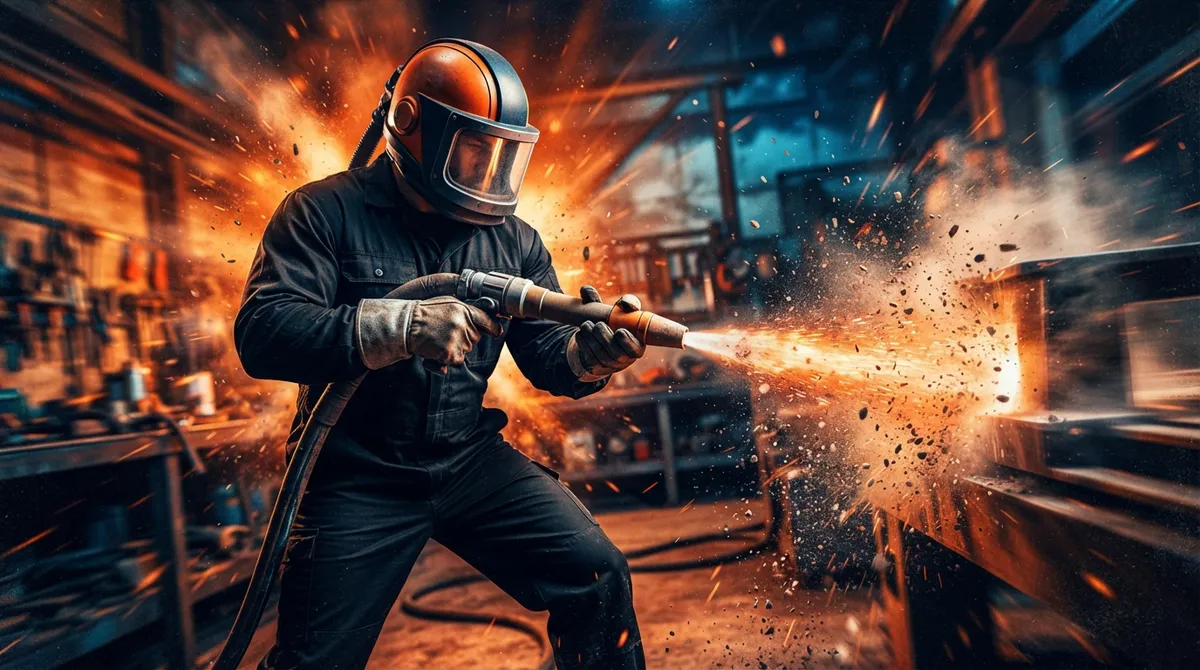
Before you prep anything, it helps to know what you’re prepping for. What is sandblasting? It’s a process that fires abrasive media at high speed to strip paint, rust, and grime off a surface. Mobile blasting brings that same process right to your driveway, dock, or job site.
We match the blast to your surface, not the other way around. That means soda for a delicate fiberglass hull, and something tougher for structural steel. Knowing this helps you understand why prep steps differ depending on your project type.
2. Clear the Work Area Completely
The first real prep step is simple: clean up the space. Move anything you can carry, and make a plan for what stays put.
- Remove furniture, planters, tools, and loose items from the blast zone
- Move vehicles, boats, or equipment not being blasted at least 15 feet away
- Trim overgrown plants or bushes near the surface
- Roll up hoses, extension cords, and anything that could get in the way
- Clear pathways so our crew can move equipment easily
A clear area means faster setup and fewer surprises once blasting starts. It also protects your belongings from dust and stray media.
3. Remove Grease, Oil, and Loose Debris First
Sandblasting works best on a surface that’s already been wiped down. Grease and oil actually repel abrasive media instead of letting it do its job.
Mobile operators check the surface rust grade and look for welding slag, spatter, grease, and other soluble contaminants before we ever turn on the compressor. If you can hose off heavy dirt or wipe down oily spots beforehand, that’s a big help. Just let the surface dry fully before we arrive.
Quick Pre-Cleaning Checklist
- Wipe down visible oil, grease, or wax buildup
- Hose off loose dirt, mud, or leaves
- Let the surface air dry completely
- Note any stubborn stains or rust spots to point out to the crew
4. Mask and Protect Sensitive Areas
Not everything near your project needs to get blasted, and some things definitely shouldn’t. This step matters more than people expect.
We protect the surrounding area, but a heads-up from you helps us do it even better. Think about:
- Electrical wiring, outlets, or junction boxes nearby
- Windows, glass doors, and mirrors
- HVAC vents, pool equipment, or irrigation lines
- Landscaping, delicate plants, and garden beds
- Painted surfaces you want to keep untouched
For residential jobs like fences, railings, or pool decks, this is especially important. Check out our tips on avoiding common residential sandblasting mistakes for more on this.
5. Confirm the Right Abrasive Media for Your Surface
Media choice changes everything about the outcome. This is one reason we say the right media for the job matters so much.
| Media Type | Best For | Notes |
|---|---|---|
| Soda blasting | Fiberglass, gelcoat, wood, delicate trim | Gentle, low residue, safe for softer materials |
| Sand or quartz | Concrete, brick, heavy rust | Aggressive, best for tough industrial jobs |
| Glass beads | Aluminum, stainless steel | Smooth finish, low surface damage |
| Garnet or aluminum oxide | Structural steel, marine hardware | Fast-cutting, reusable in some setups |
Good abrasive media should be hard, angular, dry, and free of soil or debris. Moisture content should stay under 2 percent for the best results. Ask your blasting contractor which media fits your project during the estimate call.
6. Know the Environmental Conditions That Matter
Weather plays a bigger role in sandblasting than most people realize. Florida humidity can actually delay a job if conditions aren’t right.
- Relative humidity should stay below 85 percent for safe blasting
- Surface temperature needs to be at least 3°C above the dew point
- Rain or heavy moisture in the forecast may push the job back a day
- Early morning or late afternoon often works best in summer heat
This is why mobile crews check the forecast closely before confirming a start time. It’s not about convenience, it’s about making sure the surface stays clean and dry enough for the finish to hold.
7. Set Up Access for Equipment and Air Compressors
Mobile blasting rigs need some room to work. A typical setup includes a truck carrying about 3,000 pounds of equipment and media, plus a towed diesel air compressor rated around 185 CFM.
Here’s what helps our crew set up faster:
- Clear driveway or parking space for the truck and trailer
- Access to a flat, level area for the compressor
- Enough room for 50-foot blast hose sections to reach the work area
- Gate codes or access instructions if we’re arriving while you’re away
Since we’re fully mobile and self-contained, we don’t need your power or water hookups. That said, easy access still speeds things up and keeps the whole job running smoothly.
8. Plan for Safety Gear and Site Boundaries
Sandblasting kicks up dust and debris, so safety prep matters for everyone nearby, not just the crew.
Our operators wear full protective gear, including a blasting helmet with fresh air supply, a respirator, hearing protection, gloves, and a coverall suit. On your end, it helps to:
- Keep kids and pets away from the work zone during blasting
- Ask neighbors to move vehicles if blasting happens near a shared property line
- Close windows and doors near the blast area
- Let us know about any respiratory concerns for people who might be nearby
If you’re curious about the environmental side of this, the U.S. Environmental Protection Agency offers helpful guidance on dust control and site safety for abrasive blasting work.
9. Confirm the Scope and Ask Questions Before Blasting Starts
The final step is simple: talk it through. A quick walkthrough before blasting begins helps avoid confusion later.
- Confirm which surfaces get blasted and which stay untouched
- Ask what media will be used and why
- Review the written estimate so pricing is clear upfront
- Ask about cleanup and what “ready for the next step” looks like for your project
- Get a rough timeline so you can plan your day
We always give a clear, written estimate the same day as the walkthrough. The price we give is the price you pay, no surprises after the job starts.
Why Proper Prep Makes Such a Difference
A coating is only as good as the surface underneath it. Paint, powder coat, resurfacing, or antifouling won’t last if the prep work is rushed. Blasting takes the whole surface back to clean, sound material at once, which is a lot more reliable than hand-sanding corners and seams.
This matters even more in Florida, where heat, humidity, and salt air are tough on any finish. Whether you’re prepping a dock in Tampa or a patio in Brandon, the goal is the same: a clean surface that’s ready to prime, coat, or refinish without hidden weak spots.
Common Surfaces We Prep Across Central Florida
- Boat hulls, trailers, and marine hardware
- Fences, railings, gates, and pool decks
- Concrete driveways, sidewalks, and pavers
- Structural steel and industrial equipment
- Vehicle frames, wheels, and body panels
If you want to see real project photos from jobs around the region, our gallery shows plenty of before-and-after transformations. And if you’re weighing sandblasting against another cleaning method for concrete, this comparison on sandblasting versus pressure washing breaks down the differences well.
Wrapping Up Your Prep Checklist
Getting ready for sandblasting doesn’t have to feel complicated. Clear the area, protect sensitive spots, confirm the media, and check the weather. That’s really the heart of it. The rest comes down to communication with your blasting crew.
We serve Tampa, Clearwater, Sarasota, Ocala, Orlando, Fort Myers, and plenty of towns in between, including Brandon, Riverview, Plant City, Lutz, and St. Pete. Wherever you’re located in central Florida, our team shows up ready to work, and you’ll always talk to the people actually doing the job. See our full service areas to check if we cover your neighborhood.
Curious what past customers think? You can visit us on Google — see what our customers are saying about us before booking your project. Ready to get started? Get a free estimate today, or give us a call to talk through your project with our team.
FAQs
Q: What is the best abrasive media for mobile sandblasting on aluminum versus steel?
A: For aluminum, we usually go with glass beads or soda since they’re gentle and won’t warp the metal. Steel can handle tougher stuff like garnet or aluminum oxide, which cuts through rust fast. We’ll always match the media to your surface during the estimate walkthrough.
Q: How do I know if the weather is right for sandblasting?
A: The easy rule is humidity under 85 percent and a surface temperature at least 3°C above the dew point. Florida mornings and evenings often work best in summer. Our crew checks conditions before every job so you don’t have to stress about it.
Q: What PPE do mobile sandblasting operators wear?
A: Our crew wears a blasting helmet with fresh air supply, a respirator, hearing protection, thick gloves, and a full coverall suit. It’s a lot of gear, but it keeps everyone safe from dust and flying debris. Safety is never something we skip.
Q: How much air compressor power does mobile sandblasting need?
A: Most mobile setups run on a diesel air compressor rated around 185 CFM, which powers a #5 or #6 nozzle nicely. That’s enough muscle for everything from a small gate to a large industrial tank. We bring our own compressor, so you don’t need to provide power.
Q: Do I need to clean the surface myself before you arrive?
A: A little help goes a long way! Wiping off grease, oil, or heavy dirt beforehand speeds things up. Just make sure everything’s fully dry, since moisture can affect how well the blasting works.





