
Key Takeaways
-
Sandblasting damage depends entirely on matching the right abrasive media, pressure setting, and operator skill to the surface—not on the process itself; mismatches cause scratches and pitting.
-
Modern blasting professionals use gentler alternatives like soda, crushed glass, walnut shell, and aluminum oxide instead of traditional silica sand due to health risks and better surface protection.
-
Different surfaces require completely different approaches: fiberglass needs soft media like soda, thin automotive metal needs cooler techniques, and masonry requires careful pressure calibration to prevent erosion.
-
Dustless or wet blasting, which mixes water with abrasive media, cushions impact and reduces damage risk while containing dust—making it ideal for delicate surfaces or sensitive job sites.
-
Blasting often reveals pre-existing damage like hidden rust and cracks rather than creating it, giving you an honest assessment of structural condition before investing in new coatings.
-
Always request a test blast on a small area first, confirm the contractor carries insurance, ask about media selection, and verify they protect surrounding landscaping and structures before hiring.
If you’ve ever watched a blasting rig fire up and wondered whether it’s about to chew through your boat hull, your brick patio, or your classic car’s fenders, you’re not alone. It’s one of the questions we get most at Blastworx. The short answer? Sandblasting does not damage surfaces when it’s done right. The longer answer is a lot more interesting, and it’s what we’re breaking down for you today.
We’ve spent years running mobile blasting jobs across Tampa Bay and the central Florida corridor, and we’ve learned that the real story isn’t about whether blasting is risky. It’s about matching the right media, pressure, and technique to the surface in front of us. Get that wrong, and yes, you can scratch metal or pit a gel coat. Get it right, and you end up with a clean, sound surface that’s ready for its next chapter. Let’s walk through the five biggest truths you need to know before your next project.
1. Sandblasting Damage Depends Entirely on Technique, Not the Process Itself
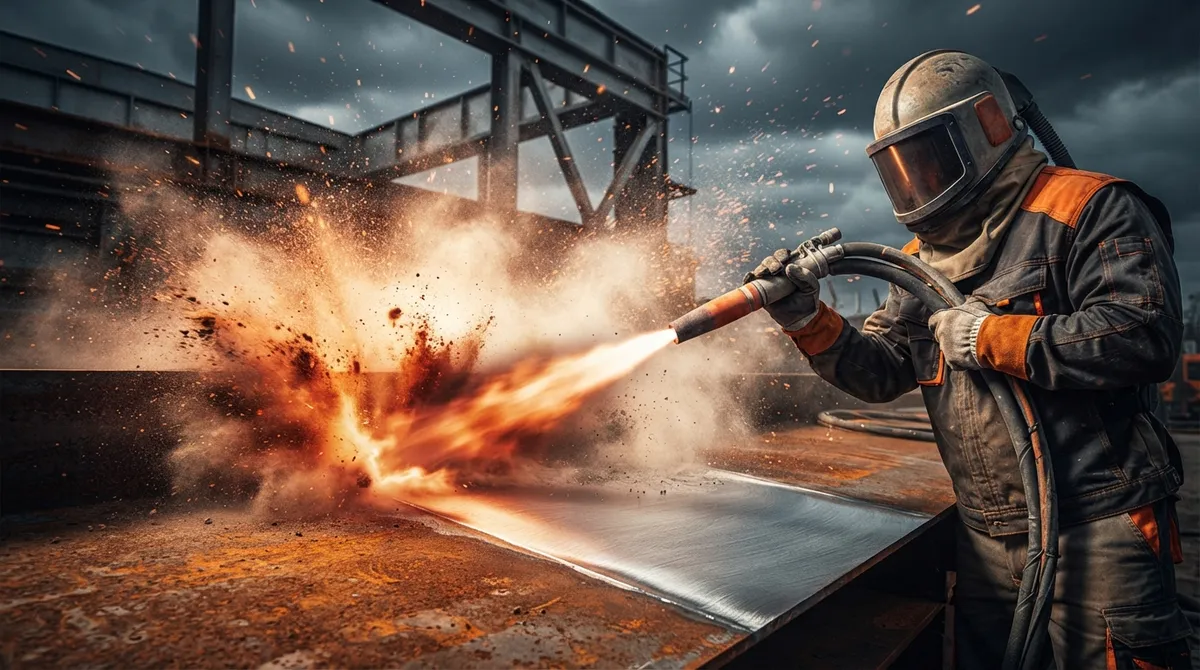
Here’s the thing people often miss. Sandblasting is a tool, not a guarantee of destruction. Whether a surface ends up damaged comes down to three variables: the abrasive media, the pressure setting, and the operator’s skill. When those three things line up with the material being cleaned, the surface comes out clean without harm.
Think of it like cooking. A hot pan can sear a steak perfectly or burn it to a crisp. The pan isn’t the problem. It’s how you use it. The same logic applies here, and it’s exactly why we say we match the blast to your surface, not the other way around.
What Actually Causes Damage
- Using media that’s too hard or too coarse for a delicate surface
- Running pressure too high for thin metal or soft masonry
- Holding the nozzle too close or in one spot too long
- Skipping test spots before working the whole surface
- Using the wrong technique on fragile trim, glass, or veneer
2. Why Traditional Sand Media Is Rarely Used Anymore
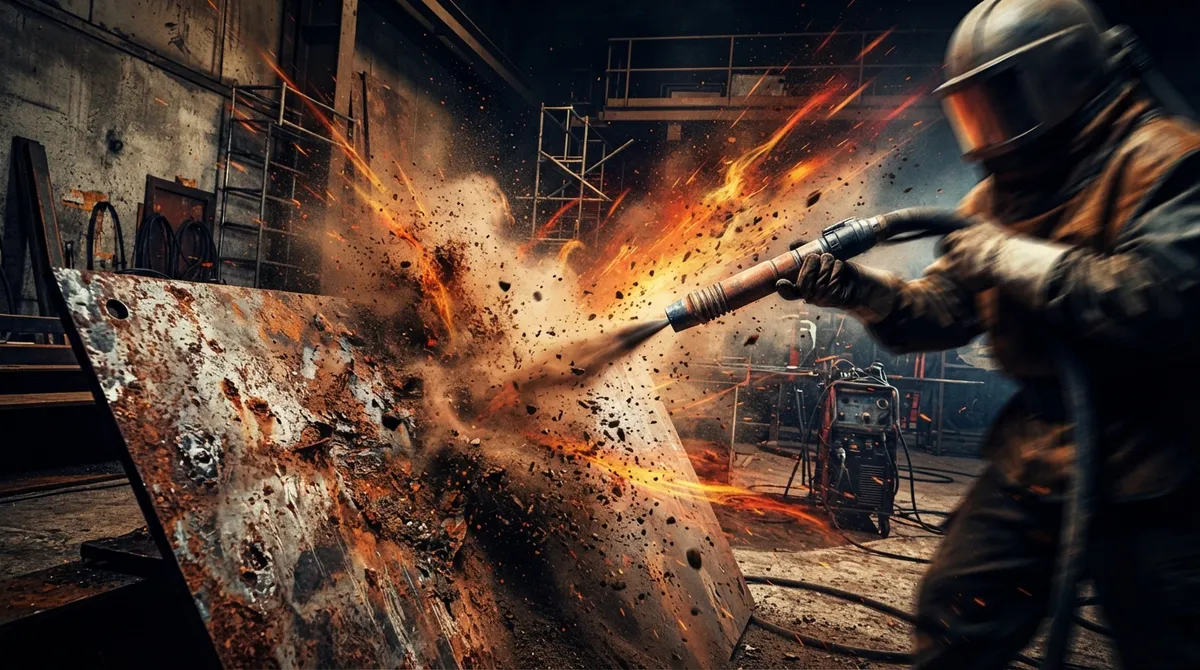
Old-school sandblasting got its bad reputation for a reason. Traditional silica sand is aggressive, and it throws fine dust that’s genuinely dangerous to breathe. Long-term exposure to silica dust can cause silicosis and even lung cancer, which is why professional operators today rarely reach for it. Most mobile blasting companies, including us, have moved toward safer, gentler alternatives.
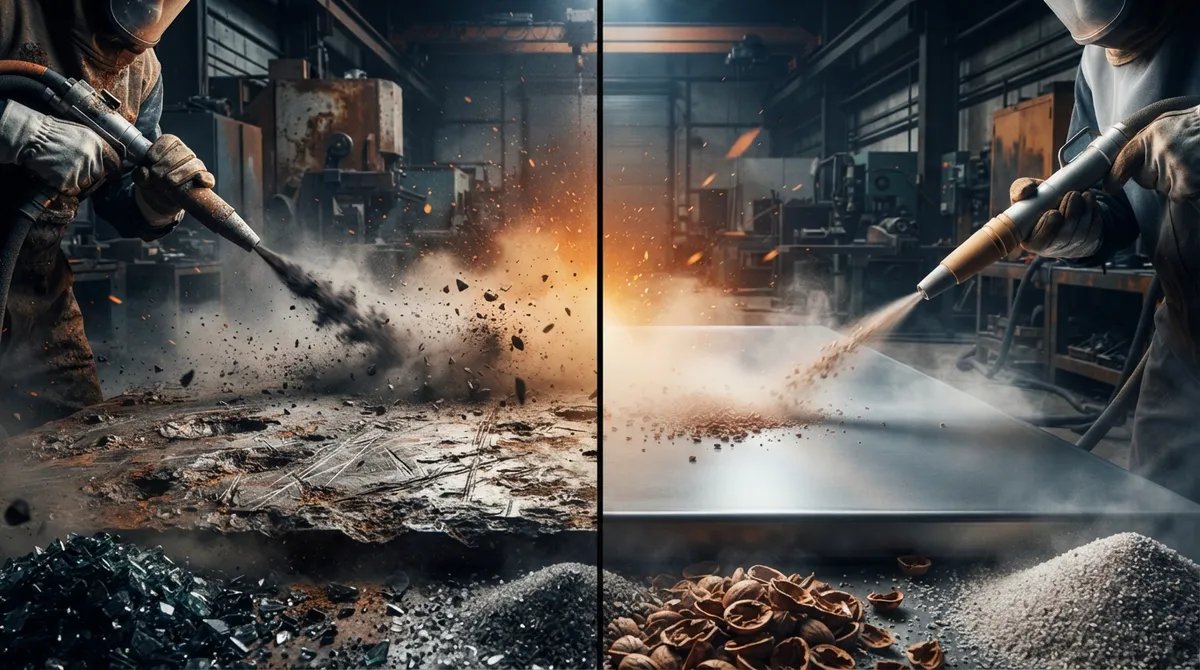
Modern media choices include crushed glass, soda, walnut shell, and aluminum oxide. Each one behaves differently, and picking the right one is half the battle in preventing damage. Soda blasting, for example, is soft enough for delicate fiberglass, while aluminum oxide can tackle heavy rust on steel without breaking a sweat.
Common Blasting Media and What They’re Good For
| Media Type | Best Used On | Damage Risk |
|---|---|---|
| Soda | Fiberglass, gel coat, wood trim | Very low |
| Walnut Shell | Soft wood, delicate trim | Low |
| Crushed Glass | Concrete, brick, metal | Low to moderate |
| Aluminum Oxide | Heavy rust, structural steel | Moderate if misused |
| Traditional Sand | Rarely used today | High |
You can read more about how what is sandblasting actually involves, including the range of abrasives used across industries, if you want a deeper technical dive.
3. Different Surfaces Need Completely Different Approaches
This is where experience really matters. A technique that’s perfectly safe on a steel I-beam could ruin a fiberglass boat hull in seconds. Here’s how we break it down for the surfaces we see most often around Tampa, Clearwater, and the rest of central Florida.
Marine Surfaces
Fiberglass hulls and gel coats need a gentle touch. We use softer media like soda to strip old bottom paint and antifouling without pitting the gel coat underneath. Metal hardware, trailers, and davits can handle a stronger abrasive. If you’re curious how this plays out on the water, our marine blasting services page walks through the specifics.
Automotive Metal
Thin body panels warp easily under high heat and pressure, so we dial things back and use cooler-running media. Frames and heavily rusted parts can take a stronger approach since they’re built tougher. This is one of the most common questions we get from classic car owners chasing that automotive blasting restoration look, and it’s a big reason results vary so much between shops.
Masonry, Concrete, and Brick
Soft, aging masonry can erode if the pressure is too aggressive. But properly calibrated blasting is actually one of the best ways to prep concrete before resurfacing or coating. If you want to see how this compares to other prep methods, check out Sandblasting vs. Pressure Washing for Concrete: Which Wins? and 11 Facts: Does Sandblasting Damage Concrete? (2026) for a closer look.
Wood Surfaces
Wood decks and fences are some of the trickiest surfaces because they’re naturally soft. Low pressure and gentle media, like walnut shell, strip old paint without gouging the grain. We cover this in detail in 12 Facts: Does Sandblasting Damage Wood? (2026 Guide), which is worth a read if you’re planning a deck refresh.
4. Dustless Blasting Adds an Extra Layer of Protection
Dustless, or wet, blasting mixes water with the abrasive media before it hits the surface. This does two things. It knocks down dust for a cleaner job site, and it cushions the impact just enough to reduce the chance of surface damage. For surfaces near landscaping, pools, or busy commercial areas, this method is often the safer bet.
We use dustless techniques often for jobs in tight spaces or near other equipment. If you want to understand why so many property owners are choosing this method, take a look at What Makes Dustless Blasting In Tampa So Effective? It breaks down the mechanics in plain language.
Steps We Take to Protect Your Property
- Walk the site first and identify anything fragile nearby
- Cover landscaping, windows, and outdoor furniture with tarps
- Set up barriers to contain dust and overspray
- Choose the media and pressure suited to your specific surface
- Test a small area before committing to the full job
- Clean up thoroughly once the blasting is complete
This is part of what we mean when we say we protect the surrounding area on every residential job, whether it’s a pool deck in Riverview or a fence line in Valrico.
5. Sandblasting Often Reveals Problems, It Doesn’t Create Them
This one surprises a lot of people. When blasting uncovers rust in a hidden seam, or cracks under old paint, that damage was already there. Blasting just brings it to light. In restoration work, this is actually a huge advantage. It gives you an honest look at what you’re working with before you spend money on a new coating or finish.
We’ve seen this plenty of times on boats, fences, and steel structures. A surface that looked fine under paint turns out to have corrosion underneath. Better to know now than after the new coat goes on. This is one reason 7 Structural Steel Blasting Facts Florida Owners Need is such a popular read among facility managers doing routine maintenance checks.
Shot Blasting vs. Sandblasting: What’s the Difference?
People sometimes mix these two up, so let’s clear it up. Shot blasting uses small metallic pellets and is generally considered gentler and more controlled, often used in industrial settings on steel. Sandblasting uses a wider range of abrasive media and requires more careful calibration to avoid surface wear. Both can be non-destructive, but sandblasting demands more operator judgment because of the variety of materials it’s used on.
| Method | Typical Media | Best For | Damage Control |
|---|---|---|---|
| Sandblasting | Sand, soda, glass, aluminum oxide | Wide range of surfaces | Requires precise calibration |
| Shot Blasting | Steel or metallic pellets | Heavy steel, industrial floors | Generally more controlled |
| Dustless Blasting | Water plus abrasive media | Delicate or dust-sensitive areas | Extra cushioning reduces risk |
How Blastworx Approaches Every Job
We built our whole process around avoiding damage in the first place. It starts with a walkthrough, either in person or through photos you send us, so we can figure out the right media for your surface. From there, you get a free, same-day estimate. The price we quote is the price you pay, no surprises later.
Once the job starts, we contain the mess, protect anything nearby, and blast the surface using settings dialed in for your specific material. Whether it’s a boat hull needing marine blasting, a rusted gate needing restoration, or a commercial building prepping for new paint, the surface comes out clean and ready for the next step. We’re fully insured, and when you call, you talk to the people actually doing the work.
We serve Tampa, Clearwater, Sarasota, Ocala, Orlando, Fort Myers, and smaller communities like Brandon, Riverview, Plant City, and Lutz. Check our service areas page to see if we cover your neighborhood, or browse our gallery to see real before-and-after results from jobs just like yours.
Quick Checklist Before Hiring a Blasting Company
- Ask what media they plan to use on your specific surface
- Confirm they test a small spot before blasting the whole area
- Make sure they carry insurance
- Ask how they protect landscaping, windows, and nearby structures
- Get a written estimate before work begins
- Ask if dustless blasting is available for your project
Curious what real customers say about working with us? You can visit us on Google — see what our customers are saying about us and get a feel for how we handle jobs across the Tampa Bay area.
The Bottom Line on Sandblasting and Surface Damage
So, does sandblasting damage surfaces? Only when it’s rushed, mismatched, or handled by someone without the right experience. Done properly, blasting is one of the most effective ways to strip old paint, rust, and buildup while keeping the material underneath completely sound. According to the Occupational Safety and Health Administration, proper media selection and safety controls are also key to protecting workers, not just surfaces, which is part of why the industry has shifted away from raw silica sand entirely.
Every surface has its own personality, and treating them all the same is where damage happens. That’s why we spend time upfront figuring out the right approach before we ever pull the trigger on the nozzle.
If you’ve got a project on your mind, whether it’s a rusty railing, a tired pool deck, or a boat that needs its bottom paint stripped, we’d love to help. Get a free estimate today, or give us a call to talk through your project with the team who’ll actually be doing the work.
FAQs
Q: Is sandblasting safe for fiberglass boat hulls?
A: Absolutely, as long as the right media is used. We typically use soft options like soda blasting on fiberglass hulls, which strips old bottom paint without pitting the gel coat underneath. It’s all about matching the media to the material, which is exactly how we approach every marine job.
Q: Can sandblasting damage brick or stone masonry?
A: It can if the pressure is too high for soft, aging masonry, but a well-calibrated approach actually cleans these surfaces safely. We always test a small spot first to make sure the settings are right before working the whole area. Done correctly, it’s a great way to prep brick or stone for sealing or refinishing.
Q: What is the difference between sandblasting and shot blasting?
A: Shot blasting uses small metallic pellets and is common in heavy industrial settings, while sandblasting uses a wider variety of media suited to different surfaces. Both can be gentle when done right, but sandblasting requires more careful calibration since it’s used on everything from wood to metal to fiberglass.
Q: Does dustless blasting damage surfaces less than traditional sandblasting?
A: Generally, yes. Dustless blasting mixes water with the abrasive, which cushions the impact and cuts down on dust at the same time. It’s a great option for delicate surfaces or job sites near pools, landscaping, or other equipment.
Q: Why is traditional sand rarely used in modern sandblasting?
A: Traditional silica sand throws fine dust that can cause serious health issues like silicosis, and it’s also pretty aggressive on delicate surfaces. Most professionals today have switched to safer, gentler media like soda, glass, or aluminum oxide depending on the job. It’s simply a better choice for both people and surfaces.





