
Key Takeaways
-
Sandblasting creates a microscopic anchor pattern that allows paint and coatings to grip properly, preventing premature peeling in Florida’s heat and humidity.
-
Modern mobile blasting uses safer alternatives like steel grit, aluminum oxide, and walnut shell instead of silica sand, which is banned due to serious lung health risks.
-
Mobile blasting reaches every surface including tight corners and seams in a fraction of the time hand tools require, making it ideal for heavy rust and thick coatings.
-
The right abrasive media depends entirely on your surface type: steel grit for heavy rust, aluminum oxide for automotive work, glass beads for delicate surfaces, and soda for fiberglass.
-
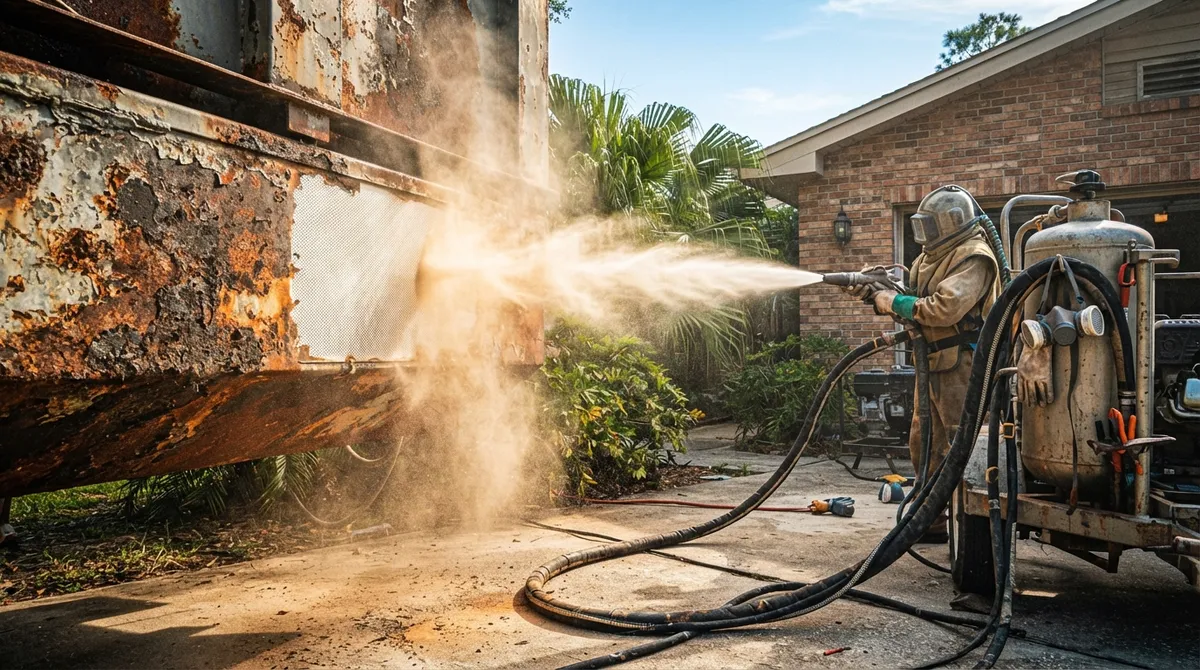
Mobile equipment means the work happens on-site at your driveway, dock, or job site with built-in containment and dustless systems to protect surrounding areas.
-
Proper surface prep through sandblasting saves money long-term by making coatings last significantly longer, especially critical in Florida’s salt-air and humid climate.
Rust doesn’t care about your schedule. Old paint doesn’t peel off just because you asked nicely. If you’ve ever stared at a rusted railing, a stained pool deck, or a boat hull covered in old antifouling paint, you already know that scraping and sanding only get you so far. That’s where sandblasting comes in. It’s fast, it’s thorough, and it gets surfaces back to clean, sound material in a fraction of the time hand tools would take.
But here’s the thing: sandblasting today isn’t what your grandfather used in his garage. Modern mobile blasting has come a long way, and understanding why it’s still the go-to choice for so many jobs across Tampa Bay and central Florida can save you time, money, and a lot of frustration. Let’s walk through exactly why choose sandblasting makes sense for homeowners, boat owners, contractors, and business owners alike.
What Sandblasting Really Means Today
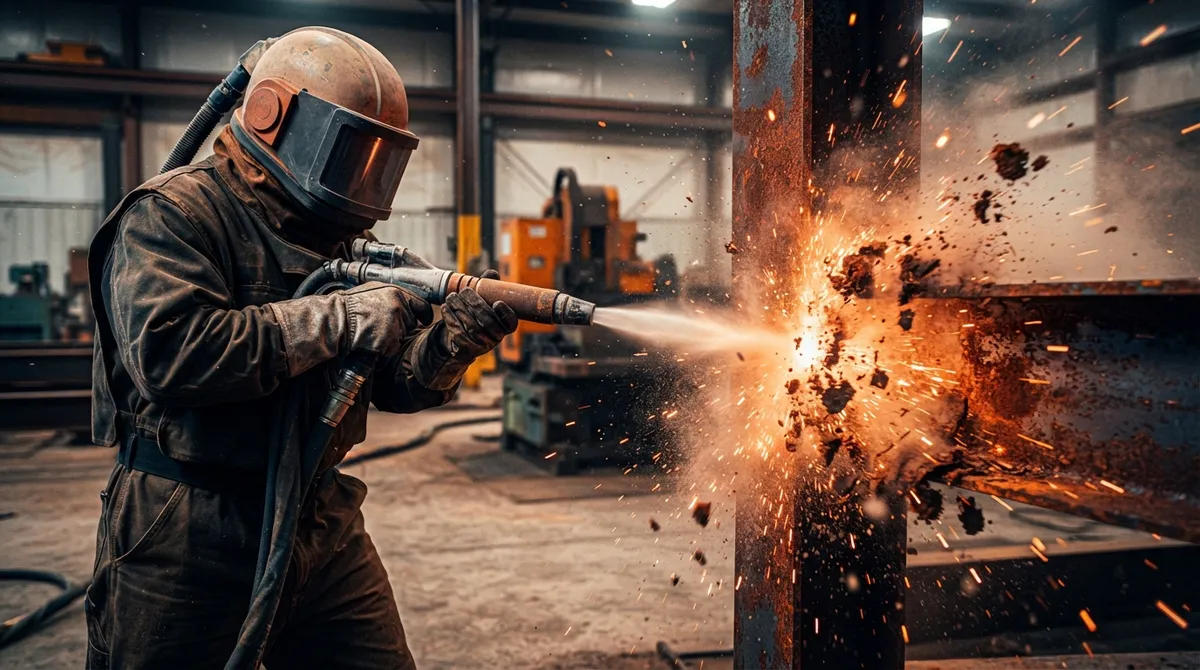
When people say “sandblasting,” they usually picture actual sand shooting out of a hose. That’s mostly outdated. Modern mobile operators rarely use silica sand at all. Instead, they rely on safer, smarter media like steel grit, aluminum oxide, glass beads, crushed walnut shell, or even baking soda, depending on the surface.
This shift matters. Traditional silica sand is heavily restricted or banned in many places because of the serious health risks it poses. Breathing in fine silica dust over time can cause silicosis and increase the risk of lung cancer, which is why the industry moved toward safer alternatives years ago. You can read more about the history and mechanics of the process on what is sandblasting if you’re curious about the technical side.
So when we talk about “sandblasting” now, we really mean abrasive blasting as a whole. The term stuck around because it’s familiar, but the media has evolved for the better.
Why the Media Matters More Than the Name
Not every surface can handle the same treatment. A rusted steel beam needs something aggressive. A fiberglass boat hull needs something gentle. That’s the whole philosophy behind good mobile blasting work: we match the blast to your surface, not the other way around.
- Steel grit: aggressive, reusable, ideal for heavy rust and thick industrial coatings
- Aluminum oxide: fast-cutting and versatile, a favorite for automotive and workshop use
- Glass beads: gentler, good for polishing and light cleaning
- Walnut shell or soda: soft enough for fiberglass, wood, and delicate trim
- Water-based dustless systems: great for dust control near homes or businesses
Top Reasons Why Choose Sandblasting for Your Project
There are plenty of ways to clean or strip a surface. Pressure washing, chemical strippers, wire brushes, sanding discs. So why does sandblasting keep winning out for so many jobs? Here are the biggest reasons.
1. It’s Fast and Thorough
Hand-sanding a rusted gate can take hours and still miss rust hiding in seams and corners. Blasting strips the entire surface at once, reaching every nook without the elbow grease. For anyone comparing methods, our post on blasting versus hand tools for steel prep breaks down the time and quality difference in detail.
2. It Creates a Deep Anchor Pattern
This is a big one for anyone planning to repaint or recoat a surface. Sandblasting doesn’t just clean, it roughs up the surface at a microscopic level. That texture is called an anchor pattern, and it gives paint, powder coat, or epoxy something to grip onto. Without it, coatings peel and fail early, especially in Florida’s heat and humidity.
3. It Handles Heavy Rust and Thick Coatings
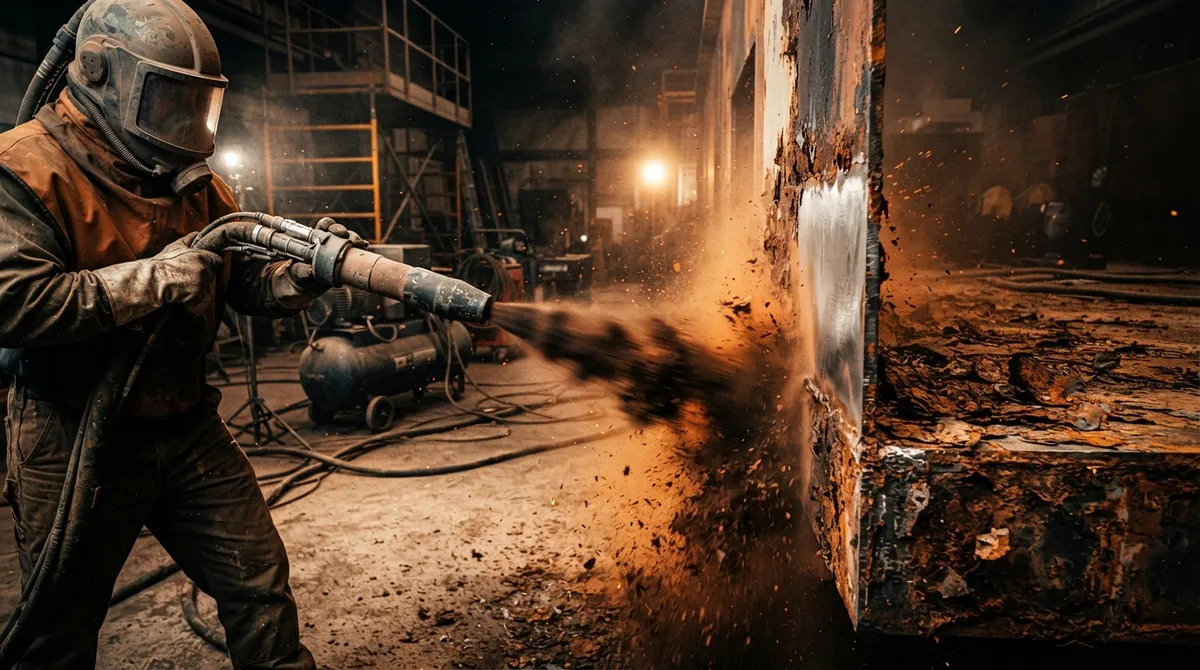
Ship hulls, industrial tanks, structural steel, old fences. These jobs involve years of buildup that other methods simply can’t touch. Sandblasting has the raw power to cut through it, which is why it remains the top choice for heavy-duty surface prep across marine, industrial, and commercial work.
4. Modern Media Is Safer and Reusable
Unlike old-school silica sand, many of today’s abrasives can be collected and reused multiple times. This keeps costs down and reduces waste, which is a win for both your wallet and the environment.
5. It Works On-Site, Wherever You Are
This is where mobile blasting really shines. You don’t have to load up a boat trailer or haul heavy equipment to a shop. We come to you, fully mobile and self-contained, whether that’s a driveway in Brandon, a dock in Clearwater, or a job site in Ocala.
Sandblasting Compared to Other Surface Prep Methods
It helps to see how sandblasting stacks up against other common methods side by side.
| Method | Speed | Surface Reach | Best For |
|---|---|---|---|
| Sandblasting | Fast | Full coverage, including corners and seams | Heavy rust, thick coatings, large surfaces |
| Hand sanding | Slow | Limited, misses tight spots | Small touch-ups, detail work |
| Pressure washing | Moderate | Good for loose debris, weak on rust | Dirt, mold, light staining |
| Chemical stripping | Slow, needs dwell time | Good on flat surfaces | Paint removal on wood or metal |
If you’re weighing options for a concrete driveway or patio, our detailed comparison in sandblasting versus pressure washing for concrete is worth a read before you decide.
Where Mobile Sandblasting Gets Used Most
Because it’s so versatile, sandblasting shows up in nearly every corner of Tampa Bay life. Here’s a quick rundown of common applications we see across the region.
- Marine surfaces: boat hulls, trailers, docks, and hardware needing rust or old antifouling paint removed. See our marine blasting services for specifics.
- Automotive restoration: frames, body panels, and wheels stripped back to bare metal for classic car projects. Check out automotive blasting for more.
- Industrial equipment: tanks, structural steel, and heavy machinery needing weld prep or coating removal, detailed on our industrial blasting page.
- Commercial properties: graffiti removal, storefront cleaning, and parking lot prep, covered under commercial blasting services.
- Residential projects: fences, railings, pool decks, and patios, explained further on our residential blasting page.
A Quick Look at Common Residential Jobs
Homeowners across Riverview, Valrico, and Plant City often reach out for similar projects. Rusted wrought iron railings are a classic example, and we’ve covered how to bring them back properly in restoring wrought iron railings the right way. Pool decks are another frequent request, and prepping them correctly before resurfacing makes all the difference, as explained in pool deck prep for resurfacing.
Why Mobile Matters as Much as the Media
Traditional sandblasting often happened in an enclosed booth. That works fine for small parts, but it’s not practical for a 40-foot boat or a steel beam already welded into place. Mobile blasting solves that problem by bringing the equipment to the surface instead of the other way around.
Our setup includes durable, portable gear: pressure pots that hold up to 100 pounds of media, 50-foot hoses, and flexible whip ends that let us maneuver into tight spaces. We bring our own power and water too, so we’re never dependent on what’s available at your location.
Working outdoors does mean managing variables that a booth never has to deal with, like wind and weather. That’s why containment and dust control are such a big part of the job. We protect the surrounding area with tarps, barriers, and, when needed, water-based dustless systems that virtually eliminate the dust cloud altogether. If you want to see how that technology works, our article on what makes dustless blasting so effective covers it well.
Steps We Follow on Every Job
Consistency matters, especially when you’re inviting a blasting crew onto your property or job site. Here’s how we approach nearly every project, no matter the size.
- Walkthrough: We look at photos or visit in person to figure out the right media for your surface.
- Free estimate: You get a clear, written price the same day, and that’s the price you pay.
- Blast and strip: We protect the surrounding area, then blast the surface clean on-site.
- Ready to finish: The surface comes out clean, bare, and ready for the next step, whether that’s paint, primer, or a protective coating.
Choosing the Right Abrasive for Your Job
One of the most common questions we get is which media is actually best. The honest answer is: it depends entirely on the surface and the goal. Here’s a simple breakdown to help you understand the options.
| Media Type | Best Surfaces | Notes |
|---|---|---|
| Steel grit | Structural steel, heavy machinery, thick rust | Aggressive, reusable, long-lasting |
| Aluminum oxide | Automotive parts, tools, general workshop use | Fast-cutting, versatile, widely considered the best all-around choice |
| Glass beads | Polishing, light cleaning, stainless steel | Gentle finish, low surface damage |
| Soda or walnut shell | Fiberglass, wood, gelcoat, soft trim | Low pressure, minimal risk of warping or gouging |
This is exactly why we always say the right media for the job matters more than sticking to one method for everything. A one-size-fits-all approach just doesn’t hold up when you’re working across marine, automotive, industrial, and residential surfaces in the same week.
Is Sandblasting Right for Your Situation?
Not every job needs blasting. Light dirt or mildew on a patio might just need a good pressure wash. But if you’re dealing with any of the following, sandblasting is almost always the better call:
- Heavy rust that hand tools can’t fully remove
- Old paint or coatings that need to come off completely before recoating
- Graffiti that’s soaked into concrete or masonry
- Surfaces with tight corners, seams, or detailed ironwork
- Large areas where speed and consistency really matter
If graffiti removal is on your radar, our guide on graffiti removal facts Tampa property owners need covers what to expect. And if you’re prepping a surface before a commercial coating job, surface prep steps before commercial coating walks through the process in detail.
A Growing Industry With Real Demand
Mobile blasting isn’t a niche service anymore. Industry researchers project continued growth in the mobile sandblasting market through the next decade, driven by demand across industrial maintenance, construction, and surface treatment sectors. That growth reflects what we see firsthand here in Tampa Bay: more property owners and contractors recognizing that proper surface prep saves money down the road by making coatings last longer.
Why Local Experience Matters in Florida
Florida’s climate is uniquely hard on surfaces. Salt air along the coast accelerates rust. Humidity keeps moisture trapped against metal and wood. UV exposure breaks down old coatings faster than in drier climates. That combination means surface prep here has to be done right the first time, or you’ll be redoing it within a year or two.
At Blastworx, we’ve worked on everything from boat docks in Clearwater to structural steel in Orlando to backyard fences in Brandon. We’re fully insured, and when you call, you’re talking directly to the people doing the work, not a call center or a subcontractor. You can always see what our customers are saying about us on Google to get a sense of how we handle jobs across the region.
Common Mistakes to Avoid
Even a great method like sandblasting can go wrong if it’s rushed or handled by someone without the right experience. Watch out for these common missteps:
- Using the wrong media on a delicate surface, causing warping or pitting
- Skipping containment, which lets dust drift into pools, landscaping, or neighboring properties
- Blasting vinyl fencing, which is too fragile and easily damaged
- Rushing the walkthrough step and misjudging the right approach for the job
We’ve written more about these pitfalls in mistakes to avoid with residential sandblasting in Riverview, which is worth a look before hiring anyone for a home project.
Bringing It All Together
So why choose sandblasting over other methods? Because it’s fast, thorough, and adaptable to nearly any surface, from a rusted gate to a full boat hull. Modern media has made the process safer and smarter than it used to be, and mobile equipment means the work happens right where you need it, whether that’s your driveway, your dock, or your job site.
If you’ve got a project that needs real surface prep, not just a quick clean, we’d love to talk it through with you. Reach out for a free estimate and let’s figure out the right media and plan for your surface, or give us a call to chat about your project today. We proudly serve Tampa, Clearwater, Sarasota, Ocala, Orlando, Fort Myers, and everywhere in between across the central Florida corridor.
FAQs
Q: Is sandblasting still used in mobile blasting today?
A: Absolutely, it’s still one of the most popular methods out there. The name stuck around, but the media has changed a lot, so today’s sandblasting is safer and more effective than ever.
Q: What is the best abrasive media for heavy rust removal?
A: Steel grit is usually the go-to choice for heavy rust because it’s aggressive and reusable. That said, we always match the media to your specific surface, so the real answer depends on what you’re working with.
Q: Why is silica sand banned for sandblasting?
A: Silica dust can cause serious lung damage over time, including silicosis and even lung cancer. That’s why the industry moved toward safer alternatives like aluminum oxide, glass beads, and soda years ago.
Q: How does mobile sandblasting differ from booth sandblasting?
A: Booth blasting happens in an enclosed space, which works great for small parts but not for a boat hull or a steel beam already in place. Mobile blasting brings the equipment to you, so we handle containment and dust control on-site instead.
Q: Does sandblasting create a deep anchor pattern for coatings?
A: Yes, and that’s actually one of its biggest benefits. That rough texture gives paint or coatings something to grip onto, which helps them last much longer, especially in Florida’s tough climate.





