
Key Takeaways
-
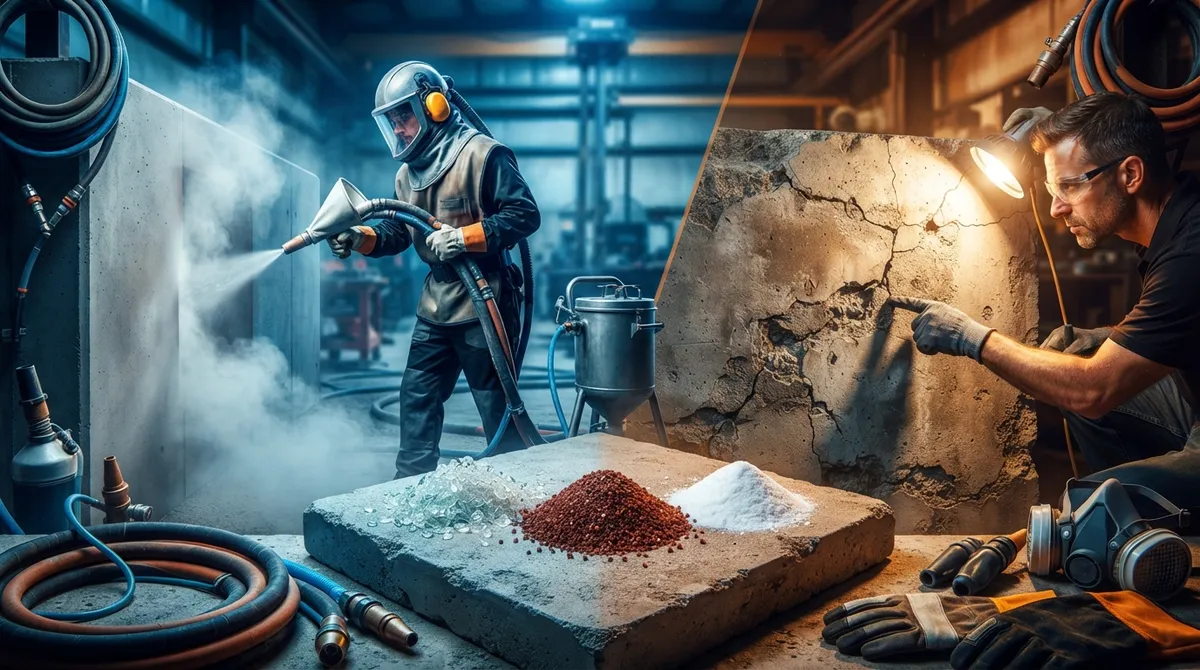
Always perform a test blast on a small patch first to confirm the correct pressure and media before committing to the entire surface, preventing costly mistakes like over-aggressive blasting.
-
Use wet blasting or dustless methods to control silica dust exposure, which comes from the concrete itself even when abrasives are silica-free, and comply with OSHA’s 50 micrograms per cubic meter exposure limit.
-
Match the blast profile to your specific finish: brush blast for sealers, intermediate blast for standard coatings, and thorough blast for heavy coatings or structural repairs per SSPC-SP 13/NACE No. 6 standards.
-
Inspect concrete condition for cracks, spalling, or weak spots before blasting, as excessive pressure on damaged concrete can worsen structural problems instead of fixing them.
-
Choose the right abrasive media for your surface: recycled glass or garnet for standard work, baking soda for delicate decorative concrete, and avoid plain silica sand due to health restrictions and availability of safer alternatives.
-
Hire mobile blasting contractors who bring equipment on-site rather than shop-only services, and apply coatings within the manufacturer’s specified recoat window to prevent dust and contaminant resettlement.
So you’re staring at a concrete surface that needs some love, and you’re thinking about sandblasting it. Maybe it’s a pool deck, a driveway, or a warehouse floor with old paint that won’t quit. Here’s the good news: sandblasting concrete is one of the best ways to get that surface truly ready for whatever comes next. But here’s the thing we’ve learned after years of doing this work across Tampa Bay, plenty of good projects go sideways because of small, avoidable mistakes.
We’re Blastworx, and we spend our days matching the right blasting method to the right surface, all across central Florida. We’ve seen cracked concrete get damaged by too much pressure, and we’ve seen perfectly good coatings peel off because the prep wasn’t right. So let’s walk through the mistakes we see most often, and how to steer clear of them. By the end, you’ll know exactly what a proper sandblasting concrete job should look like.
Mistake 1: Assuming All Concrete Can Handle the Same Blast
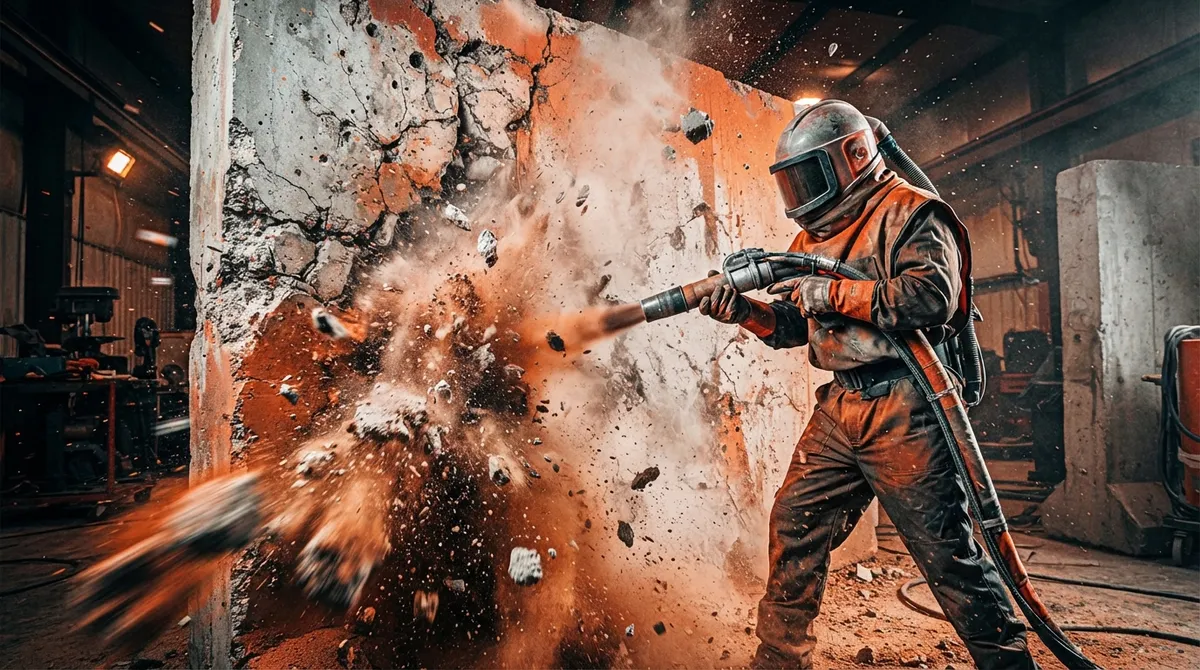
Every slab is different. Old, weathered concrete behaves differently than a newer pour. Decorative stamped concrete needs a much gentler touch than a plain garage floor. If you treat every surface the same way, you risk chewing up something that only needed a light cleaning.
We always get a free estimate conversation started by asking about the concrete’s age, condition, and what it’s being prepped for. That tells us everything about how to approach the job.
Mistake 2: Skipping the Test Area
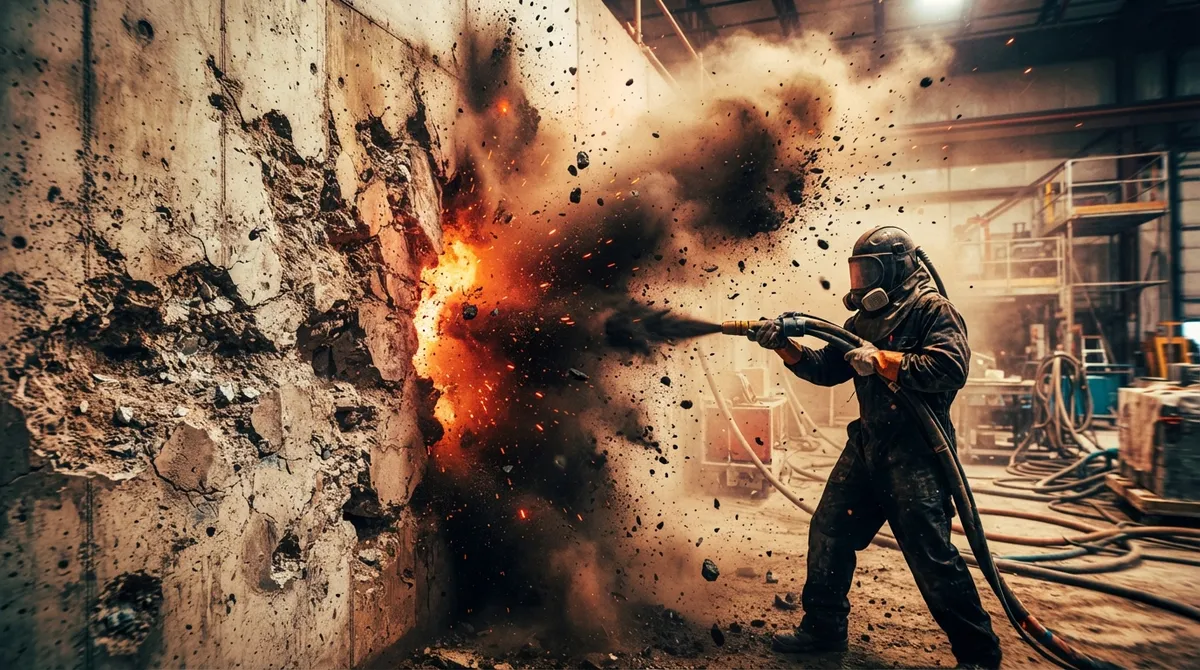
This one trips up a lot of DIY folks and even some contractors in a hurry. Blasting a small test patch first tells you exactly what profile and finish you’ll get before committing to the whole surface. Skip this step, and you might discover halfway through that the pressure was too aggressive, or not aggressive enough.
A test patch takes minutes. Redoing an entire driveway or patio doesn’t.
Mistake 3: Using the Wrong Abrasive Media
Here’s a fact that surprises people: plain silica sand is actually restricted or banned for a lot of blasting work these days because of the health risks. Most professional mobile blasting crews, including us, use lower-silica or non-silica options like recycled glass, garnet, or other mineral abrasives instead.
The media you choose changes everything about the outcome. Softer media cleans gently. Harder, angular media cuts faster and opens up a rougher profile. We always say we match the blast to your surface, not the other way around, and picking the right media is where that starts.
Common Abrasive Options for Concrete
- Recycled glass, a popular lower-silica choice for general cleaning
- Garnet, known for a more aggressive cut on tough coatings
- Baking soda media, gentle enough for delicate or decorative concrete
- Coal slag or mineral abrasives, often used for heavier industrial jobs
Mistake 4: Ignoring the Concrete’s Condition Before Blasting
Cracked, spalling, or structurally weak concrete needs an inspection first. Blasting over hidden cracks or soft spots can make problems worse, not better. A good contractor checks the slab’s strength and condition before ever pulling the trigger.
If you’re prepping a pool deck for resurfacing, this step matters even more. Check out our guide on how to prep a pool deck for resurfacing the right way for more on this.
Mistake 5: Not Controlling Dust and Silica Exposure
This is a big one, and it’s not just about comfort. According to OSHA’s guidance on crystalline silica, blasting concrete releases silica dust even when the abrasive itself doesn’t contain silica. That’s because the concrete itself has silica in it.
OSHA’s construction standard, 29 CFR 1926.1153, sets a permissible exposure limit of 50 micrograms per cubic meter over an 8-hour average, with an action level of 25 micrograms. Professional crews use wet blasting, vacuum-assisted systems, containment, and respiratory protection to keep exposure well under control. This isn’t optional, it’s how responsible mobile blasting gets done.
Mistake 6: Choosing Dry Blasting When Wet Blasting Makes More Sense
Wet blasting and dustless blasting methods knock dust down significantly and are often the better call for jobs near homes, pools, or busy commercial areas. Dry blasting has its place too, especially where moisture control matters for the coating going on afterward. The key mistake is not thinking it through.
We’ve written more about this exact question in our piece on what makes dustless blasting in Tampa so effective, if you want to dig deeper.
Mistake 7: Not Matching the Blast Profile to the Finish
Are you prepping for a sealer? An epoxy coating? A concrete overlay? Each of these needs a different surface profile. The SSPC-SP 13/NACE No. 6 standard breaks concrete blast cleaning into three levels: brush blast, intermediate blast, and thorough blast cleaning. Getting this wrong means your coating might not bond right, or you’ve over-prepped a surface that only needed a light touch.
| Blast Level | Description | Best For |
|---|---|---|
| Brush Blast (SP CAB-3) | Light cleaning, minimal texture change | Sealers, light coatings |
| Intermediate Blast (SP CAB-2) | Moderate profile, removes more surface material | Standard coatings, some overlays |
| Thorough Blast (SP CAB-1) | Aggressive profile, opens pores fully | Heavy coatings, structural repairs |
Mistake 8: Forgetting to Check for Contaminants First
Oil stains, old sealers, form-release residue, mildew, efflorencse, these all need to be identified before blasting starts. Some contaminants need extra passes or a different approach entirely. Skipping this inspection often means the surface still isn’t truly clean once you’re done.
Mistake 9: Not Protecting the Surrounding Area
Blasting kicks up abrasive and debris. Without proper containment, you risk overspray hitting cars, landscaping, windows, or a neighbor’s property. We always protect the surrounding area before we start, using tarps, barriers, and careful containment planning.
This matters even more for tight residential spaces. Our article on mistakes to avoid with residential sandblasting in Riverview covers a lot of this ground.
Mistake 10: Hiring a Shop-Only Contractor for an On-Site Job
Not every concrete job can be hauled off to a shop. Parking lots, pool decks, and foundations obviously stay put. Mobile blasting means the equipment comes to you, saving time, avoiding demolition, and cutting down on downtime. If a contractor can’t work on location, that’s a mismatch for most concrete projects.
We’re set up to be fully mobile and self-contained, so we bring our own power and water and work wherever your project is, from Tampa to Ocala to Fort Myers.
Mistake 11: Rushing the Coating or Sealer Application
Once concrete is blasted clean, there’s usually a window of time before it needs to be coated or sealed. Wait too long, and dust, moisture, or contaminants can settle back onto the surface. Manufacturers specify recoat windows for a reason, and ignoring that timeline undoes a lot of the hard work.
Mistake 12: Overlooking Wastewater and Spent Media Cleanup
Responsible cleanup isn’t just good manners, it’s part of doing the job right. Spent abrasive and runoff need to be handled properly, especially near storm drains or waterways. A professional crew always plans for this before the first blast even happens.
Mistake 13: Trying to DIY a Job That Needs Professional Equipment and Training
Renting a blaster for a weekend project sounds tempting, but concrete blasting involves real risks: silica exposure, equipment control, and the very real chance of damaging the surface you’re trying to fix. Professional crews train for this. They also carry the right containment, ventilation, and protective gear that most homeowners simply don’t have access to.
OSHA even requires medical exams for workers who wear respirators 30 or more days a year, which tells you something about how seriously this industry takes exposure control. If you’re on the fence, it’s worth reading more about what is sandblasting and the safety considerations involved before attempting it yourself.
How Sandblasting Concrete Compares to Other Prep Methods
People often ask if sandblasting beats pressure washing or grinding for concrete prep. Honestly, it depends on the job. Here’s a quick breakdown:
- Sandblasting: Removes coatings, laitance, and contaminants while creating a texture profile for bonding. Best for coating prep and heavier removal jobs.
- Pressure washing: Great for surface cleaning but doesn’t create the same bonding profile or remove deep contaminants.
- Grinding: Works well for flattening and smoothing but can struggle with uneven or textured surfaces.
- Shot blasting: Often used for large flat industrial floors, but less flexible for detailed or vertical work.
We break this comparison down further in our post on sandblasting vs. pressure washing for concrete, which is worth a read if you’re still deciding.
What a Proper Mobile Concrete Blasting Job Looks Like
When it’s done right, here’s the process, at least how we handle it:
- We inspect the concrete’s condition and figure out the goal, whether it’s a coating, repair, or resurfacing.
- We test a small area to confirm the right media and pressure.
- We set up containment to protect the surrounding property.
- We blast the surface, using wet or dustless methods when needed to control silica.
- We clean up spent media and leave the surface ready for the next step.
This is the same four-step approach we use across our commercial and residential blasting work throughout central Florida.
Why Mobile Blasting Makes Sense for Concrete Work
Concrete doesn’t move. Parking lots, driveways, and pool decks stay right where they are, so bringing the equipment to the site just makes sense. It cuts down on demolition, saves time, and keeps your project moving without shipping materials back and forth.
We’ve handled everything from small residential patios to larger commercial parking areas across our service areas, including Tampa, Clearwater, Sarasota, Ocala, Orlando, and Fort Myers. You can see some of that work for yourself in our gallery.
Ready to Get Your Concrete Project Started
Sandblasting concrete the right way takes planning, the right media, and a crew that knows how to protect both the surface and the surrounding area. Avoid these thirteen mistakes, and you’ll end up with a surface that’s clean, sound, and ready for whatever finish comes next.
If you’re ready to talk through your project, we’d love to hear from you. Give us a call and let’s figure out the right approach for your concrete. You can also visit us on Google and see what our customers are saying about us before you decide. We’re Blastworx, we come to you, and you’ll always talk to the people actually doing the work.
FAQs
Q: What is sandblasting concrete used for?
A: It’s mainly used to strip away old coatings, paint, oil stains, and weak surface material before repairs, resurfacing, or new coatings go on. Think of it as giving the concrete a clean slate so whatever you apply next actually sticks around.
Q: Is sandblasting safe for old or cracked concrete?
A: It can be, but it needs a gentler touch and a careful eye. We always inspect the slab first and test a small area, because too much pressure on weak concrete can cause more harm than good.
Q: What abrasive is safest for blasting concrete?
A: Plain silica sand isn’t the go-to choice anymore because of health risks. Most pros, us included, use recycled glass, garnet, or other lower-silica media that gets the job done without the extra hazard.
Q: How much does mobile sandblasting concrete cost?
A: It really depends on the size of the area, the condition of the concrete, and what finish you’re prepping for. The best way to know for sure is to reach out for a free estimate, we’ll walk the site or review photos and give you a straight answer.
Q: Is sandblasting better than pressure washing for concrete prep?
A: It depends on your goal. Pressure washing is great for a quick surface clean, but sandblasting removes deeper contaminants and creates the bonding profile that coatings and overlays actually need to last.





