
Key Takeaways
-
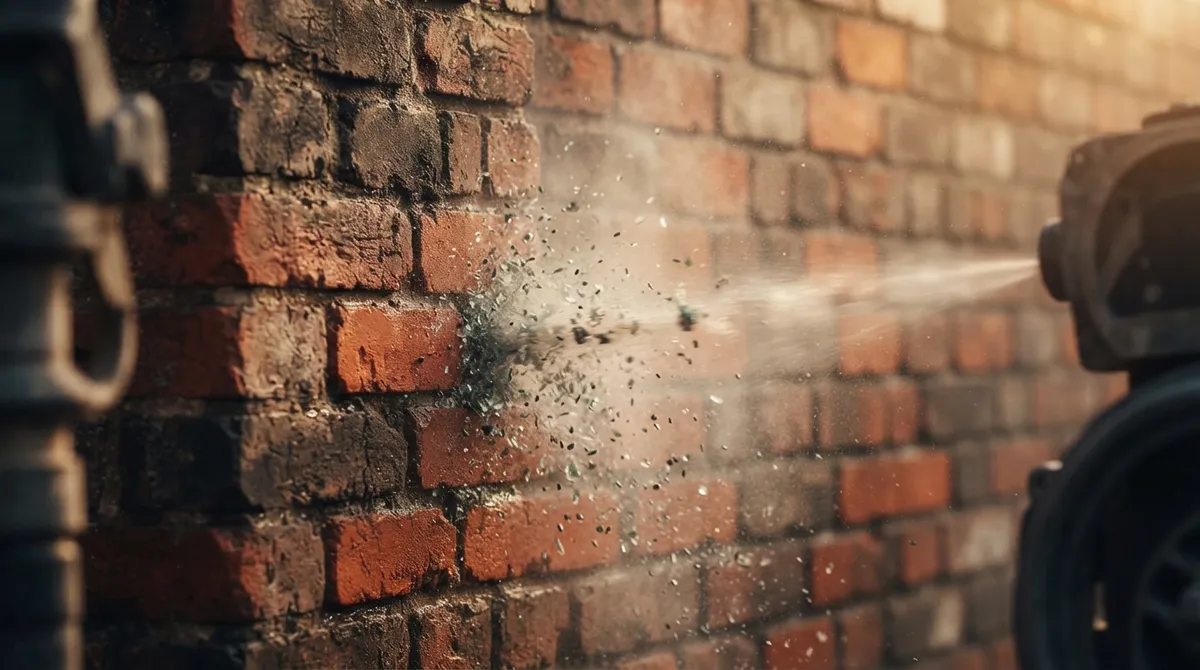
Avoid traditional dry silica sand on brick as it erodes the fired face, softens mortar joints, and creates hazardous respirable silica dust; use gentler alternatives like soda blasting, crushed glass, or fine mineral abrasives instead.
-
Always perform a test patch on an inconspicuous area first to determine the right media, pressure, nozzle distance, and dwell time before full-scale blasting to prevent permanent damage.
-
Mortar joints are significantly softer than brick and can be permanently damaged by incorrect pressure or media; careful contractor monitoring and adjustment during blasting is essential to maintain structural integrity.
-
Lead paint on pre-1978 brick requires EPA-compliant testing and lead-safe practices; abrasive blasting of lead paint without HEPA local-exhaust control is federally prohibited in covered situations.
-
Dustless or wet blasting dramatically reduces airborne silica dust exposure compared to dry methods, though respiratory protection and containment are still necessary to meet OSHA permissible exposure limits.
-
Sometimes blasting isn’t the best solution; chemical cleaning, steam cleaning, or low-pressure washing may deliver better results with less risk depending on brick type and surface contaminants.
So you’ve got a brick wall, chimney, or patio that’s seen better days. Maybe it’s covered in old paint, soot, mildew, or that weird patchy look from years of Florida weather. Brick sandblasting sounds like the obvious fix, right? Blast it clean, done. But here’s the thing: brick is a lot more delicate than it looks, and doing it wrong can leave you with permanent damage instead of a fresh, clean wall. We’ve spent years running mobile blasting jobs across Tampa Bay, and brick is one of those surfaces that really rewards a careful, informed approach. Let’s walk through the facts you actually need before you book this job, so you end up with a wall you’re proud of instead of one you regret.
1. Brick Sandblasting Is About More Than Just “Blasting It Clean”
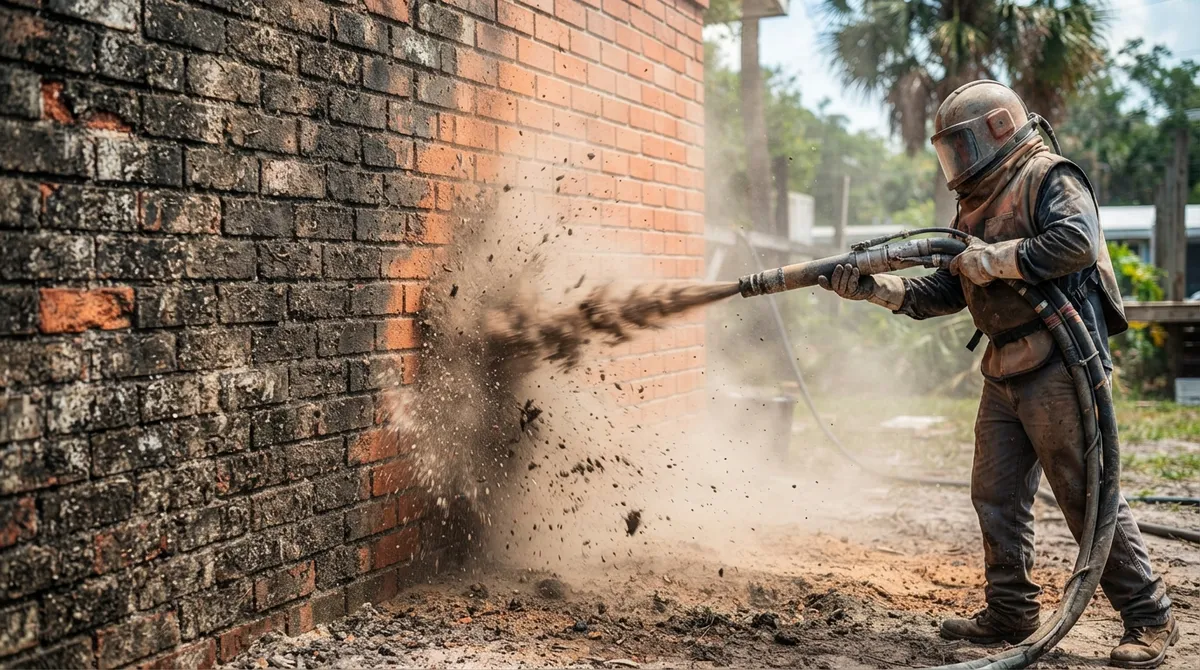
Brick sandblasting is an abrasive-cleaning process. A blasting medium gets propelled at the brick surface to remove dirt, soot, paint, mortar residue, and efflorescence (that chalky white buildup you sometimes see). A good mobile blasting contractor brings the compressor, blast pot, hoses, containment gear, and cleanup equipment right to your property. That means no hauling brick anywhere, and no mess left behind when we pack up.
2. Plain Sand Is Usually the Wrong Choice
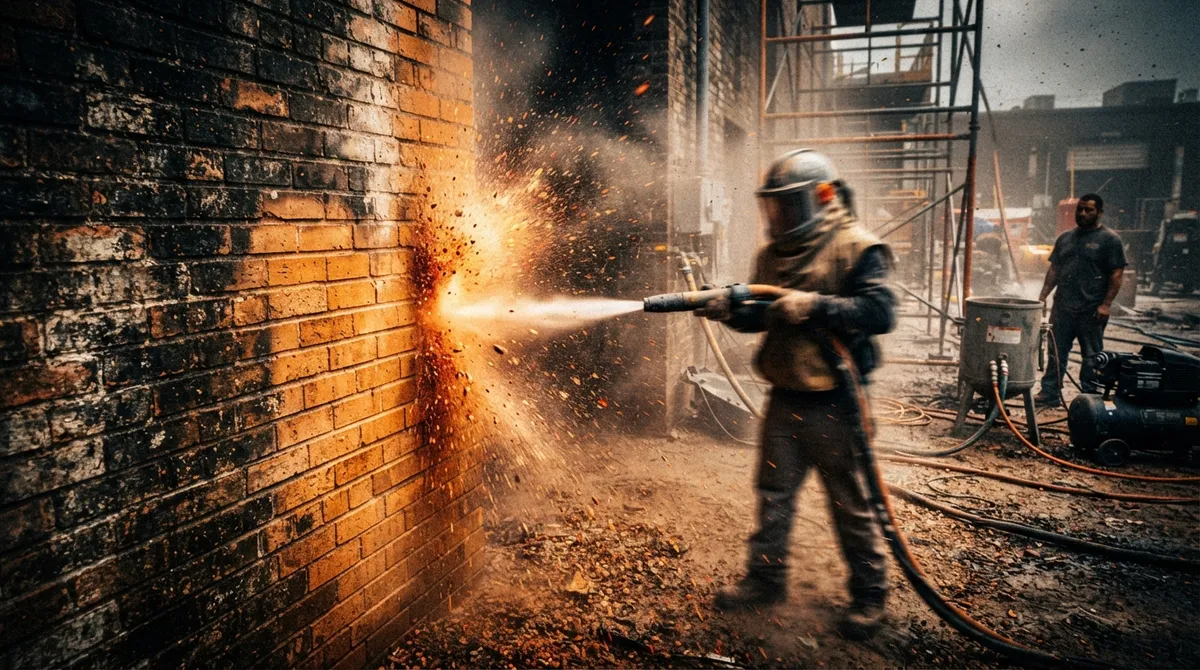
Here’s something a lot of homeowners don’t know: traditional dry silica sand is often a poor pick for brick. It can erode the brick’s fired face, soften mortar joints, and leave an uneven, blotchy look. It also kicks up hazardous respirable silica dust, which is a real health concern for anyone nearby. We match the blast to your surface, not the other way around, which usually means reaching for gentler options instead.
3. Gentler Media Options Exist for a Reason
Professional contractors have a whole toolbox of media to choose from depending on your brick and its condition. Consider these common alternatives:
- Fine mineral abrasives for a balanced clean without heavy erosion
- Crushed glass, which cuts through grime while being gentler on the surface
- Sodium bicarbonate (soda blasting), a soft, low-aggression option great for delicate brick
- Dry ice, which sublimates and leaves no secondary media to clean up
- Sponge media, designed to lift coatings without gouging the surface
- Wet abrasive blasting, which cuts dust dramatically while cleaning effectively
Picking the right one is honestly the most important decision in the whole project. If you want to see how this plays out on other tricky surfaces, check out our post on how to choose between soda blasting vs sandblasting.
4. Always Test a Small Area First
Before any full-scale blasting happens, brick should get a test patch in an inconspicuous spot. This test helps figure out:
- Which media works best for your specific brick
- The right nozzle pressure
- Proper blasting distance and angle
- How long the blast should dwell in one spot
- Whether the brick and mortar can handle it without exposing aggregate or creating grooves
Skipping this step is how people end up with a wall that looks worse after cleaning than before.
5. Older and Historic Brick Needs Extra Care
Soft historic brick, handmade brick, glazed brick, and brick with decorative detailing are all more fragile than modern brick. If your mortar is already deteriorating, or the brick has been sandblasted before, aggressive methods can cause real harm. In these cases, low-pressure washing, chemical cleaning, or steam cleaning might be a smarter route than blasting at all. We’re always upfront about this, because our goal is getting your surface back to clean, sound material, not just clean at any cost.
6. Mortar Joints Are the Weak Link
Mortar is almost always softer than the brick itself. If pressure and media aren’t dialed in correctly, blasting can dig grooves into mortar joints, weakening the whole wall structurally over time. A careful contractor watches this closely and adjusts on the fly. This is exactly why the test-patch step matters so much.
7. Site Containment Protects More Than Just the Brick
Mobile blasting work isn’t just about the wall, it’s about everything around it too. A responsible contractor protects windows, doors, landscaping, vehicles, neighboring properties, HVAC openings, and foot traffic areas. We contain the mess and control dust and rebound so your yard, pool, or driveway doesn’t end up covered in spent media. Cleanup afterward should leave the site completely free of hazardous residue.
8. Lead Paint Changes the Whole Game
If your brick was painted before 1978, there’s a real chance lead paint is involved. The EPA’s Renovation, Repair and Painting rule generally applies to paid work disturbing more than 6 square feet of interior painted surface, or more than 20 square feet of exterior painted surface, in pre-1978 homes and child-occupied facilities. Contractors doing this kind of work need proper training and certification, plus lead-safe practices throughout the job.
Federal guidance commonly references 0.5% lead by weight in a dried paint film as a regulatory threshold, and HUD also uses 1.0 milligram of lead per square centimeter for certain hazard determinations. Regulations under 24 CFR §35.140 actually prohibit abrasive blasting of lead-based paint without HEPA local-exhaust control in covered situations. This isn’t the kind of thing you want to guess about, so ask your contractor directly about lead testing before work starts.
9. Silica Dust Is a Serious Health Concern
OSHA’s construction silica standard (29 CFR 1926.1153) sets a permissible exposure limit of 50 micrograms of respirable crystalline silica per cubic meter of air, averaged over 8 hours, with an action level of 25 micrograms. Abrasive blasting is specifically called out by OSHA as a task that generates this kind of dust. That means employers need a written exposure-control plan, proper training, and respirators when other controls can’t keep exposure low enough. You can read more directly from OSHA’s own guidance on respirable crystalline silica if you want the full details.
10. Wet Blasting Cuts Dust, But Doesn’t Eliminate All Risk
An EPA field demonstration found that wet abrasive blasting could remove lead-containing paint from brick and wood with minimal or no substrate damage in tested conditions. However, personal breathing-zone lead levels were still around three times the applicable permissible exposure limit in that study. The takeaway? Even effective methods still need containment and respiratory protection. There’s no shortcut around doing this safely.
11. Not Every Job Needs Blasting At All
This might surprise you, but sometimes blasting isn’t the best answer. Depending on your brick’s condition and what’s on it, options like chemical cleaning, steam cleaning, or low-pressure washing might actually get better results with less risk. A good contractor tells you this honestly, even if it means a smaller job. We’d rather give you the right recommendation than push a service that isn’t right for your wall.
12. Dustless Blasting Is a Great Fit for Many Brick Jobs
Dustless blasting blends water with the abrasive media, dramatically cutting airborne dust while still delivering effective cleaning. It’s especially useful for occupied homes, businesses that can’t shut down, or neighborhoods where dust control really matters. If you’re curious how this method performs across different surfaces, our article on what makes dustless blasting in Tampa so effective breaks it down further.
13. Pricing Depends on a Lot of Variables
There’s no single nationwide price for brick sandblasting, and honestly, anyone who quotes you a number without seeing the job first should raise an eyebrow. Pricing depends on:
| Factor | Why It Matters |
|---|---|
| Square footage | More surface area means more time and media |
| Height and access | Multi-story walls or tight spaces require extra equipment |
| Brick condition | Soft or damaged brick needs gentler, slower methods |
| Coating thickness | Thick paint or multiple layers take longer to remove |
| Media selected | Soda and specialty media can cost more than sand |
| Containment needs | Protecting nearby structures adds setup time |
| Waste disposal | Lead paint removal requires special handling |
For a real number, you’ll want an on-site assessment and test patch. That’s honestly the only way to get an accurate quote. If you’d like to compare notes on how pricing works across different blasting jobs, our post on how much do sandblasting estimates really cost is a helpful read.
14. A Solid Estimate Should Cover These Details
Before hiring anyone for brick sandblasting, make sure your estimate identifies:
- Brick type and current condition
- Surface contaminants (paint, soot, efflorescence, etc.)
- Total square footage
- Selected media and pressure range
- Containment method for the job site
- Waste-handling plan, especially if lead paint is present
- Access requirements for equipment
- Any repointing or repairs needed afterward
Local air-quality, noise, wastewater, waste-disposal, and historic-preservation rules may also apply depending on where you live, so it’s worth asking your contractor about permits too.
15. Sealing After Blasting Protects Your Investment
Once your brick is clean, sealing it helps lock out moisture, resist future staining, and keep that fresh look for longer. This step gets your wall ready for the next phase, whether that’s painting, repointing, or simply enjoying a clean surface again. It’s a small step that makes a big difference in how long your results last.
If you want to understand the broader process behind what is sandblasting and how it’s used across different industries, that background can help you feel more confident going into your project.
Why Mobile Blasting Makes Sense for Brick Projects
One of the best parts of hiring a mobile blasting crew is that everything happens right at your property. There’s no need to move brick anywhere, no waiting on a shop schedule, and no guessing about how the finished product will look before it’s done. We’re fully mobile and self-contained, meaning we bring our own equipment and don’t need your power or water hookups. Whether you’re in Tampa, Clearwater, Brandon, Riverview, or anywhere across the central Florida corridor, that convenience saves real time and hassle.
At Blastworx, we’re an owner-operated team, which means when you call, you talk to the people actually doing the work. No middlemen, no confusion, just straight answers about your brick project. We serve residential properties and commercial buildings alike, and we’re fully insured for your peace of mind. Curious what folks in the area think of our work? You can visit us on Google — see what our customers are saying about us before booking your project.
Ready to Get Your Brick Looking Its Best?
Brick sandblasting done right takes patience, the correct media, and a genuine respect for how fragile brick and mortar can be. Skip the guesswork and let our experienced crew evaluate your wall, test the right approach, and give you an honest, written estimate the same day. Whether it’s a chimney, patio, or full exterior wall, we’ll match the blast to your surface and leave you with results that are ready for whatever comes next. Reach out today to get a free estimate, or if you’d rather talk it through first, give us a call and we’ll walk you through your options.
FAQs
Q: Is sandblasting safe for brick?
A: It can be, but only with the right media and pressure for your specific brick. Aggressive dry sand often damages the fired face and mortar joints, so we always test a small area first and adjust our approach based on what your brick can actually handle.
Q: What is the best blasting media for cleaning brick?
A: It really depends on your brick’s condition, but gentler options like soda blasting, crushed glass, or fine mineral abrasives usually outperform plain sand. We match the blast to your surface so you get a clean result without unnecessary wear and tear.
Q: Can mobile blasting remove paint from brick?
A: Yes, mobile blasting can remove paint from brick, though older painted surfaces need a lead check first. If lead paint is present, we follow proper safety practices and containment so the job gets done without unnecessary health risks.
Q: How much does mobile brick sandblasting cost?
A: Honestly, it varies a lot based on square footage, brick condition, coating thickness, and media choice. The best way to get an accurate number is a free, on-site estimate, which we’re happy to provide the same day you reach out.
Q: Does brick sandblasting damage mortar joints?
A: It can if the pressure and media aren’t dialed in correctly, since mortar is softer than brick. That’s exactly why we always run a test patch first, so we can find settings that clean effectively without eating into your mortar joints.





