
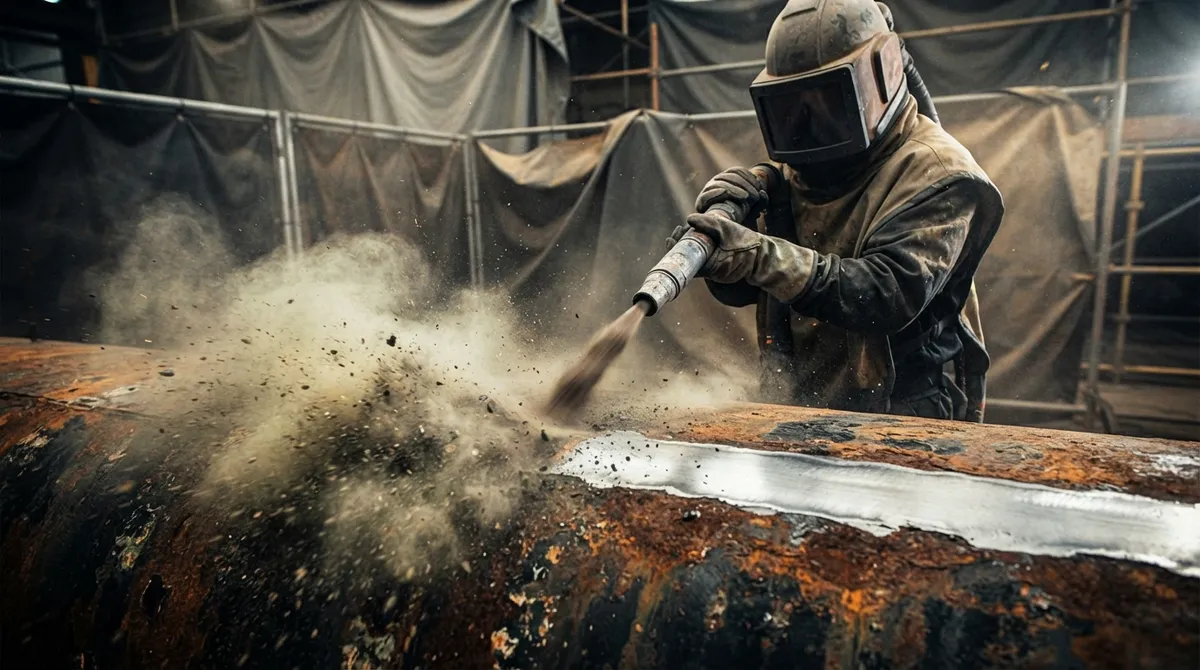
Key Takeaways
-
Match the abrasive media to your specific surface type—soft media like soda for wood and fiberglass, harder abrasives for steel and rust—as using the wrong media either damages delicate surfaces or fails to remove tough coatings.
-
Always conduct a pre-blast walkthrough to identify lead paint risks, substrate condition, nearby structures, and weather factors; this catches expensive problems early like hidden rust or fragile trim requiring special handling.
-
Understand industry finish standards (SSPC-SP 7 through SP-5) and match them to your coating system to avoid overpaying for unnecessary intensity or getting a surface too rough for your specific coating needs.
-
Plan proper dust and debris containment with tarps and barriers before work begins, as sandblasting dust can contain toxic metals and spreads easily; this protects neighbors, landscaping, and crew safety.
-
Hire experienced, insured contractors willing to explain their process rather than choosing the lowest bidder, as expertise prevents costly mistakes on lead-containing surfaces, delicate materials, and structural work.
-
Prepare the site by moving vehicles and equipment, protecting nearby pools and plants, and confirming access for larger equipment; then ensure proper surface inspection and cleanup after blasting before applying new coatings.
Old paint is stubborn. It hides in corners, clings to rust, and laughs at a sander. That’s exactly why so many folks in Tampa Bay call in mobile paint removal sandblasting instead of spending a weekend fighting it themselves. But here’s the thing: this job looks simple from the outside, and that’s exactly where people get tripped up. A few small missteps can turn a straightforward project into a costly redo, or worse, a safety headache.
We’ve put together this friendly guide to the ten most common mistakes people make with paint removal sandblasting. Whether you’re a homeowner eyeing a rusty fence or a business owner prepping steel for a new coat, this list will help you avoid the headaches and get a surface that’s truly ready for the next step. Let’s dig in together.
1. Assuming All Sandblasting Media Is the Same
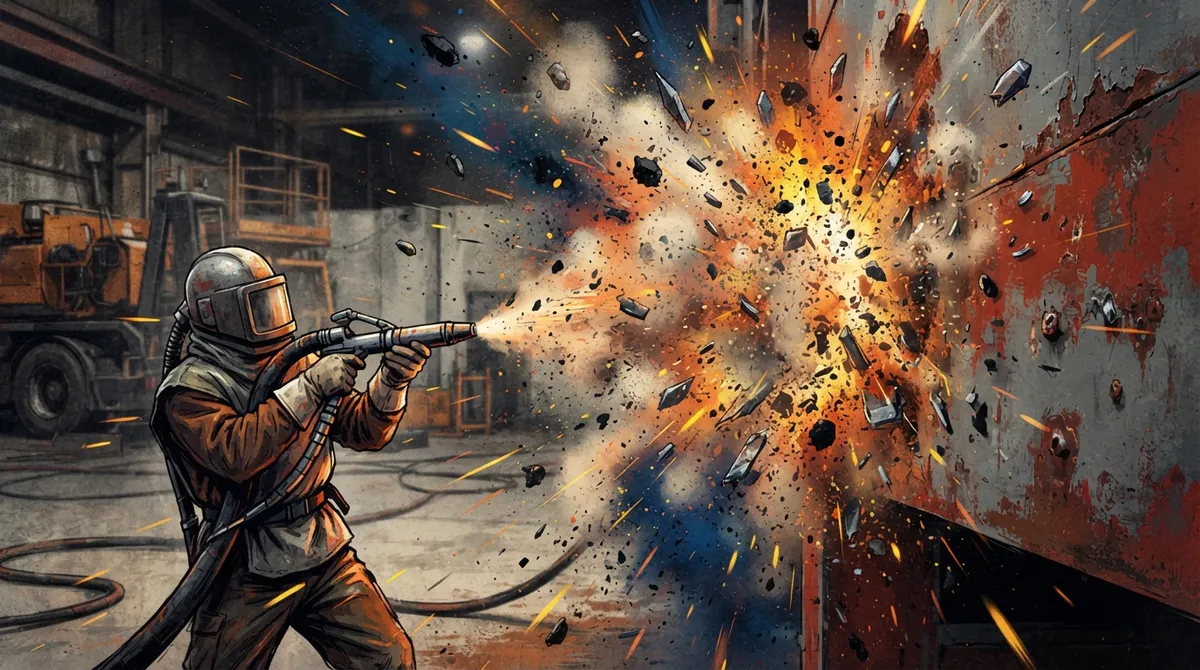
This is probably the biggest mistake we see. Some people think blasting is blasting, no matter what abrasive goes into the machine. That’s simply not true. The media you choose changes everything about the outcome.
Soft media like soda or walnut shell is gentle enough for fiberglass and wood. Harder abrasives are needed for steel and heavy rust. Picking the wrong one can damage a delicate surface or barely touch a tough one. We always say we match the blast to your surface, not the other way around, and that’s the golden rule of this whole trade.
2. Skipping the Walkthrough Before Blasting Begins
Jumping straight into blasting without a proper look at the site is asking for trouble. Every surface has its own quirks. Old paint layers, hidden rust, nearby landscaping, and even wind direction all matter.
A quick walkthrough, in person or through photos, helps a contractor plan the right approach. This step catches problems early, like lead paint concerns or fragile trim, before they become expensive surprises.
What a Good Walkthrough Covers
- Type of coating and how many layers are present
- Condition of the substrate underneath the paint
- Nearby plants, vehicles, or structures that need protection
- Access for equipment and power needs
- Weather conditions that could affect the work
3. Ignoring the Finish Standard You Actually Need
Not every job needs the same level of cleanliness. Believe it or not, there are industry standards for this. According to SSPC and NACE guidelines, surface prep is graded from brush-off blasting all the way up to white-metal cleaning. Each level suits a different coating system.
If you’re prepping steel for a heavy-duty industrial coating, you may need a near-white-metal finish. A porch railing headed for a fresh coat of paint doesn’t need that level of intensity. Skipping this conversation with your contractor means you might pay for more work than necessary, or get a finish that’s too rough for what comes next.
| Finish Level | Common Name | Typical Use |
|---|---|---|
| SSPC-SP 7 | Brush-Off Blast | Light coatings, general maintenance |
| SSPC-SP 6 | Commercial Blast | Most industrial and commercial coatings |
| SSPC-SP 10 | Near-White Metal | High-performance coatings, marine use |
| SSPC-SP 5 | White Metal | Critical service, extreme durability needs |
4. Forgetting About Lead Paint Risks
Older homes and structures, especially those built before 1978, may have lead-based paint. Blasting can turn that paint into fine dust, which is a real health hazard if it’s not handled correctly.
Illinois EPA guidance on lead paint removal recommends laying down impermeable ground cover, cleaning up debris daily, and stopping work when wind makes containment tricky. A responsible mobile blasting crew should always ask about the age of the structure and plan accordingly. This isn’t a step to shortcut, ever.
5. Not Planning for Dust and Debris Control
Paint removal sandblasting creates a lot of dust, some of it from the abrasive and some from the coating itself. OSHA’s guidance on abrasive blasting points out that this dust can contain toxic metals depending on what’s being removed. That’s why containment matters so much.
A good contractor will protect the surrounding area with tarps, barriers, or containment structures. This keeps neighbors happy, keeps pools and landscaping clean, and keeps the crew safe too. If a company shows up without a containment plan, that’s a red flag worth noting.
6. Using the Wrong Pressure for Delicate Surfaces
Cranking up the pressure might feel like the fast way to strip paint, but it can warp thin metal, gouge wood, or damage fiberglass. This mistake is especially common on classic cars, boat hulls, and older wood trim.
The fix is simple: lower pressure and softer media for anything delicate. It takes a bit more patience, but it protects the material underneath. We’ve seen this play out plenty of times on automotive projects where a rushed job cost someone a body panel.
7. Overlooking Surface-Specific Considerations
Every material reacts differently to blasting. Concrete, brick, wood, fiberglass, and metal all need their own approach. Treating them the same is a recipe for disappointment.
- Concrete and pavers usually handle moderate abrasives well, but over-blasting can etch the surface unevenly.
- Wood needs soft media and lower pressure to avoid fuzzing or gouging the grain.
- Fiberglass and gelcoat require gentle media like soda or walnut shell to avoid weakening the material.
- Steel and iron can typically take stronger abrasives, especially when heavy rust is involved.
- Brick and masonry need careful pressure control to avoid pitting the mortar joints.
If you’re curious how this plays out on real jobs, our post on brick sandblasting facts Florida owners need covers a lot of ground on that specific surface.
8. Choosing Price Over Experience
We get it, everyone wants a good deal. But the cheapest quote isn’t always the smartest choice, especially when a job involves lead paint, structural steel, or a delicate boat hull. An experienced crew knows how to read a surface and adjust on the fly.
Ask questions before you hire anyone. How long have they been doing this? Do they carry insurance? Will they walk you through their process? A company that’s fully insured and willing to explain their approach is generally a safer bet than the lowest bidder.
9. Not Preparing the Site Ahead of Time
Mobile blasting is convenient because the crew comes to you, but that doesn’t mean zero prep on your end. Moving vehicles, covering plants, and clearing the work area all help the job go faster and smoother.
- Move cars, furniture, and equipment away from the blast zone
- Let your contractor know about nearby pools, gardens, or windows that need protection
- Check with neighbors if the job might be noisy or dusty
- Confirm access to the site for larger equipment if needed
10. Forgetting What Comes After the Blast
Paint removal is only half the story. Once the surface is stripped, it needs proper inspection before anything new goes on. Dust and spent media must be cleared away, and the surface profile needs to match what the next coating requires.
Skipping this step is one of the fastest ways to see a new coat of paint fail early. A surface that’s back to clean, bare metal or clean, sound material gives that new finish the best chance to bond and last, especially in Florida’s heat and humidity.
Why Mobile Blasting Makes This Easier
One of the best parts about mobile paint removal sandblasting is that it comes to you. There’s no need to haul a boat trailer across town or disconnect heavy equipment from a job site. A fully mobile and self-contained rig means the crew brings their own power and water, so the work happens right where you need it.
This is especially handy for homeowners dealing with pool decks, railings, or fences. It also works great for commercial properties needing graffiti removed or steel prepped without shutting down operations. If you want a closer look at how this fits residential work, check out our guide on why choosing mobile sandblasting makes sense for your Tampa home.
A Quick Look at What Blastworx Handles
- Marine surfaces like hulls, trailers, and docks
- Automotive frames, panels, and wheels
- Industrial steel, tanks, and equipment
- Commercial concrete, storefronts, and graffiti
- Residential fences, pool decks, and patios
No matter the surface, the process stays the same. We look at the job, give you a clear estimate, protect the surrounding area, then blast the surface clean. You’re left with something ready to prime and coat.
Understanding the Basics of the Process
If you’re new to this, it helps to understand what’s actually happening during a blast. Compressed air or water pushes abrasive material against the surface at high speed. This action knocks loose paint, rust, and grime away layer by layer. You can read more about the science behind it on this overview of what is sandblasting, which breaks down the mechanics in plain terms.
The trick is dialing in the right combination of pressure, media, and distance from the surface. Too much of any one factor causes damage. Too little means the paint just won’t budge. That balance is exactly why hiring someone experienced pays off in the long run.
Cost Expectations for Paint Removal Sandblasting
Pricing depends on the size of the job, the type of coating, and how much containment is needed. A small fence might take an afternoon, while a boat hull or commercial building could take longer. The good news is that most reputable mobile blasting companies, including us, provide a written estimate upfront so there are no surprises.
If you’re comparing quotes, don’t just look at the bottom line. Ask what’s included, whether cleanup is part of the price, and how they handle containment. Our article on how much sandblasting estimates really cost breaks this down further if you want more detail.
Wrapping It Up
Paint removal sandblasting can transform a tired, rusty, or peeling surface into something ready for a fresh start. But like anything worthwhile, it works best when done right. Avoid these ten mistakes, and you’ll set your project up for success from day one.
We’ve helped homeowners and businesses across Tampa, Ocala, Orlando, and Fort Myers get their surfaces back to clean, sound material, and we’d love to help you too. Feel free to get a free estimate for your next project, or give us a call to talk through what you’re working with. You can also see what our customers are saying about us on Google before you decide. When you reach out, you talk to the people doing the work, no middlemen, no runaround. We’re ready when you are.
FAQs
Q: What is mobile paint removal sandblasting?
A: It’s when a blasting crew brings all their equipment right to your location instead of you hauling your item to a shop. We set up on-site, whether that’s your driveway, a marina, or a job site, and strip the paint away without you lifting a finger. It’s convenient, and honestly, it’s how most of our Tampa Bay customers prefer to do it.
Q: Does sandblasting remove lead-based paint safely?
A: Yes, but it takes extra care. Lead paint requires proper containment, daily cleanup, and sometimes ground covering to keep dust from spreading. A trustworthy contractor will always ask about the age of your structure and plan for this before starting work.
Q: How do I know which abrasive media is right for my project?
A: It really depends on your surface. Soft materials like soda or walnut shell work great for fiberglass and wood, while stronger abrasives suit steel and heavy rust. We always match the blast to your surface, so don’t worry, we’ll walk you through the best option for your specific job.
Q: How much does paint removal sandblasting typically cost?
A: Costs vary based on size, coating type, and containment needs. A small residential railing costs less than a full boat hull or commercial building. We provide a clear, written estimate upfront so you know exactly what to expect before any work begins.
Q: What happens to the surface after sandblasting is done?
A: Once the paint is stripped away, the surface gets inspected and cleaned of dust and leftover media. This leaves it ready to prime, coat, or refinish, whatever your next step happens to be. A clean surface means your new coating will bond better and last longer, especially here in Florida’s tough climate.





