Key Takeaways
-
Surface preparation blasting removes rust, old paint, and mill scale while creating a profile (fine surface texture) that coatings need to bond; a smooth surface gives coatings nothing to grip.
-
Blast cleanliness grade and surface profile are separate requirements: SP 5 is white metal, SP 10 near-white, and SP 6 commercial, and your coating data sheet and project spec set the final target.
-
Use silica-free abrasives whenever practical, since NIOSH has recommended since 1974 against abrasives with more than 1% crystalline silica due to silicosis risk.
-
Test old coatings for lead before blasting, because OSHA's construction lead standard sets a permissible exposure limit of 50 µg/m³ and lead debris may require stricter handling and disposal.
-
Coat bare steel soon after blasting, since in humid conditions like Florida's it can flash rust within hours; coordinate your painter or coating crew before blast day.
-
Match the media to the material: soda for fiberglass and gelcoat, walnut shell for softer materials and wood, and sand-type abrasives for heavy rust on steel and iron.
Here’s a hard truth every painter, boat owner, and fabricator learns eventually: a coating is only as good as the surface underneath it. You can buy the best paint, powder coat, or marine finish on the market. If the prep is bad, it will peel, bubble, or rust through. That’s where surface preparation blasting comes in.
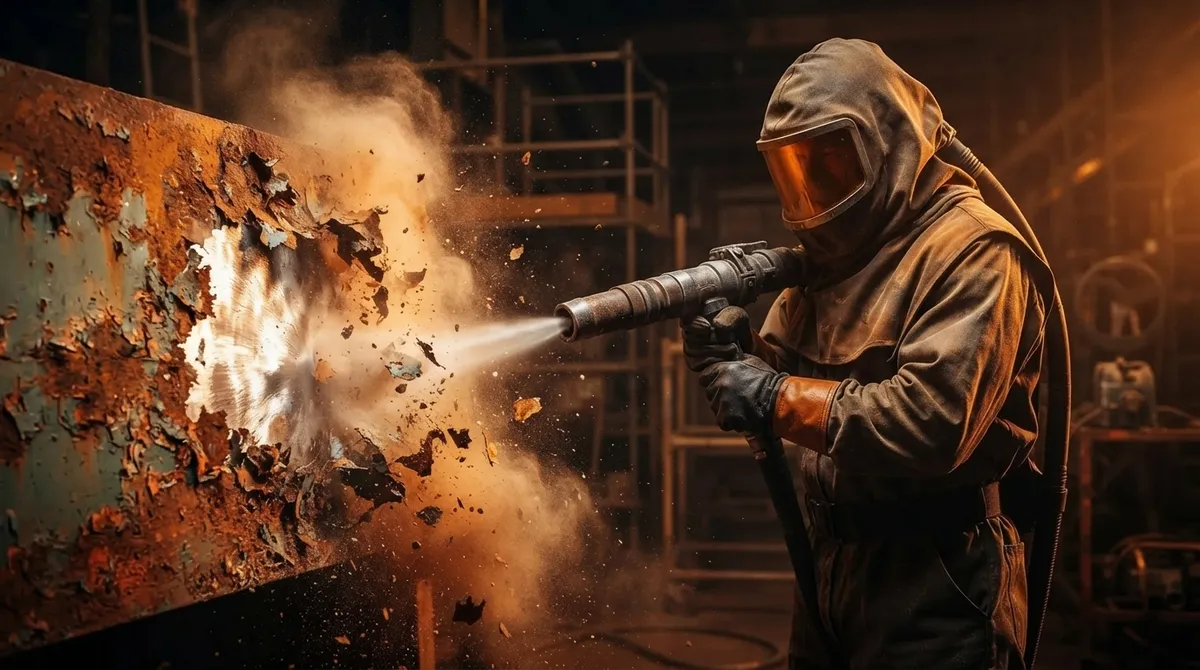
Surface preparation blasting uses a propelled abrasive to strip away rust, old paint, mill scale, and other contaminants. It also leaves a light texture on the surface so the next coating can grab hold. In Florida, where heat, humidity, and salt air go after every surface, this step matters even more.
The best part? You don’t have to haul your project anywhere. At Blastworx, we come to you. Our rig is fully mobile and self-contained, so the work happens in your driveway, at your dock, or on your job site. This guide walks you through how it works, what the standards mean, and how to get great results.
What Is Surface Preparation Blasting?
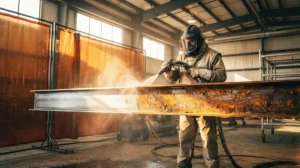
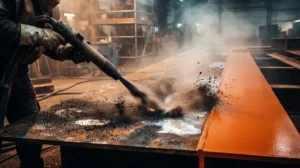
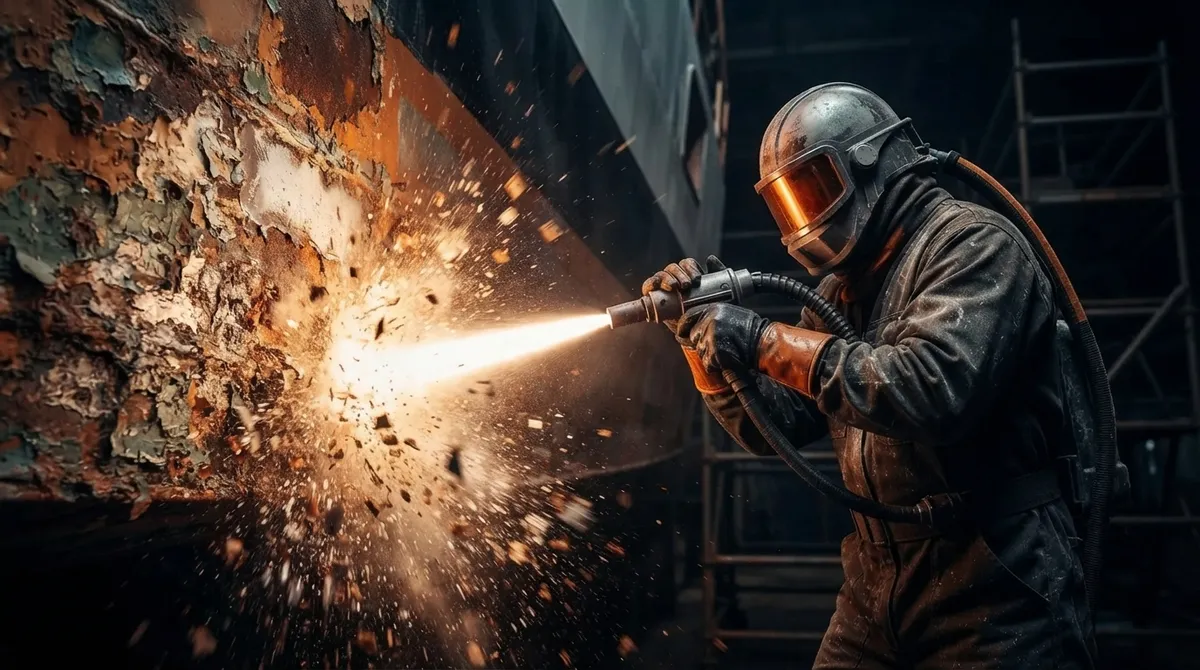
Surface preparation blasting is a cleaning process that shoots abrasive media at a surface under pressure. The media knocks off rust, paint, scale, grease residue, and buildup. What’s left is clean, sound material. If you want the basics, here’s a quick overview of what is sandblasting and how the process started.
But cleaning is only half the job. Good surface preparation blasting also creates a surface profile. Think of it as a fine, even roughness. Paint and coatings need that roughness to bond. A smooth, shiny surface gives a coating nothing to hold on to.
So there are two goals every time:
- Cleanliness: removing every contaminant that shouldn’t be there.
- Profile: creating the right texture for the coating that comes next.
For a deeper look at the metal side of this work, check out how metal surface preparation blasting really works.
Why Prep Matters More Than the Coating
Most coating failures trace back to the surface, not the product. Rust hiding in a seam keeps growing under fresh paint. Old, loose coating lifts and takes the new layer with it. Salt and oil left behind block the bond completely.
Hand tools like wire brushes and sandpaper have a place. But they often miss pits, corners, and tight spots. Blasting reaches all of it at once. If you’re weighing the two, our post on blasting vs. hand tools breaks down the differences.
Here’s what proper prep gives you:
- A stronger bond between the surface and the coating
- Longer life in Florida’s heat, humidity, and salt air
- Fewer surprises, like hidden rust coming back through
- Less rework and wasted material
Understanding Blast Cleanliness Grades
If you’ve ever read a coating spec, you’ve seen terms like SP 5 or SP 10. These come from AMPP, the Association for Materials Protection and Performance. It was formed from SSPC and NACE, and it publishes the standards most pros use for steel prep.
Each grade describes how clean the steel must look after blasting. Here are the common ones:
| Grade | Common Name | What It Means |
|---|---|---|
| SP 5 / NACE No. 1 | White Metal | All visible rust, scale, and coating removed |
| SP 10 / NACE No. 2 | Near-White | Very clean; light staining allowed, commonly up to 5% of each unit area |
| SP 6 / NACE No. 3 | Commercial | Thorough cleaning; staining commonly allowed up to 33% of each unit area |
| SP 14 / NACE No. 8 | Industrial | Removes most contaminants; some tightly bonded residue may remain |
| SP 7 / NACE No. 4 | Brush-Off | Light cleaning; removes loose material only |
One important note: always check the current standard and your project spec. The staining limits above are commonly cited, but the spec on your job is what governs acceptance.
Which Grade Do You Need?
It depends on the coating and where the steel will live. A coating system for a saltwater environment often calls for a higher grade than one for a dry indoor frame. The coating maker’s data sheet is your best guide. When in doubt, ask before you blast. It’s much cheaper than fixing it later.
Cleanliness and Profile Are Two Different Things
This trips up a lot of people. A blast grade tells you how clean the surface looks. It does not tell you how rough the surface is. Profile is a separate requirement, and it must match what the coating manufacturer asks for.
Profile is usually measured after blasting with simple tools, like a replica tape or a depth gauge. The result tells you if the surface texture falls inside the range the coating needs. Too smooth, and the coating won’t grip. Too rough, and peaks may poke through a thin coat.
Several things affect the final profile:
- The type and size of the abrasive
- The air pressure at the nozzle
- Nozzle distance and angle
- The skill of the operator
- The hardness of the surface itself
That’s why we say it plainly: we match the blast to your surface, not the other way around.
Choosing the Right Media for the Job
Not every surface can take the same abrasive. A thick steel beam handles aggressive media just fine. A fiberglass hull or a wooden deck does not. The right media for the job protects the material underneath while still doing the cleaning.
| Media Type | Best For | Notes |
|---|---|---|
| Soda | Fiberglass, gelcoat, delicate surfaces | Very gentle; great for grease and light paint |
| Walnut shell | Softer materials, some wood and trim | Mild abrasive; low profile |
| Sand-type abrasives | Rust, heavy coatings on steel and iron | Strong cutting power; builds profile |
| Dustless (wet) blasting | Indoor work, busy sites, near equipment | Water cuts airborne dust |
Curious how these compare? Our guide to choosing between soda blasting vs. sandblasting and our post on wet vs. dry blasting will help you narrow it down.
How the Mobile Blasting Process Works
Mobile blasting has some extra steps compared to a shop setup. We’re working at your location, so planning matters. Here’s how a typical job goes:
- Walkthrough. You send photos, or we come look. We check the surface, the old coating, access, weather, and what’s nearby.
- Free estimate. You get a clear, written estimate the same day. The price we give is the price you pay.
- Blast and strip. We protect the surrounding area, then blast the surface clean at your location.
- Ready to finish. The surface comes out clean and ready for the next step, like priming or coating.
Because our rig is self-contained, we don’t need your power or water. We work dockside, in a driveway, at a shop, or on a job site. And you talk to the people doing the work from start to finish.
Protecting Your Property and the People Around It
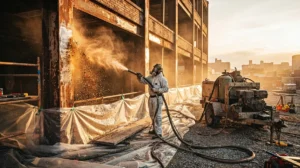
Blasting throws off dust and debris. That’s the reality of the work. Good crews plan for it before the first pass. We contain the mess and protect the surrounding area, especially when the job sits near homes, cars, landscaping, pools, or water.
Common controls include:
- Barriers and covers around nearby property
- Containment and debris recovery
- Dustless methods where dust must stay down
- Wind and weather checks before and during the work
Safety is a big part of this too. Abrasive blasting can expose workers to respirable dust, silica, toxic metals like lead, and loud noise. OSHA points to substitution, containment, and ventilation as the primary controls, with proper respirators and other protective gear on top. We cover our standard approach in 5 safe blasting procedures every mobile crew follows.
Silica and Lead: Know Before You Blast
Silica sand is the one to avoid. OSHA notes that NIOSH has recommended since 1974 that abrasives with more than 1% crystalline silica not be used for blasting, because of the silicosis risk. Silica-free media is the better choice whenever it’s practical.
Old coatings can hide hazards too. Older paint may contain lead. OSHA’s construction lead standard (29 CFR 1926.62) sets a permissible exposure limit of 50 µg/m³ as an 8-hour average. The construction silica standard (29 CFR 1926.1153) uses the same 50 µg/m³ limit, with an action level of 25 µg/m³. If you suspect lead or other hazards in an old coating, get it tested before work starts.
Waste and Cleanup
What happens to the spent media and removed paint? It depends on what was on the surface. Before any blasting begins, the crew should know what’s being removed and how it will be collected and handled.
Lead-containing debris, for example, may need stricter handling and disposal rules. Disposal classification depends on testing and the rules that apply. Regular rust, mill scale, and spent abrasive are usually simpler. Either way, we leave the site clean, with residual dust and debris removed so the surface is truly ready for coating.
Timing: Coat Soon After Blasting
Bare, freshly blasted steel is very active. In Florida’s humid air, it can start to show flash rust within hours. Dust and moisture can also settle on the surface and weaken the bond.
The fix is simple: plan your coating right after blasting. Line up your painter, coating crew, or your own schedule before the blast day. That way the clean, bare metal gets protected quickly.
We handle strip and prep. Coating is done by you, your painter, or your coating crew, so it helps to coordinate dates early. For more on what comes before the coating step, see 14 surface prep steps before commercial coating.
Where Surface Preparation Blasting Fits
This work isn’t just for big industrial jobs. Here are common places we see it make a difference:
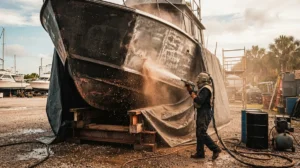
- Marine: boat hulls, trailers, davits, and dock hardware. See our marine blasting services.
- Automotive: frames, panels, wheels, and restoration projects. See our automotive blasting services.
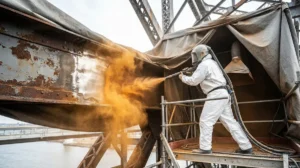
- Industrial: structural steel, tanks, and heavy equipment. See our industrial blasting services.
- Commercial: concrete, graffiti, storefronts, and fleet vehicles. See our commercial blasting services.
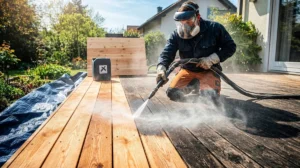
- Residential: fences, railings, pool decks, and patios. See our residential blasting services.
One quick note on limits: we don’t blast vinyl fencing because it’s too delicate. And some surfaces, like painted walls, glass, veneer, and cultured stone, need to be looked at in person first.
A Simple Checklist Before You Hire
Ready to get started? Ask these questions of any blasting contractor, including us:
- What media will you use, and why is it right for my surface?
- What cleanliness grade and profile does my coating require?
- How will you protect the surrounding area and contain debris?
- Are you fully insured?
- How will waste be handled, especially if lead may be present?
- Is the estimate written, and is the price the final price?
A good contractor welcomes these questions. If you’re still shopping around, our post on what you should know before hiring sandblasting services goes into more detail.
Serving Tampa Bay and Central Florida
We’re an owner-operated company based in Tampa, working across Tampa Bay and the central Florida corridor, including Clearwater, Sarasota, Ocala, Orlando, and Fort Myers. Check our service areas to see if we cover your town, and browse our gallery to see finished work. You can also visit us on Google and see what our customers are saying about us.
Ready to Start With a Clean Surface?
Great coatings start with great prep. Surface preparation blasting takes your steel, iron, concrete, or marine hardware back to clean, sound material, so the next step bonds properly and lasts. It also keeps the work simple, because we come to you with a fully mobile, self-contained rig.
If you have a project in mind, we’d love to hear about it. Get a free estimate and we’ll give you a clear, written price the same day. Prefer to talk it through? Give us a call at 813-380-8092. You can text too, and you’ll reach the people doing the work.
FAQs
Q: What is surface preparation blasting?
A: It’s a cleaning process that shoots abrasive media at a surface to remove rust, old paint, scale, and buildup. It also creates a light texture so new coatings can grip. At Blastworx, we do it right at your location.
Q: What blast grade should I choose: SP 5, SP 10, or SP 6?
A: It depends on your coating and where the steel will be used. White metal (SP 5) is the cleanest, near-white (SP 10) allows light staining, and commercial (SP 6) allows a bit more. Always check your coating data sheet and project spec, since they set the final requirement.
Q: How is surface profile measured after blasting?
A: Profile is usually checked with simple tools like replica tape or a depth gauge. The reading is compared to the range your coating maker asks for. Cleanliness and profile are two separate checks, so both matter.
Q: How soon should I coat after blasting?
A: As soon as you reasonably can. In Florida’s humid air, bare steel can start to flash rust within hours. Line up your painter or coating crew before blast day so the clean metal gets protected quickly.
Q: Can mobile blasting be done without spreading dust everywhere?
A: Yes, with the right planning. We contain the mess, protect the surrounding area, and can use dustless methods for indoor work or busy sites. The setup depends on the surface, the location, and what’s being removed.