Key Takeaways
-
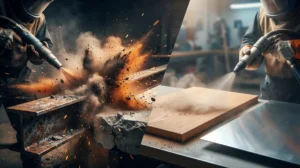
Match the abrasive to the surface: soda or walnut shell protects fiberglass and thin panels, while aggressive media is reserved for heavy steel rust that can handle it.
-
Agree on the scope in writing before work starts, including surfaces, required finish before recoating, dust control, waste cleanup, and site access.
-
Dustless water-based blasting cuts airborne dust significantly, making it a practical choice near equipment, active job sites, and homes.
-
Blasting creates hazards: some coatings contain lead and some concrete or sand contains silica, and OSHA's silica limit is 50 micrograms per cubic meter over an 8-hour shift.
Here’s a secret about blasting: there’s no such thing as one-size-fits-all. A rusty boat trailer, a faded pool deck, and a graffiti-covered storefront all need different tools, different media, and a different game plan. That’s where custom sandblasting solutions come in.
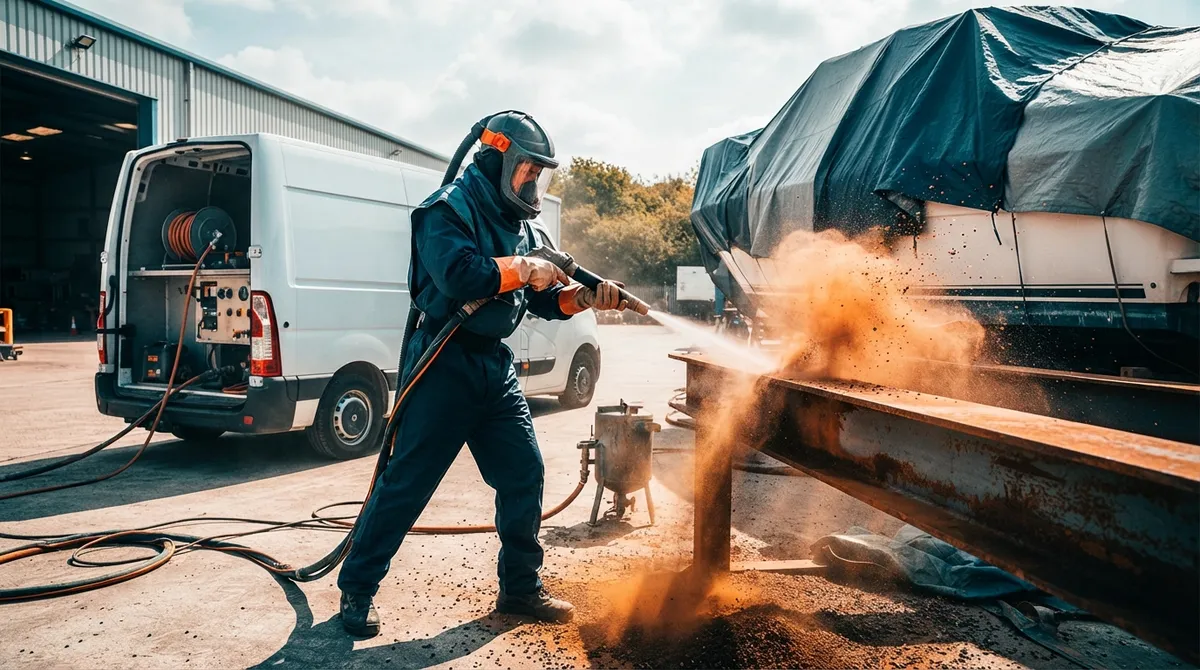
In mobile blasting, “custom” means we bring a fully mobile, self-contained rig to your site and tailor the work to your surface, your coating, and your goals. We match the blast to your surface, not the other way around. The abrasive may not even be sand. It might be soda, walnut shell, or a dustless water-based setup.
Below are 14 ways a custom plan can make your project cleaner, safer, and easier. Whether you’re in Tampa, Orlando, or Ocala, you’ll learn what to ask for and what to expect. If you’re curious about the basics first, here’s a quick look at what is sandblasting.

What Makes a Sandblasting Solution Truly Custom?
A custom plan starts with questions, not equipment. A good crew looks at what the surface is made of, what’s on it, and what you plan to do next.
Here’s what a solid plan usually covers:
- The surface material and its condition
- Old coatings, rust, or buildup to remove
- The finish you need before recoating
- Access, weather, and nearby property
- Dust control, containment, and cleanup
When these pieces fit together, you get a result that’s clean, sound, and ready for the next step. For a deeper look at how pros think about this, check out 9 Steps to Prepare for Sandblasting the Right Way.
14 Custom Sandblasting Solutions for Mobile Jobs
1. The Right Media for the Job
Abrasive choice is the biggest custom decision. Size, hardness, and shape all change how fast coatings come off and how rough the surface gets. Hard media cuts fast. Soft media protects delicate material. Learn more about your options in 6 Types of Sandblasting Every Florida Owner Should Know.
2. Soda Blasting for Delicate Surfaces
Soda is gentle. It lifts paint and grime without digging into fiberglass, gelcoat, or thin panels. It’s a great pick when the base material matters more than speed. See why in Why Is Soda Blasting Tampa’s Gentlest Cleaning Fix?
3. Dustless Blasting for Tight Spots
Dustless blasting mixes water with the abrasive. That cuts airborne dust a lot, which helps near equipment, active job sites, and homes. Here’s what makes dustless blasting in Tampa so effective.
4. Aggressive Abrasives for Heavy Rust
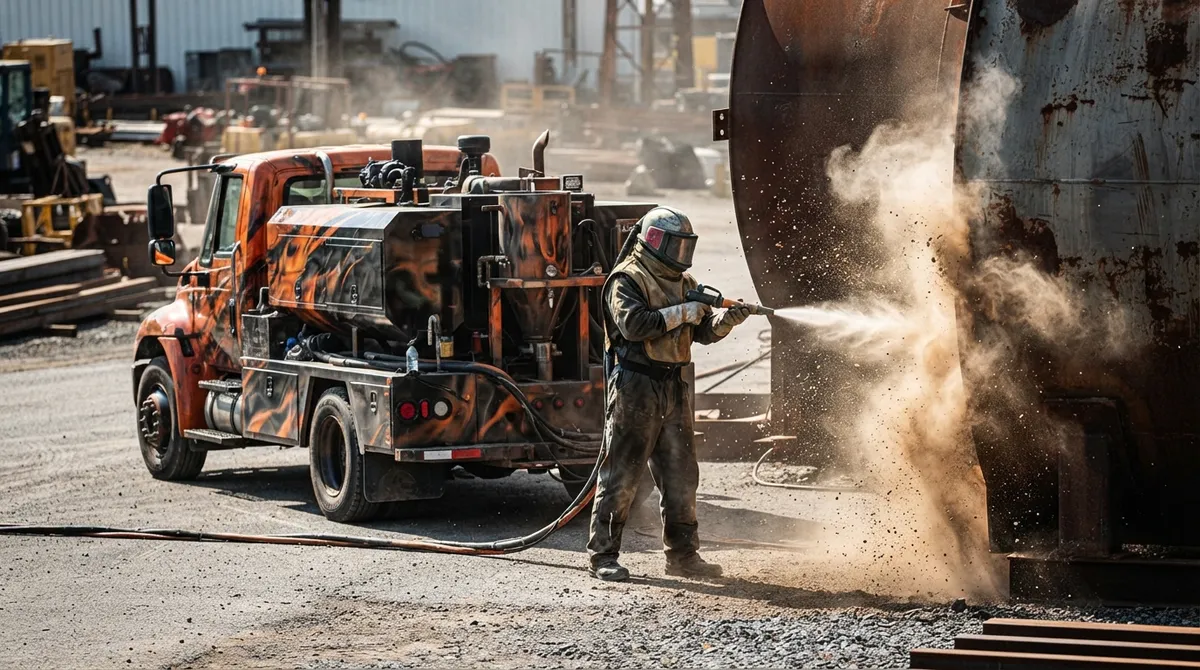
Thick scale on structural steel or frames needs a stronger media. A custom plan uses that power only where the metal can take it. For steel work, see 7 Structural Steel Blasting Facts Florida Owners Need.
5. Low-Pressure Work for Thin Metal
Thin body panels can warp under heat and pressure. We dial down pressure and pick cooler media to protect the panel. This is a big deal for classic cars and project vehicles. Read 5 Automotive Sandblasting Facts Florida Owners Need.
6. Marine-Specific Hull and Hardware Prep
Boats are a mix of materials. Fiberglass hulls need soft media. Trailers, cleats, and rails can take more. A custom plan handles each part right. Our marine blasting service covers hulls, docks, davits, and trailers.
7. Concrete Prep for Resurfacing
Concrete needs the right texture so coatings and sealers bond. Too little profile, and the new layer peels. Too much, and you waste material. See Concrete Sandblasting Tampa: Mobile Prep Done Right.
8. Graffiti Removal Without Surface Damage
Graffiti on brick, block, or concrete calls for a careful touch. A custom plan picks media that lifts the paint and spares the wall. Some surfaces, like painted walls, glass, veneer, and cultured stone, need an in-person look first. Our commercial blasting page explains more.
9. Wood Deck and Trim Restoration
Wood is soft, so it needs soft media and low pressure. Done right, you get a clean grain ready to refinish. Done wrong, you get gouges. Read 12 Facts: Does Sandblasting Damage Wood? (2026 Guide).
10. Iron Fence and Railing Restoration
Wrought iron has scrolls, corners, and seams where rust hides. Hand tools miss those spots. Blasting reaches them all at once. Our residential blasting work includes fences, gates, and railings. You can also see how to restore wrought iron railings the right way.
11. Pool Deck and Paver Cleaning
Florida pool decks collect algae, old sealer, and stains. A custom plan removes them without chewing up the surface. It also protects the pool, plants, and windows nearby. Check out Pool Deck Blasting: Restore Your Florida Patio Fast.
12. Industrial and Weld Prep
Factories, tanks, and heavy equipment need clean steel for welding or coating. A custom plan matches the finish to the next step. Our industrial blasting service works on-site with our own power and water.
13. Containment and Cleanup Built In
Blasting makes dust and debris. A good plan includes how to contain it, protect nearby property, and collect waste. We contain the mess and protect the surrounding area on every job.
14. Safety Controls for Lead and Silica
Some coatings contain lead. Some concrete and sand contain silica. OSHA sets the respirable crystalline silica limit at 50 micrograms per cubic meter of air over an 8-hour shift. The action level is 25. A custom plan accounts for these hazards with containment, ventilation, work practices, and proper respiratory protection.
Quick Guide: Matching Media to Surface
This table gives a general idea of how pros think about matching media to surface. Every job still needs a real look at the actual conditions.
| Surface | Typical Approach | Main Goal |
|---|---|---|
| Fiberglass or gelcoat | Soft media like soda or walnut shell | Remove paint without damaging the hull |
| Thin auto panels | Low pressure, cooler media | Strip coatings without warping |
| Frames and heavy steel | Stronger abrasives | Clean bare metal fast |
| Concrete and pavers | Dustless or controlled dry blasting | Clean and create a bonding texture |
| Wood decks and trim | Soft media, low pressure | Clean grain, ready to refinish |
| Wrought iron | Medium to strong abrasive | Remove rust from seams and corners |
How a Custom Mobile Plan Comes Together
Our process is simple, and you talk to the people doing the work:
- Walkthrough. Send photos or we come look, and we pick the right media for the surface.
- Free estimate. You get a clear, written estimate the same day. The price we give is the price you pay.
- Blast and strip. We protect the surrounding area, then blast the surface clean at your location.
- Ready to finish. The surface comes out clean and ready for the next step.
We strip and prep. For most jobs, painting, powder coating, or resurfacing is handled by you or your coating crew. That’s why the surface standard matters so much. A coating is only as good as the surface underneath it.
What to Settle Before Work Begins
A strong custom scope puts the details in writing. Before the rig rolls in, agree on these points:
- Which surfaces and areas are included
- The finish you need before recoating
- The media and method being used
- How dust and debris will be controlled
- Who handles waste cleanup
- Schedule and site access
This keeps everyone on the same page. It also protects your budget. Wondering about price? Read How Much Do Sandblasting Estimates Really Cost?
Why Mobile Beats Hauling It to a Shop
Some items are too big, too heavy, or too fixed to move. Fences, docks, tanks, and parking areas aren’t going anywhere. A mobile rig solves that. Our setup is fully mobile and self-contained, so we work dockside, in a driveway, at a shop, or on a job site without needing your power or water.
Curious how the two approaches stack up? See Mobile Rig vs. Drop-Off Shop: Which Blaster Wins? You can also read why Tampa businesses choose mobile sandblasting.
Where We Work
We’re based in Tampa and serve Tampa Bay and the central Florida corridor, including Clearwater, Sarasota, Ocala, Orlando, and Fort Myers. Towns like Brandon, Riverview, Plant City, Lutz, and St. Pete are regular stops. For the right job, we’ll travel anywhere in the state. See our full service areas and browse our gallery for real project results.
Want to hear from real customers? Visit us on Google — see what our customers are saying about us.
Ready for a Plan Built Around Your Surface?
The best results come from the right match: the right media, the right pressure, and the right controls for your specific job. That’s what custom sandblasting solutions are all about. We’re fully insured, owner-operated, and small enough to give your project our full attention.
Ready to get started? Get a free estimate today, or give us a call at 813-380-8092. You can text too. We come to you, and we’ll help you get back to clean, sound material, ready for the next step.
FAQs
Q: What are custom sandblasting solutions in mobile blasting?
A: They’re on-site blasting plans built around your surface, your coating, and your goals. We bring a fully mobile rig and match the media, pressure, and controls to the job. Think of it as the right tool for the right surface, right where you need it.
Q: Does mobile sandblasting need dust control or containment?
A: Yes, it usually does. Blasting can create dust from the abrasive and from the coating being removed. We contain the mess, protect the surrounding area, and use methods like dustless blasting when the site calls for it.
Q: Which surfaces can a mobile blasting crew work on?
A: Common jobs include boats, trailers, car frames, steel, concrete, pavers, iron fences, and wood decks. Some surfaces, like vinyl fencing, are too delicate and aren’t blasted. Painted walls, glass, veneer, and cultured stone need an in-person look first.
Q: What affects the cost of a custom blasting job?
A: Price depends on the size of the area, the surface type, the coating being removed, access, and how much containment is needed. We give a clear, written estimate the same day, and the price we give is the price you pay.