
Key Takeaways
-
Cross-contamination from shared equipment used on carbon steel can deposit free iron onto stainless surfaces, causing rust spots weeks later; always verify dedicated, non-contaminating equipment and abrasive before work begins.
-
The abrasive type significantly impacts results: glass bead for cosmetic finishes, garnet for heavy corrosion removal, and aluminum oxide for coating prep; match the media to your specific end goal and stainless grade.
-
Stainless steel blasting must preserve the metal’s passive layer and corrosion resistance, unlike carbon steel blasting; improper technique can permanently damage the very rust-resistant properties that make stainless valuable.
-
SSPC-SP 16 is the published standard for light stainless steel surface preparation, with specific cleanliness requirements; verify which standard applies to your project before work begins to ensure compliance.
-
Blasting alone doesn’t fully restore corrosion resistance; follow-up steps like chemical passivation, electropolishing, thorough drying, and inspection may be necessary depending on grade and environment.
-
Pressure, nozzle angle, and stand-off distance require careful adjustment; always test a small area first and match blast settings to the specific stainless grade and surface condition rather than using one-size-fits-all approach.
Got a stainless steel tank, railing, or piece of equipment that’s lost its shine? Maybe it’s covered in weld discoloration, rust streaks, or years of grime. Before you reach for a wire brush or call in a crew to haul it away, let’s talk about stainless steel blasting. It’s one of the most misunderstood services in our industry, and honestly, it deserves a lot more love and explanation than it usually gets.
Here at Blastworx, we get calls all the time from folks in Tampa, Orlando, Ocala, and everywhere between who assume blasting stainless is just like blasting regular steel. It’s not. Stainless steel has a personality all its own, and if you treat it wrong, you can actually ruin the very thing that makes it special: its resistance to rust. The good news? When it’s done right, stainless steel blasting can bring tired, dull, or corroded metal back to life without damaging it one bit. Grab a coffee, and let’s walk through the six facts every Florida property or business owner should know before booking this kind of job.
1. Stainless Steel Blasting Is Not the Same as Regular Steel Blasting
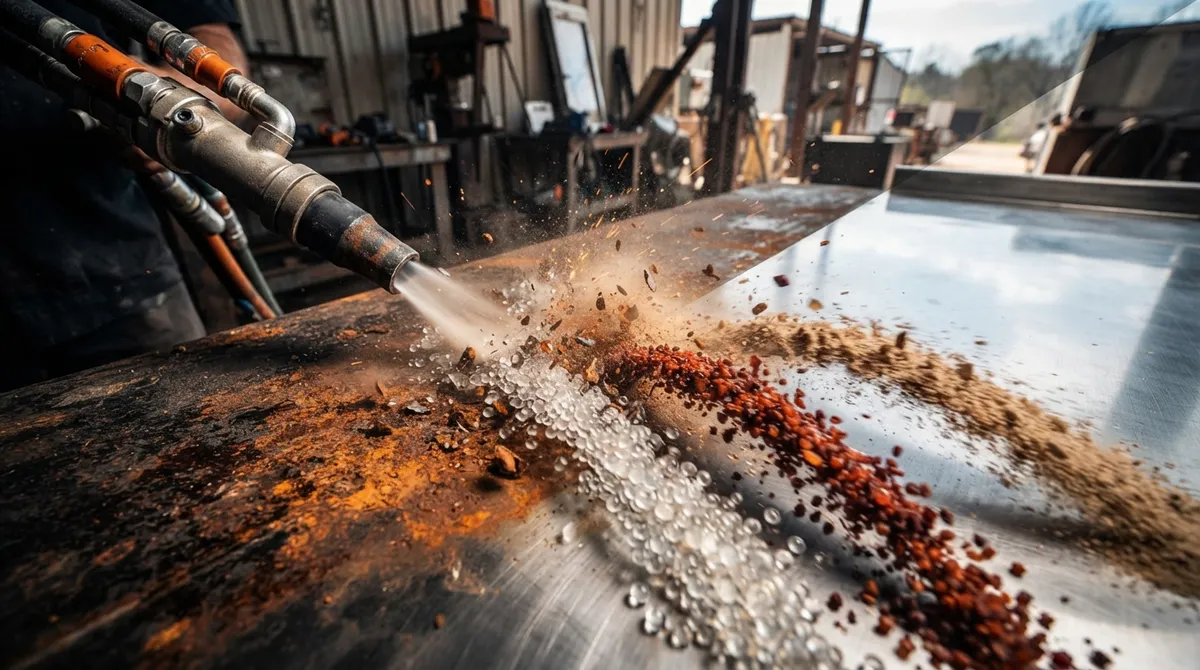
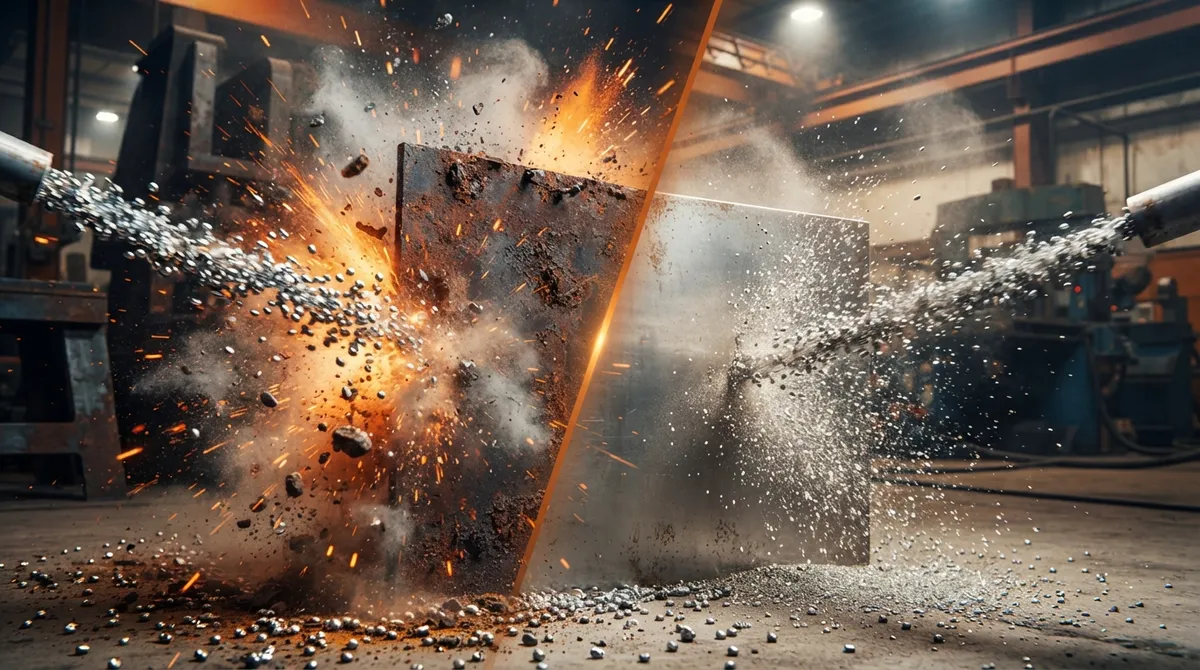
This one surprises a lot of people. Stainless steel blasting is the controlled use of abrasive, wet, or vapor blasting to remove paint, oxidation, scale, weld discoloration, corrosion products, and dirt from stainless equipment. But the goal isn’t just to make it look clean. The real goal is preserving the metal’s natural corrosion resistance while doing it.
Ordinary carbon steel blasting doesn’t have to worry about this. You can be a little rough with carbon steel because it’s already prone to rust anyway. Stainless steel is different. Every choice, from the abrasive to the equipment to the pressure, has to protect that passive layer that keeps stainless steel looking and performing like stainless steel. This is exactly the kind of detail that separates a so-so blasting job from one that actually holds up for years.
2. Cross-Contamination Is the Biggest Risk (and Most Overlooked One)
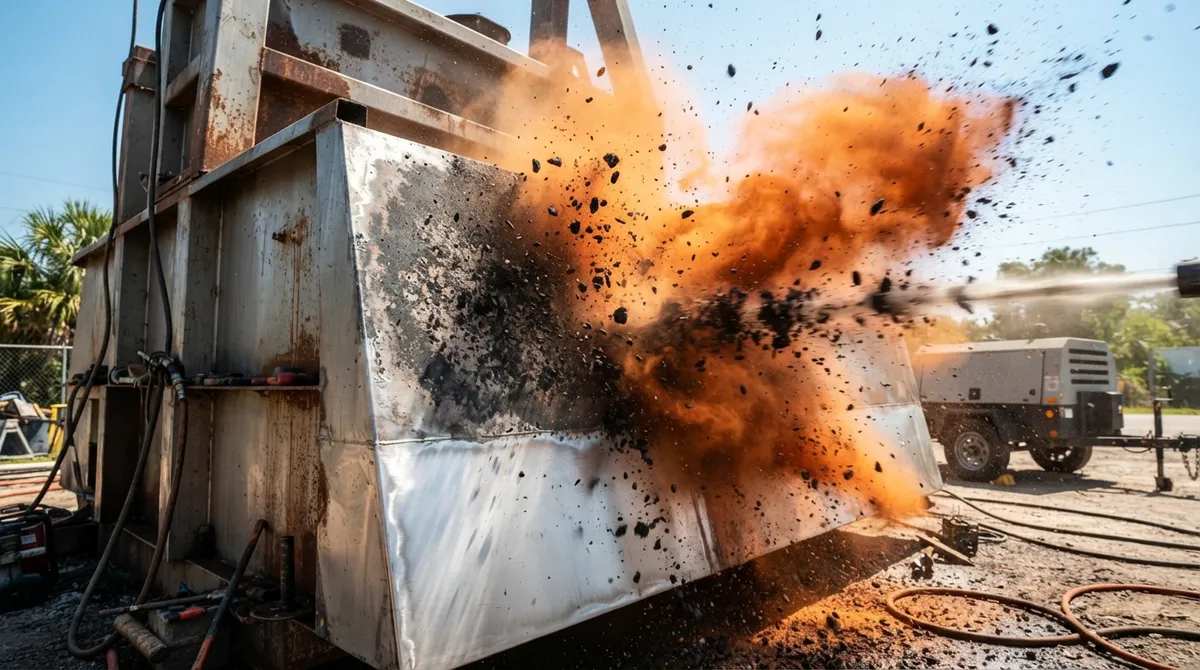
Here’s something most people never think about. If a blasting company uses the same pots, hoses, nozzles, or abrasive on carbon steel and then on your stainless steel, tiny bits of free iron can transfer onto your stainless surface. Weeks later, you start seeing rust spots that seem to come out of nowhere.
This is called cross-contamination, and it’s a real headache. It doesn’t mean your stainless steel is defective. It means the equipment used on it wasn’t properly cleaned or dedicated to non-ferrous work. A trustworthy mobile blasting provider should:
- Use clean, dedicated, or verified non-contaminating equipment and abrasive
- Avoid mixing carbon steel tools with stainless steel jobs
- Inspect hoses, nozzles, and recovery systems before starting
- Test a small area first to confirm no staining develops
We take this seriously on every job, whether we’re working dockside on marine hardware or out at an industrial site. It’s a simple step, but skipping it causes problems that show up long after the crew has packed up and left.
3. The Right Abrasive Makes All the Difference
Not all blasting media is created equal, and stainless steel is picky about what touches it. The abrasive needs to be dry, clean, and compatible with the specific grade of stainless you’re working with. Some of the most common choices include:
| Abrasive Type | Best Use Case | Finish Produced |
|---|---|---|
| Glass Bead | Light cleaning, cosmetic finish | Smooth, satin appearance |
| Crushed Glass | General cleaning, moderate profile | Uniform matte finish |
| Garnet | Heavier corrosion or coating removal | Aggressive, textured profile |
| Aluminum Oxide | Surface prep before coating | Rougher profile for adhesion |
| Ceramic Media | Precision work, low contamination risk | Consistent, controlled finish |
The abrasive choice depends on what you need in the end. Want a decorative railing to look brand new? Glass bead or crushed glass is usually the way to go. Prepping a tank for recoating? You might need something a bit more aggressive like aluminum oxide. This is why we always ask about the end goal before ever pulling the trigger on a nozzle.
4. Pressure and Technique Matter Just as Much as Media
Even with the perfect abrasive, blasting stainless steel too aggressively can cause embedded particles, warping, or a rougher finish than you wanted. That’s why testing a small area first isn’t just a nice idea, it’s a must.
A careful mobile blasting technician will typically follow these steps:
- Identify the stainless grade and its current condition
- Check for existing coatings, welds, or heat tint that need special attention
- Run a test patch to confirm appearance and profile
- Adjust nozzle size, pressure, stand-off distance, and angle as needed
- Blast the full surface once settings are confirmed
- Inspect the finished area closely before wrapping up
This process is a little like tailoring a suit. You don’t just grab one size and hope it fits. You adjust until it’s right for that specific piece of equipment, that specific grade of stainless, and that specific job. We always say we match the blast to your surface, not the other way around, and that philosophy really shines (pun intended) when it comes to stainless steel.
5. There’s an Actual Standard for This Kind of Work
You might be surprised to learn that stainless steel surface prep isn’t just guesswork. There’s a specific published standard called SSPC-SP 16, which was created for brush-off blast cleaning of coated and uncoated galvanized steel, stainless steels, and other nonferrous metals. It was published back in April 2010 and is still the go-to reference for light preparation work where the goal is a clean surface ready for coating, not aggressive removal down to bare metal.
For jobs where a coating is going on afterward, other standards may apply depending on the coating manufacturer’s requirements, such as SSPC-SP 5/NACE No. 1 for white-metal cleaning or SSPC-SP 6/NACE No. 3 for commercial cleaning. These standards define exactly how clean the surface has to be, right down to the percentage of leftover residue that’s allowed. If you want to dive deeper into what standardized abrasive work actually involves, what is sandblasting is a great starting point for understanding the basics behind the process.
Here’s a simple breakdown of common cleanliness levels you might hear referenced:
| Standard | Common Name | Typical Use |
|---|---|---|
| SSPC-SP 16 | Brush-off cleaning for stainless/nonferrous | Light prep, coating adhesion |
| SSPC-SP 5/NACE No. 1 | White-metal cleaning | Highest cleanliness, critical coatings |
| SSPC-SP 10/NACE No. 2 | Near-white-metal cleaning | High-performance coatings |
| SSPC-SP 7/NACE No. 4 | Brush-off cleaning | Minimal removal, light prep |
These standards can feel a little technical, but the takeaway is simple. If your project has specific cleanliness requirements, make sure your blasting provider knows exactly which standard applies before work begins.
6. Blasting Alone Doesn’t Always Restore Full Corrosion Resistance
This one catches people off guard. Blasting stainless steel doesn’t automatically put it back into its ideal, fully passive condition. Depending on the grade, the environment it’s used in, and how much contamination risk there was during the job, the surface may need additional steps afterward like:
- Thorough rinsing and drying
- Chemical passivation treatment
- Electropolishing for a mirror-like finish
- Follow-up inspection for any remaining discoloration
Wet or vapor blasting can help cut down on airborne dust during the job, which is great for containment, but it also brings water-management concerns. If there’s any chance of carbon steel contamination nearby, moisture can actually speed up flash rusting if the surface isn’t dried and inspected quickly. This is why a written plan before the job starts is so valuable. It should spell out the abrasive, the equipment-cleanliness steps, the pressure settings, and what happens after blasting is complete.
Where This Service Comes in Handy Across Florida
Stainless steel blasting isn’t just for one type of project. We see it come up in all kinds of situations across the Tampa Bay area and beyond:
- Marine hardware, rails, and fittings that have picked up rust streaks near the coast
- Food-processing equipment that needs to meet strict cleanliness standards
- Architectural railings and fencing that have lost their shine
- Industrial tanks and vessels prepping for a new coating
- Trailers and machinery parts that need weld discoloration removed
Because a lot of this equipment is too big, too heavy, or too impractical to haul to a shop, mobile blasting is often the only realistic option. That’s really the heart of what we do. We come to you, whether that’s a marina in Clearwater, a food plant in Orlando, or a fabrication shop in Fort Myers. Our rig is fully mobile and self-contained, so we don’t need your power or water to get the job done right on-site.
What to Expect When You Book a Job With Us
We keep things simple and straightforward. Here’s how it typically goes:
- We look at photos or come see the equipment in person to figure out the right media for the job
- You get a clear, written estimate the same day, and the price we give is the price you pay
- We protect the surrounding area, then blast the stainless steel clean using contamination-controlled equipment
- The surface comes out clean, sound, and ready for the next step, whether that’s coating, passivating, or simply admiring the shine
If you’re curious about how this compares to other surface prep work we handle, our Industrial and Marine service pages break down more about the equipment and surfaces we work with regularly. We also handle plenty of Commercial projects involving stainless fixtures, railings, and structural components that need a careful, professional touch.
A Few Related Reads Worth Checking Out
If you’re trying to figure out which blasting method fits your specific project, a couple of our other articles might help clear things up. Take a look at How Does Metal Surface Preparation Blasting Really Work? for a broader look at metal prep, or Blasting vs. Hand Tools: Best Steel Prep Method? if you’re weighing your options. And if rust removal is part of your project, How Does Mobile Blasting Fix Metal Rust Treatment? covers that topic in more detail.
Curious what past customers have said about working with us? You can visit us on Google — see what our customers are saying about us before you decide who to trust with your stainless steel project.
Let’s Get Your Stainless Steel Looking Its Best
Stainless steel blasting isn’t something to hand off to just anyone with a compressor and a bag of sand. It takes the right abrasive, careful technique, and a real understanding of why contamination control matters so much. When it’s done properly, your equipment doesn’t just look better, it stays protected for years to come.
We’ve built our whole business around doing this kind of work correctly, whether it’s a small railing in someone’s backyard or a full tank at an industrial facility. We’re fully insured, and when you call, you talk to the people actually doing the work, not a call center reading from a script. If you’ve got a stainless steel project anywhere from Tampa to Ocala to Fort Myers, we’d love to help. Reach out today to get a free estimate, or if you’d rather talk it through first, feel free to give us a call. We’re happy to walk you through exactly what your project needs.
FAQs
Q: What abrasive is safest for blasting stainless steel?
A: Glass bead and crushed glass tend to be the gentlest options, giving stainless steel a clean, smooth finish without being too aggressive. The right choice really depends on your project though, so it helps to chat with your blasting provider about the finish you’re hoping for.
Q: Can stainless steel be abrasive blasted without causing rust?
A: Absolutely, as long as the equipment and abrasive haven’t been used on carbon steel first. Cross-contamination is the main culprit behind rust spots showing up after blasting, so using dedicated, clean tools is the key to keeping your stainless steel rust-free.
Q: Should stainless steel be passivated after abrasive blasting?
A: It depends on the grade of stainless and where it’s going to be used. In many cases, a thorough rinse and dry is enough, but for equipment facing harsh environments, passivation can help restore that protective layer fully.
Q: How much does mobile stainless-steel blasting cost?
A: Pricing varies based on the size of the job, the abrasive needed, and how much prep work is required, but we always provide a clear written estimate before we start. That way, the price we give you is the price you pay, no surprises.
Q: What’s the difference between dry blasting and wet blasting stainless steel?
A: Dry blasting is faster and works great for most jobs, while wet blasting helps cut down on dust in sensitive areas. Wet blasting does require careful water management though, since leftover moisture can lead to flash rusting if it’s not dried quickly.





