
Key Takeaways
-
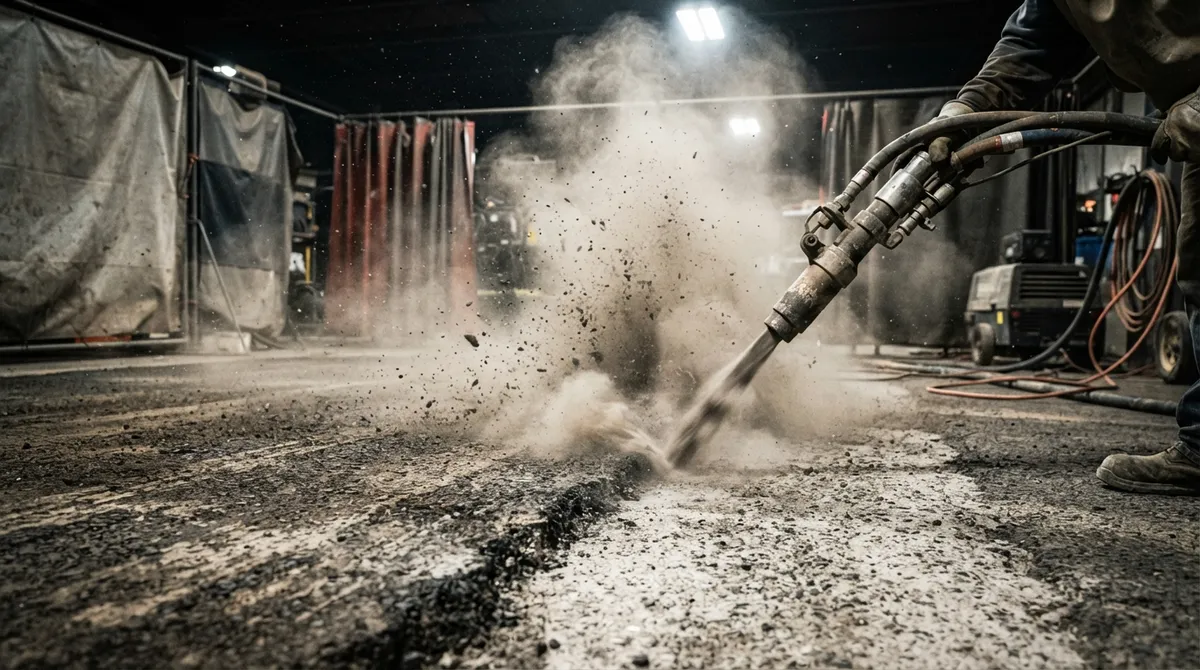
Asphalt blasting removes paint, markings, and coatings using portable blast systems without hauling material away, but requires careful media and pressure selection to avoid stripping the binder or loosening aggregate.
-
Always conduct a test patch on a small area first to assess how the pavement reacts and establish agreed-upon results before committing to full-scale blasting work.
-
Select media based on aggressiveness level: soda for gentle cleaning, walnut shell for light coating removal, and fine abrasive for paint/marking removal; avoid crystalline-silica sand per NIOSH recommendations.
-
Avoid blasting on fragile pavement showing heavy cracking, loose raveling stone, very old dry asphalt, or fresh uncured asphalt, as these surfaces are too vulnerable to damage.
-
Manage dust, debris, and wastewater through proper containment, spent media collection, and runoff control to comply with local environmental regulations and protect surrounding areas.
-
Compare blasting to alternative methods like grinding/milling for large jobs or water-based removal before committing, as blasting works best only for small, targeted cleanup projects.
Have you ever looked at a faded parking stripe, an old paint spill, or a patch of stubborn buildup on asphalt and wondered how on earth to get it off? You’re not alone. Asphalt is tougher than it looks, but it’s also easier to damage than most folks expect. That’s where asphalt blasting comes in, and where a little know-how goes a long way.
In the mobile blasting world, asphalt blasting usually means removing paint, road markings, coatings, or surface contamination from asphalt pavement. It does not mean blasting asphalt as a routine repair. The goal is to clean the surface without stripping the binder or knocking loose the stone underneath.
In this guide, we’ll walk through what asphalt blasting is, how it works, what can go wrong, and how it compares to other methods. We’ll keep it simple and friendly, so you can decide if it fits your project in 2026.
What Is Asphalt Blasting?
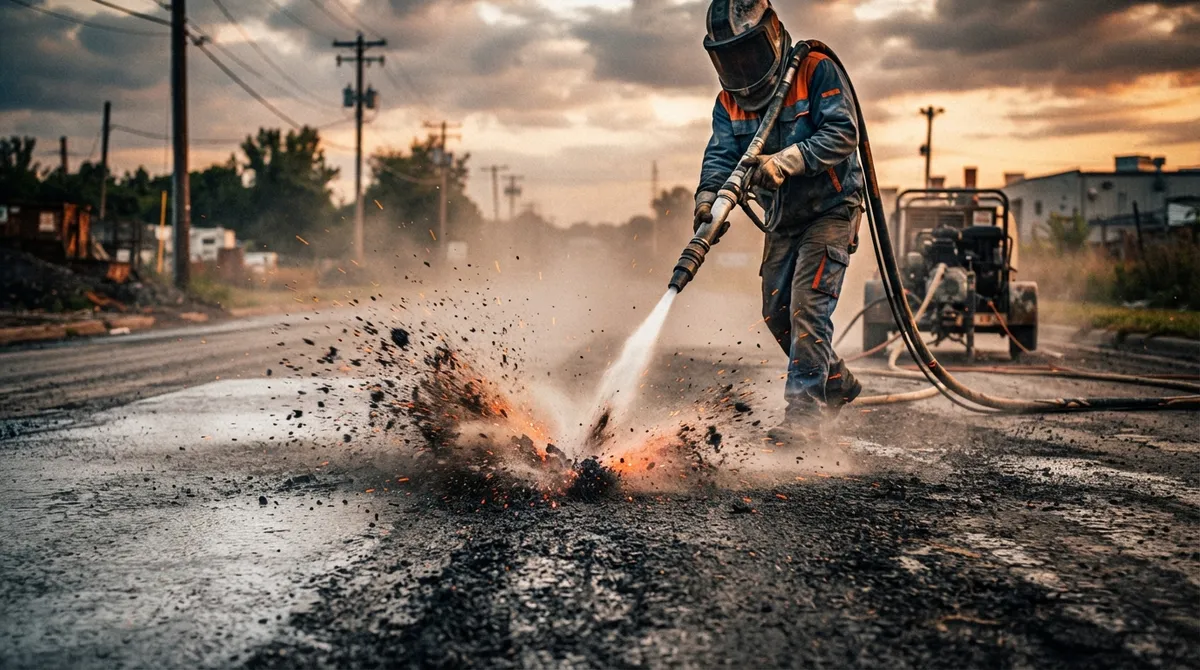
Asphalt blasting is the use of a portable blast system to remove unwanted material from an asphalt surface. That material might be old traffic paint, parking lot striping, a coating, oil staining, or buildup. The equipment comes to the site, so nothing has to be hauled away.
Here is the important part. Asphalt is made of stone (aggregate) held together by a sticky binder. If the blast is too aggressive, it can strip that binder and loosen the stone. So what is sandblasting in general is one thing, but doing it on asphalt takes extra care and a gentler hand.
There is also no single universal asphalt blasting method. Results depend on the pavement’s age, its condition, what you’re removing, the media, the pressure, and the equipment. That’s why a good contractor never guesses.
What Can Asphalt Blasting Remove?
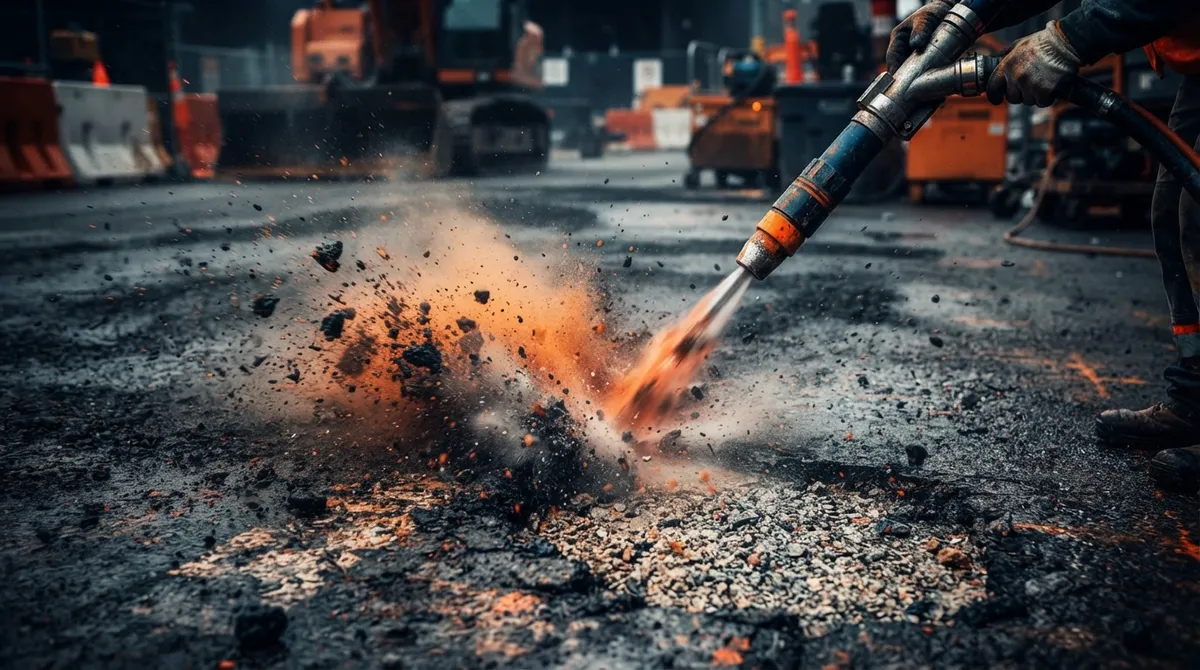
Blasting works best on targeted jobs. It’s not for resurfacing a whole road. Think of it as precision cleanup on the spots that matter.
- Parking lot striping and stall markings that need to be redone or relocated
- Road and fire lane markings in a small, defined area
- Paint spills or overspray from other work
- Graffiti that landed on pavement
- Surface contamination and stubborn buildup
For graffiti on nearby walls and pavement, you may also like our look at graffiti removal blasting facts for Florida.
Will Blasting Damage Asphalt?
This is the question we hear most, and it’s a fair one. The honest answer is that it can if it’s done wrong. Abrasive blasting can roughen the surface, remove binder, and expose or dislodge aggregate when the settings are too aggressive.
The good news is that damage is avoidable. We match the blast to your surface, not the other way around. That means picking the right media, using the right pressure, and testing first.
Why a Test Patch Matters
Before any real work starts, a qualified contractor should assess the pavement and try a small test area. This shows how the surface reacts. It also lets everyone agree on what “done” looks like.
Claims like “dustless” or “no damage” are marketing shorthand. They are not guarantees. A test patch gives you real answers instead of promises.
Signs the Pavement May Be Too Fragile
- Heavy cracking or crumbling edges
- Loose, raveling stone already coming off
- Very old, dry, or oxidized asphalt
- Fresh asphalt that hasn’t fully cured
If you see these, blasting may not be the best fit. A contractor should tell you that up front.
Choosing the Right Media for Asphalt
Media is the material we shoot at the surface. The right media makes all the difference. Harder media cuts faster but risks more damage. Softer media is gentler but may take longer.
| Media Type | Aggressiveness | Best Use on Asphalt |
|---|---|---|
| Soda | Very gentle | Light cleaning, grease, and delicate spots |
| Walnut shell | Gentle | Light coating removal with low surface impact |
| Fine abrasive | Moderate | Paint and marking removal with tight control |
| Coarse abrasive | Aggressive | Usually too harsh for asphalt |
One safety note: crystalline-silica sand should not be treated as a routine blasting abrasive. NIOSH recommends prohibiting silica sand and other abrasives with more than 1% crystalline silica for blasting. Safer media protect crews and the people nearby. To learn more, check out media blasting vs sandblasting and which is safer.
Dry, Wet, or Dustless: What’s the Difference?
Dry blasting uses abrasive media with air. It creates more airborne dust. Wet or water-assisted blasting adds water to the mix, which cuts down dust compared to dry work.
Here’s the catch. Wet blasting does not make hazards disappear. You still have spent media, removed coating, and debris to manage. Runoff must also be kept out of storm drains and waterways.
If you want to dig deeper, we break it down in wet sandblasting vs dry and in what makes dustless blasting so effective.
How Asphalt Blasting Compares to Other Methods
Blasting is just one tool in the box. It isn’t automatically the best choice for every pavement. The right method depends on the material, the condition of the asphalt, project specs, and environmental limits.
| Method | How It Works | Pros | Watch Outs |
|---|---|---|---|
| Abrasive blasting | Media removes marks or coatings | Mobile, targeted, good for small areas | Can strip binder if too aggressive |
| Grinding or milling | Mechanical removal of the surface | Fast on large marking jobs | Removes pavement, leaves a scar |
| Water-based removal | High-pressure water lifts material | Lower dust | Needs water control and cleanup |
| Chemical removal | Strippers break down coatings | Gentle on texture | Environmental and disposal concerns |
No single option wins every time. A small spill near a building may suit blasting well. A long run of old highway striping may call for something else. A good contractor will say so honestly.
Safety and Dust: What You Should Know
Abrasive blasting can create respirable dust and loud noise. OSHA notes hazards can come from the abrasive, the surface being blasted, and any coatings on it. Employers must assess exposures and use proper controls.
- Containment to keep dust and debris in the work zone
- Dust collection or ventilation where it applies
- Respiratory and hearing protection for the crew
- Safe media that avoids high crystalline silica content
For context, OSHA’s permissible exposure limit for respirable crystalline silica is 50 micrograms per cubic meter as an 8-hour average. NIOSH recommends the same level. Always verify the current rules for your specific worksite.
If dust control is a big concern for you, our guide on how pros handle sandblasting dust control is a helpful read. We contain the mess and protect the surrounding area on every job.
Managing Debris and Wastewater
What happens after the blast matters just as much. Spent media, removed paint, and wash water all need a plan. Runoff should never head into storm drains or waterways.
- Set up containment around the work area.
- Collect spent media and loose debris as you go.
- Capture and manage any water used in the process.
- Dispose of waste the way local rules require.
- Leave the pavement swept and clean.
Some older markings or coatings may contain hazardous materials. A careful contractor checks for that before work starts, and confirms any local permits and waste rules.
How a Mobile Service Fits In
One big perk of mobile blasting is simple: we come to you. Our rig is fully mobile and self-contained, so we work in a lot, a driveway, or on a job site without needing your power or water. That’s a real help for localized asphalt work.
Planning still matters. Think about site access, traffic control, and protecting nearby cars and property. For commercial sites, we can even work after hours or on weekends to cut down on disruption. Learn more about our commercial blasting services, or see how we handle cleaning a concrete parking lot or sidewalk.
If you want to see how mobile work compares with hauling things to a shop, take a peek at mobile vs. shop sandblasting.
What to Do Before You Hire Someone
A little prep saves a lot of headaches. Here’s a simple checklist to follow before any asphalt blasting project begins.
- Identify the surface and the coating. Know what you’re removing and what’s underneath.
- Define the finish line. Decide what “clean enough” means.
- Check permits and waste rules. Local requirements vary.
- Agree on a test patch. Try it small before going big.
- Get a clear written estimate. No surprises later.
For more on getting ready, our guide to 9 steps to prepare for sandblasting walks through it nicely. And if you’re weighing price, how much sandblasting estimates really cost can help you set expectations.
How Blastworx Handles Asphalt Jobs
At Blastworx, we’re an owner-operated mobile blasting company based in Tampa. We serve Tampa Bay and the central Florida corridor, including Orlando, Ocala, and Fort Myers. We’re fully insured, and you talk to the people doing the work.
Our process is simple. We start with a walkthrough, then give you a free written estimate the same day. Next, we protect the area and blast the surface at your location. Finally, the surface is left clean and ready for the next step. We handle removal and prep only, so any restriping or recoating is handled by your crew.
Curious about our reach? Check out our service areas, browse our gallery, and visit us on Google and see what our customers are saying about us.
Is Asphalt Blasting Right for Your Project?
Asphalt blasting can be a smart fix for small, targeted jobs. It’s mobile, it’s precise, and it avoids hauling anything away. But it takes calibration, a test area, and the right media to protect the pavement.
If your project is bigger, or the asphalt is fragile, another method might serve you better. The best contractor is the one who tells you the truth. Ready to talk it through? Get a free estimate today, or just give us a call. We’d love to help you get back to clean, sound material.
FAQs
Q: What is asphalt blasting?
A: Asphalt blasting is the use of a portable blast system to remove paint, road markings, coatings, or surface contamination from asphalt. It’s meant for targeted cleanup, not routine pavement repair. The results depend on the media, pressure, and the condition of the pavement.
Q: Will blasting damage or loosen my asphalt?
A: It can if the process is too aggressive, since blasting may strip binder and dislodge stone. That’s why we test a small area first and match the media and pressure to your surface. A careful setup protects the pavement while still getting the job done.
Q: Is wet or dustless blasting safe for asphalt?
A: Wet or water-assisted blasting cuts down airborne dust compared with dry blasting, which is a nice plus. It doesn’t remove every hazard, though, so spent media, debris, and runoff still need to be contained and handled properly. Think of it as a helpful upgrade, not a magic fix.
Q: How does asphalt blasting compare with grinding or milling?
A: Blasting is mobile and great for small, targeted areas, while grinding and milling remove a layer of pavement and can be faster on large marking jobs. The best choice depends on the material, the pavement’s condition, and your project specs. We’ll tell you honestly which one fits.
Q: What should I do before scheduling asphalt blasting?
A: Identify the surface and coating, decide what a finished result looks like, and check local permit and waste rules. Then agree on a small test patch and get a clear written estimate. A little planning up front keeps the whole project smooth.





