
Key Takeaways
-
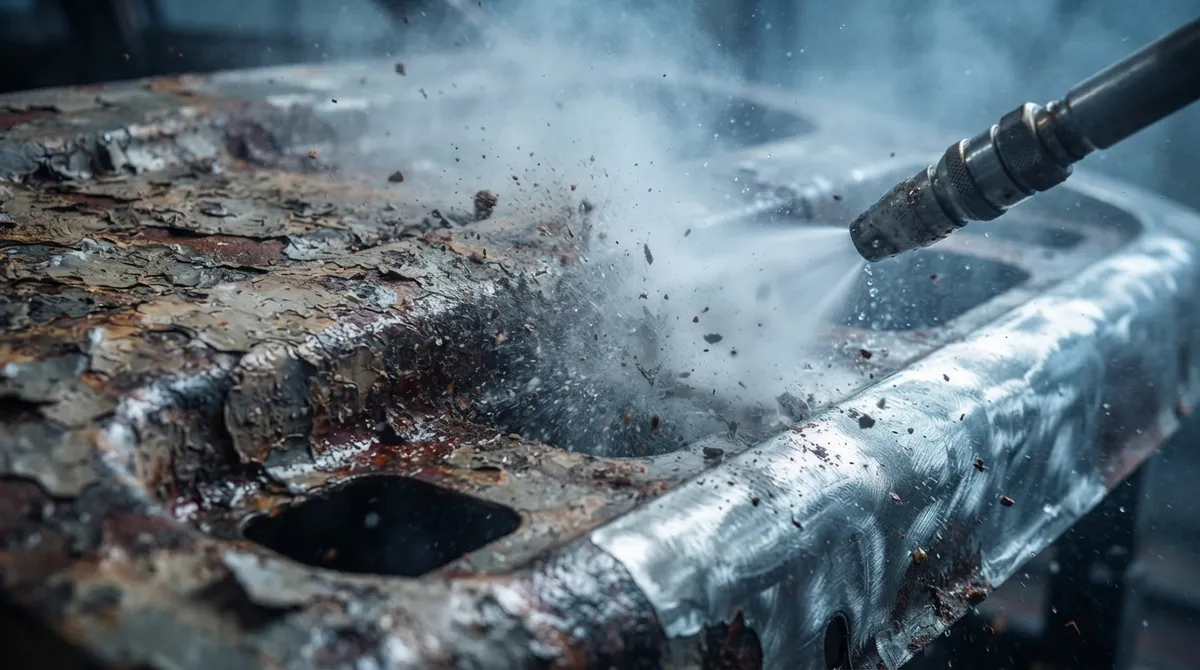
Dustless blasting combines water and abrasive media to remove paint in a single pass without toxic fumes, chemical soak time, or leftover residue that interferes with new coatings.
-
Mobile blasting wins for jobs larger than single furniture pieces or trim because it reaches curves, corners, and seams while also removing rust hiding under paint—something chemical strippers often miss.
-
Match the blasting media to your surface type: use soda or walnut shell for delicate automotive panels and gelcoat, stronger abrasives for steel, since wrong media choices cause warping or pitting.
-
Heat guns and vinegar work only for small trim pieces and light latex paint; for anything larger or multi-layered, professional blasting saves significant time and delivers better results.
Stripping old paint used to mean gloves, fumes, and a garage that smelled like a science lab for a week. Nobody wants that. If you’re looking for how to remove paint without harsh chemicals, the good news is you have real options that skip the toxic strippers entirely and still get the job done fast.
Across Tampa Bay and the central Florida corridor, more homeowners, boat owners, and shop managers are turning to mobile blasting instead of chemical strippers. It’s faster, it’s safer for your lungs, and it works on almost anything. This guide walks through four proven chemical-free paint removal methods, when to use each one, and why blasting usually wins for bigger or tougher jobs.
Why Skip Harsh Chemicals in the First Place
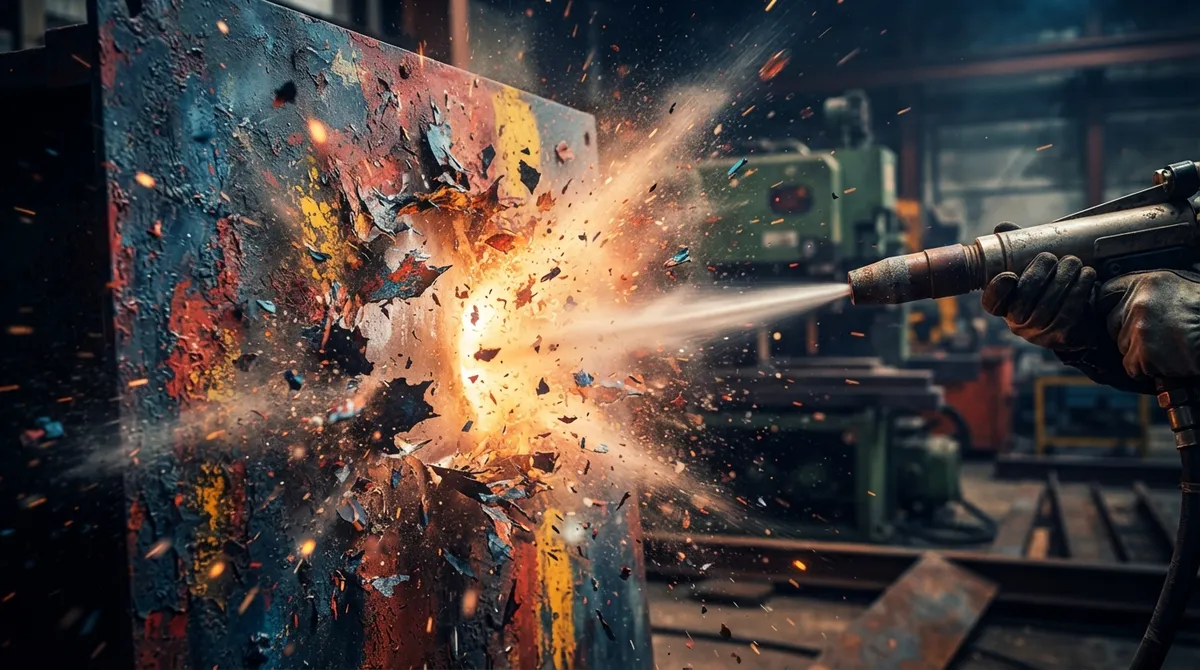
Chemical paint strippers work, but they come with baggage. Many contain methylene chloride or other solvents that produce dangerous fumes. The what is sandblasting process, by comparison, relies on physical abrasion instead of chemical reactions to lift paint off a surface.
Here’s why so many people are ditching the chemical route:
- Strong fumes can cause headaches, dizziness, and long-term respiratory issues
- Chemical strippers often need multiple applications for thick or old paint
- Leftover residue can interfere with new paint or coatings sticking properly
- Disposal of chemical waste has strict rules in many Florida counties
- Chemicals can eat into wood grain, gelcoat, or soft metals if left too long
Mechanical and blasting methods avoid most of these headaches while often finishing the job in less time.

4 Ways to Remove Paint Without Harsh Chemicals
1. Dustless Blasting
Dustless blasting combines water, abrasive media, and compressed air into one stream. The media does the work of lifting paint, while the water knocks down dust as it happens. This makes it one of the most practical eco-friendly paint removal methods available today, especially for larger surfaces like boat hulls, fences, or vehicle frames.
The process strips paint, rust, and old coatings back to clean, sound material in a single pass. There’s no chemical soak time and no waiting around for a stripper to bubble up the old finish. It also leaves a surface that’s genuinely ready for the next step, whether that’s priming, coating, or refinishing.
2. Soda and Specialty Media Blasting
Not every surface can handle standard sand. For automotive body panels, boat gelcoat, or antique wood, soda blasting or walnut shell media offers a gentler touch. These softer abrasives strip paint without digging into the material underneath.
We match the blast to your surface, not the other way around. That means soda or walnut shell for delicate fiberglass and thin body panels, and stronger abrasives for rusted steel or heavy equipment. Choosing the wrong media can cause warping, pitting, or unwanted texture changes, so this step matters more than people expect.
3. Heat Gun and Mechanical Scraping
For small spots, trim pieces, or single furniture items, a heat gun paired with a scraper can work well. The heat softens the paint bond so it lifts off in sheets rather than crumbling into dust. Most guides suggest dwell times of about 10 to 30 minutes before scraping, depending on the paint thickness and surface type.
This method takes patience. It’s slow going on large areas, and it requires steady hands to avoid scorching wood or warping thin metal. It’s a solid choice for a single door or a small railing section, but it’s not practical for a whole fence line or a full vehicle frame.
4. Vinegar and Natural Softening Agents
Household vinegar, sometimes combined with baking soda, can soften certain water-based paints enough for scraping. This method works best on small, lightly painted surfaces and older latex paint layers. It’s cheap and easy to try before committing to bigger tools.
That said, don’t expect vinegar to touch multiple layers of oil-based paint or anything baked on by years of Florida sun. It’s a starter method, not a finisher, for most serious paint removal jobs.
Comparing the Four Methods
| Method | Best For | Speed | Surface Risk |
|---|---|---|---|
| Dustless Blasting | Large surfaces, multiple paint layers, metal and fiberglass | Fast | Low, with correct media and pressure |
| Soda/Specialty Blasting | Delicate surfaces like gelcoat and thin panels | Fast to moderate | Very low |
| Heat Gun and Scraping | Small trim, single items, tight spots | Slow | Moderate, risk of scorching |
| Vinegar Softening | Light latex paint, small areas | Slow | Low, but limited effectiveness |
Why Mobile Blasting Wins for Bigger Jobs
Once a paint removal job gets past a single door or small piece of furniture, blasting usually pulls ahead. It handles curves, corners, and seams that scrapers and heat guns struggle to reach. It also removes rust hiding under the paint, something chemical strippers often miss entirely.
Recommended blasting pressure for car body panels typically falls in the 40 to 80 PSI range, keeping thin metal safe from warping. Lower pressure combined with steady, continuous nozzle movement is the key to avoiding surface damage. This is one reason DIY blasting attempts sometimes go wrong, while a trained operator knows how to adjust on the fly.
Here’s a simple step-by-step look at what a professional mobile blasting job typically involves:
- Walkthrough to assess the surface and pick the right media for the job
- A same-day written estimate so you know the price upfront
- Setup that protects surrounding landscaping, glass, and structures
- Blasting the surface clean, adjusting pressure as needed for thin or delicate areas
- Final inspection to confirm the surface is ready to prime, coat, or refinish
If you want to see this process explained further, our team at Blastworx breaks down our own on-site rust and paint removal approach and how it applies to different surfaces.
What Surfaces Work Best for Chemical-Free Blasting
Mobile blasting isn’t just for cars and boats. It works across a wide range of materials, which is part of why it’s become such a popular alternative to chemical stripping.
- Metal fences, gates, and railings
- Boat hulls, trailers, and marine hardware
- Automotive frames, wheels, and body panels
- Structural steel and industrial equipment
- Pool decks, pavers, and concrete surfaces
- Wood decks and outdoor furniture, with the right low-pressure setup
- Surface size and total area needing paint removal
- Type of media required, since specialty media costs more than standard sand
- Number of paint layers or coatings that need to be stripped
- Site conditions, including how much protection nearby items need
- Travel distance, since mobile crews serve a wide service area
- Small trim piece or single item: heat gun or vinegar softening may be enough
- Furniture or small metal parts: soda blasting offers a gentle, thorough clean
- Fences, railings, or pool decks: mobile blasting saves time and effort
- Vehicles, boats, or industrial equipment: professional blasting is almost always the better call
For automotive work specifically, choosing safer media matters a lot. Traditional sand is often too aggressive for body panels, so many shops lean toward soda, plastic, or walnut shell media instead. You can read more about this approach in our automotive blasting services page, which covers frames, panels, and full restoration prep.
A Quick Word on Lead Paint
Older homes and buildings sometimes have lead-based paint layered underneath newer coats. This isn’t something to guess about. Paint removal projects on older structures need careful containment, protective gear, and proper disposal no matter which method you choose.
Professional blasting crews can contain the work area and manage debris safely, which matters even more when lead is a possibility. If you’re unsure whether a surface might contain lead paint, it’s worth checking guidance from the U.S. Environmental Protection Agency before starting any removal project.
Cost Considerations for Chemical-Free Paint Removal
Pricing for mobile blasting depends on the size of the job, the type of media used, and how much surface protection is needed nearby. Small residential items cost less than full boat hulls or industrial equipment. Here’s a general breakdown of what impacts pricing:
For a clear number, it’s always best to get a free estimate based on your specific project rather than guessing from a general price list.
Choosing the Right Method for Your Project
Not every job needs a full blasting setup. Here’s a simple way to think about it:
Homeowners across Tampa, Clearwater, Brandon, and Riverview often start with small DIY attempts before realizing how much time a professional crew saves on larger paint removal projects. If your project falls into that bigger category, our guide on why mobile paint removal is Tampa’s best kept secret covers more on what to expect.
Wrapping It Up
Removing paint without harsh chemicals is absolutely doable, and honestly, it’s often the smarter route. Whether you go with a heat gun for a small trim piece or bring in mobile blasting for a boat hull, fence line, or full vehicle frame, you get a clean result without the fumes, the mess, or the multi-day chemical soak times.
At Blastworx, we’re fully mobile and self-contained, so we come to you anywhere across Tampa Bay and the central Florida corridor, including Ocala, Orlando, and Fort Myers. We match the blast to your surface, contain the mess, and get you back to clean, bare metal or sound material ready for the next step. You talk to the people doing the work, every time.
Curious what other customers have experienced? Visit us on Google — see what our customers are saying about us before you book. And when you’re ready to get your paint removal project moving, get a free estimate or give us a call today.
FAQs
Q: What is the best way to remove paint without harsh chemicals on metal?
A: Mobile blasting is usually the fastest and safest bet for metal. It strips paint, rust, and old coatings down to clean, bare metal in one pass, without any fumes or soak time to worry about.
Q: Is dustless blasting better than chemical paint stripper?
A: For most jobs, yes. Dustless blasting works faster, skips the toxic fumes, and handles multiple paint layers in one session, while chemical strippers often need repeat applications and careful disposal.
Q: Can mobile blasting remove multiple layers of paint?
A: Absolutely. Blasting is great at cutting through several layers at once, which is one reason it’s so popular for older boats, fences, and vehicles with years of buildup.
Q: What blasting media is safest for car body panels?
A: Soda, plastic, and walnut shell media are all gentler choices for thin automotive panels. We always match the media to the surface so you avoid warping or pitting on delicate metal.
Q: Is paint blasting safe for lead paint removal?
A: It can be, as long as the crew uses proper containment, protective gear, and safe disposal practices. If you suspect lead paint, it’s worth having a professional evaluate the surface before any work begins.





