
Key Takeaways
-
Avoid raw silica sand in blasting operations; it causes silicosis and lung cancer. Use safer alternatives like baking soda, crushed glass, garnet, or walnut shell based on the surface type and coating being removed.
-
Test surfaces for lead, asbestos, and chromium before blasting; old paint often contains hazardous materials that become airborne during uncontrolled dry blasting, endangering workers and nearby residents.
-
Environmental sandblasting requires dust control methods like wet/vapor-assisted blasting, containment barriers, and proper waste collection to prevent debris from spreading to neighboring properties and storm drains.
-
OSHA limits respirable crystalline silica exposure to 50 micrograms per cubic meter over eight hours; reputable contractors maintain written exposure control plans, provide proper respirators, and conduct medical checkups for workers exposed 30+ days yearly.
-
Protect surrounding areas before blasting by covering pools, plants, windows, and furniture with tarps or containment screens, then collect and properly dispose of all spent media and paint chips per EPA and RCRA regulations.
-
Environmental sandblasting costs depend on job size, coating type, and containment needs rather than abrasive choice alone; compare contractors on their testing procedures, equipment, insurance, and waste disposal practices before hiring.
If you’ve ever watched a cloud of gritty dust drift across a neighbor’s yard during a blasting job, you know why environmental sandblasting matters. It’s not just a buzzword. It’s the difference between a job that protects your family, your workers, and your property, and one that leaves a mess for someone else to clean up. We get asked about this all the time here in Tampa Bay, and we’re happy to walk you through it, because honestly, this stuff should be common knowledge.
Environmental sandblasting simply means blasting done the right way. It’s about picking the right abrasive, controlling dust, protecting nearby surfaces, and handling waste responsibly. Whether you’re stripping paint off a fence, prepping a boat hull, or removing rust from structural steel, the goal is the same: clean results without contaminating the surrounding area. In this guide, we’ll cover what makes blasting truly environmentally responsible, which materials are safer, what the rules say, and how to pick a contractor who actually follows through. Grab a coffee and let’s dig in.
What Environmental Sandblasting Really Means
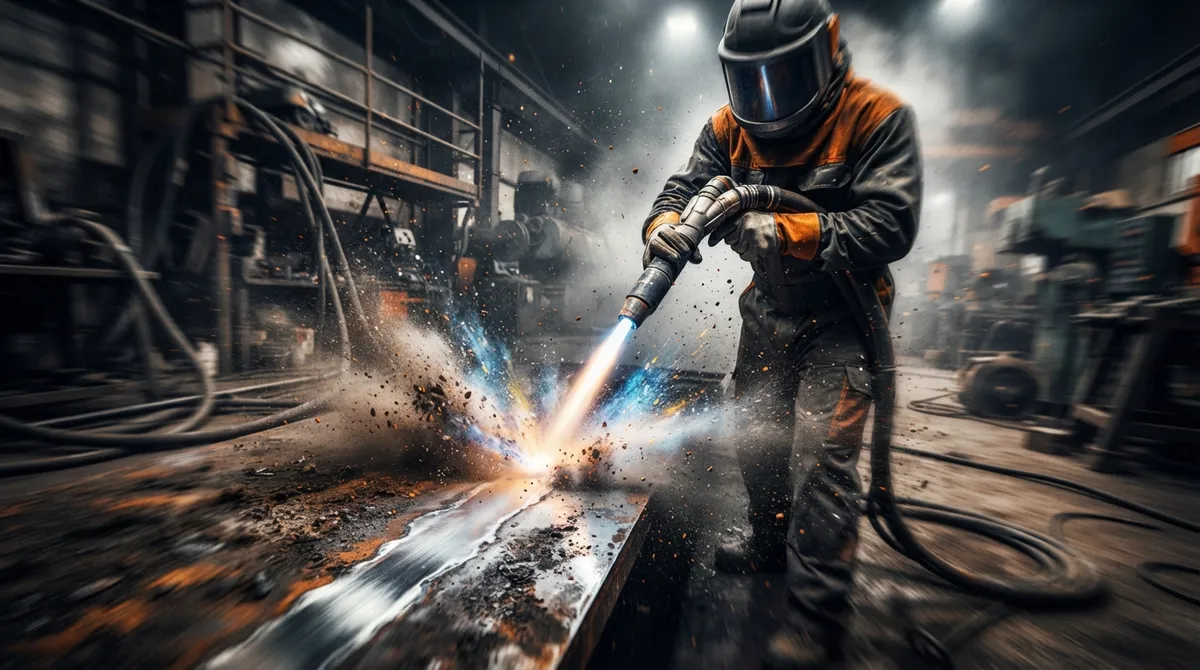
At its core, environmental sandblasting is about minimizing harm while still getting the job done. That means less dust in the air, less noise for the neighbors, and no toxic debris ending up in the soil or storm drains. It’s a mindset as much as a method.
This matters because what is sandblasting in its raw form can actually create hazards if it’s not managed carefully. Old paint might contain lead. Some coatings hide asbestos or chromium. Uncontrolled dry blasting can send all of that airborne, putting workers and nearby residents at risk. Responsible contractors test the surface first, then plan around what they find.
Here’s what separates a low-impact blasting job from an old-school, dust-everywhere approach:
- Choosing an abrasive suited to the surface and coating, not just whatever’s cheapest
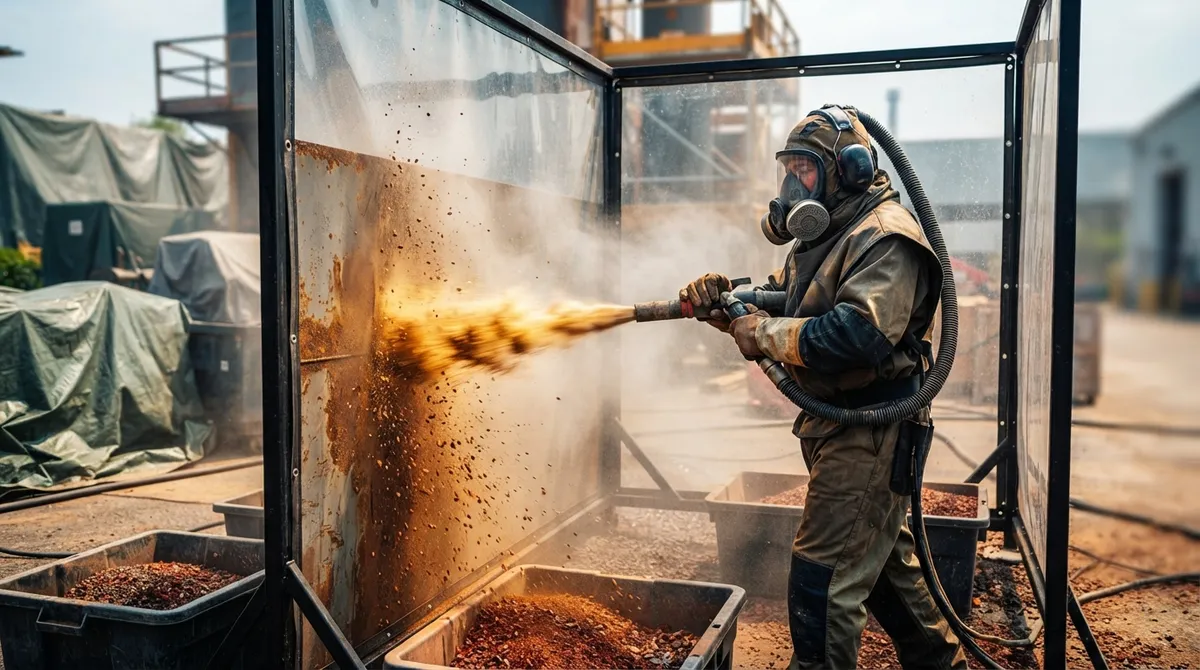
- Using containment barriers or tarps to stop debris from spreading
- Adding water or vapor to suppress dust during the blast
- Collecting and properly disposing of spent media and paint chips
- Protecting landscaping, vehicles, pools, and windows nearby
- Following OSHA and state rules for worker safety and waste handling

Why Traditional Sand Isn’t the Answer Anymore
Old-school silica sand blasting has a serious problem: it creates fine dust that can cause lung disease. Crystalline silica sand should generally be avoided by professional blasting crews, and for good reason. Breathing in that dust over time can cause silicosis, a permanent lung condition, and it raises the risk of lung cancer too.
That’s why most reputable mobile blasting companies, including us, have moved away from raw silica sand. We match the blast to your surface, not the other way around, which means picking safer materials that still get the job done right.
Safer Abrasive Options Worth Knowing
There are plenty of alternatives to silica sand that work just as well, sometimes better, depending on the project. Here’s a quick rundown:
| Abrasive Type | Best For | Environmental Notes |
|---|---|---|
| Baking soda | Fiberglass, gelcoat, delicate wood | Water soluble, low dust, gentle on surfaces |
| Crushed glass | Metal, concrete, general prep | Recycled material, low free silica |
| Garnet | Steel, marine hardware | Reusable, low dust generation |
| Walnut shell | Soft wood, classic car trim | Biodegradable, gentle abrasive |
| Steel or iron grit | Heavy industrial steel | Recyclable multiple times |
| Aluminum oxide | Fine detail, metal prep | Durable, lower dust than sand |
Choosing the right one depends on the coating, the substrate, and what the surface needs to look like when you’re done. That’s why a good contractor asks questions before ever pulling the trigger on the blast nozzle.
Dust Control Methods That Actually Work
No blasting method is automatically safe just because it sounds “green.” Even eco-friendly media can kick up dust if it’s not paired with the right controls. Here’s how professionals keep things contained:
- Wet or vapor-assisted blasting to knock dust down before it spreads
- Temporary containment structures like tarps, screens, or full enclosures
- Local exhaust ventilation and dust collection systems
- Negative-pressure setups for indoor or enclosed spaces
- Careful cleanup and collection of all spent material after the job
Wet and dustless methods can dramatically cut down airborne particles, but they’re not a magic fix. Wet blasting creates wastewater and wet abrasive sludge that still needs to be captured and disposed of properly. Nobody wants that runoff heading into a storm drain or soaking into the yard. If you’re curious how this looks in practice, check out what makes dustless blasting in Tampa so effective for a closer look at the process.
Handling Lead Paint and Hazardous Coatings
Older homes and structures around Tampa Bay sometimes have lead-based paint hiding under newer layers. This isn’t something to guess about. A responsible contractor tests the coating before starting, then plans the job around what they find.
If lead is present, the crew needs to:
- Control the work area so debris can’t drift to neighboring properties
- Protect workers with proper respiratory gear and clothing
- Collect every bit of spent abrasive and paint chip debris
- Test the waste using EPA Method 1311, the Toxicity Characteristic Leaching Procedure, before disposal
Under RCRA rules, waste with lead levels above 5.0 milligrams per liter in that leaching test is typically classified as hazardous. That changes how it has to be hauled away and disposed of. It sounds technical, but it just boils down to this: don’t guess, test, and dispose of it the right way. If you’re dealing with an older structure, our guide on why coating removal services beat DIY prep explains why this isn’t a weekend project.
OSHA Rules Every Mobile Blasting Contractor Should Follow
Worker safety is just as much a part of environmental sandblasting as protecting the neighborhood. OSHA has clear rules about how much airborne silica a worker can be exposed to, and reputable contractors take this seriously.
The key numbers to know:
- Action level: 25 micrograms of respirable crystalline silica per cubic meter of air, averaged over eight hours
- Permissible exposure limit: 50 micrograms per cubic meter over the same eight-hour period
- Workers wearing respirators 30 or more days a year may need medical checkups, including chest X-rays and lung function tests, at least every three years
These rules exist because silica exposure is no joke. It’s a leading cause of silicosis and it increases lung cancer risk. A contractor who takes this seriously will have a written exposure control plan, proper respirators on hand, and training for every crew member. That’s part of being fully insured and running things the right way, not cutting corners to save a few bucks.
Protecting Your Property During the Job
Whether we’re working on a pool deck in Brandon or a dockside project in Clearwater, protecting what’s around the job site matters just as much as the blasting itself. Here’s what a careful setup usually includes:
- Covering pools, plants, and outdoor furniture before the blast starts
- Taping off and shielding windows and glass surfaces
- Using tarps or containment screens to catch debris
- Sweeping and vacuuming all spent media before leaving the site
- Checking with the homeowner or site manager before wrapping up
We contain the mess and we protect the surrounding area, every single time. It’s not an afterthought, it’s baked into how we plan every job from the start.
What Environmentally Responsible Blasting Costs
People often assume “eco-friendly” means “expensive.” That’s not always true. Costs depend more on the size of the job, the coating being removed, and how much containment is needed than on the abrasive alone. A small fence or railing job might run a few hundred dollars, while a full boat hull or industrial tank could run into the thousands.
For a clearer breakdown of typical pricing, take a look at how much sandblasting estimates really cost. We always provide a same-day, written estimate, and the price we quote is the price you pay. No surprises.
Choosing the Right Mobile Blasting Partner
Not every blasting company treats environmental responsibility the same way. Here’s what to look for when you’re comparing options:
- They test surfaces for lead or hazardous coatings before starting
- They explain which abrasive they’ll use and why
- They have containment and dust control equipment on hand
- They’re upfront about waste disposal procedures
- They’re fully insured and willing to answer your questions directly
At Blastworx, we’ve built our whole process around this. From marine hulls to residential pool decks, we walk the site first, figure out the right media for the surface, and give you a straightforward estimate before we ever start blasting. You can browse examples of past work in our gallery to see the kind of clean results we aim for. And when you call, you talk to the people actually doing the work, not a call center reading from a script.
We serve Tampa, Clearwater, Sarasota, Ocala, Orlando, Fort Myers, and plenty of towns in between, including Brandon, Riverview, Plant City, Lutz, and St. Pete. Check out our full service areas page to see if we cover your neighborhood. If you’re curious what real customers think, feel free to visit us on Google — see what our customers are saying about us.
Common Projects That Call for Environmental Sandblasting
This approach applies across nearly every type of blasting work we do. A few examples:
- Marine hulls and trailers, where soft media protects fiberglass and gelcoat
- Automotive frames and body panels, where lower pressure prevents warping
- Industrial tanks and structural steel, where dustless methods keep job sites safe
- Commercial buildings and graffiti removal, where containment protects nearby storefronts
Each of these calls for a slightly different plan, but the underlying principle stays the same. Use the right media, control the dust, protect the surroundings, and dispose of waste properly. That’s the whole philosophy behind environmental sandblasting, and it’s not complicated once you break it down.
Ready to Get Started?
Environmental sandblasting isn’t some extra add-on service, it’s just how blasting should be done, period. It protects your family, your workers, your property, and the neighborhood around you. And honestly, it usually leads to a better final result too, since careful prep means whatever finish or coating goes on next actually sticks.
If you’ve got a project brewing, whether it’s a rusty fence, a boat that needs stripping, or a commercial building that needs graffiti gone, we’d love to help. Reach out today to get a free estimate, or if you’d rather talk it through first, give us a call and we’ll walk you through the process. We come to you, we’re fully mobile and self-contained, and we’re ready when you are.
FAQs
Q: What is environmental sandblasting, and how does it differ from traditional sandblasting?
A: Environmental sandblasting focuses on minimizing dust, waste, and hazardous exposure while stripping coatings or rust. Traditional dry blasting with raw sand can send silica dust everywhere, while a responsible approach uses safer media, containment, and proper cleanup. It’s really just blasting done thoughtfully, with your health and property in mind.
Q: Is mobile sandblasting safe for homes, vehicles, and nearby properties?
A: Yes, when it’s done right. We cover pools, plants, and windows before we start, and we contain the mess with tarps or screens so debris doesn’t drift onto your neighbor’s yard. Our whole process is built around protecting the surrounding area, not just the surface we’re working on.
Q: What blasting media is the most environmentally friendly?
A: It depends on the surface, but baking soda, crushed glass, garnet, and walnut shell are all solid, lower-impact options compared to raw silica sand. We pick the media based on what’s being cleaned, whether it’s a fragile boat hull or a heavy steel beam. There’s no one-size-fits-all answer, which is why we match the blast to your surface.
Q: Can mobile blasting remove lead paint without contaminating the surrounding area?
A: Yes, but it takes careful planning. We test for lead first, then set up proper containment, protective gear, and waste collection before touching the surface. Every bit of debris gets collected and disposed of according to hazardous waste rules, so nothing lingers behind.
Q: How much does environmentally responsible mobile sandblasting cost?
A: Costs vary based on the size of the job, the coating being removed, and how much containment is needed, not really the type of media used. Small residential jobs might run a few hundred dollars, while larger industrial or marine projects cost more. We always give a same-day written estimate, so you know exactly what to expect before we start.





