
Key Takeaways
-
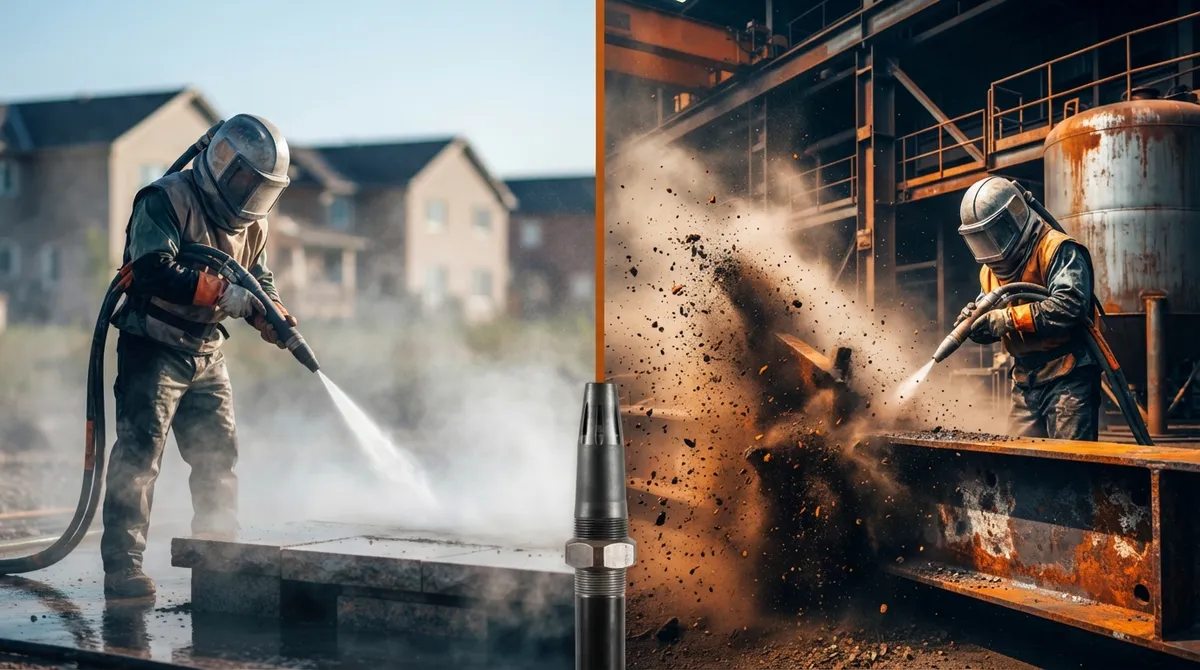
Wet sandblasting reduces airborne dust by up to 92% compared to dry blasting, making it ideal for occupied areas near homes, pools, or businesses where dust control is critical.
-
Dry blasting removes material 10-20% faster than wet blasting and is better for heavy rust and thick coatings on open sites, making it more cost-effective for industrial jobs.
-
Wet blasting introduces flash rust risk on bare steel within hours if the surface isn’t dried quickly or treated with inhibitor, so dry blasting is safer for metal projects where coating is delayed.
-
Choose wet blasting for residential and commercial properties where dust containment and smoother finishes are priorities; choose dry blasting for speed and simplicity on heavy-duty removal jobs.
-
Mobile blasting crews can assess your specific surface, location, and goals on-site and adapt their method accordingly, eliminating guesswork from phone estimates.
So you’re staring down a rusty fence, a stained pool deck, or an old boat hull, and someone mentioned wet sandblasting vs dry blasting like you’re supposed to know the difference. Don’t worry, you’re in good company. Most folks in Tampa, Orlando, or Fort Myers don’t think about blasting methods until they need one. That’s exactly why we put together this friendly guide, so you can walk into your next project feeling confident instead of confused.
At Blastworx, we get asked about wet versus dry blasting almost every week. Whether it’s a homeowner in Riverview with a rusty gate or a marina customer in Clearwater with flaking bottom paint, the question is the same: which method actually works better? The honest answer is that both have their place, and the right choice depends on your surface, your surroundings, and what you’re trying to achieve. Let’s break it down together.
What Is Wet Sandblasting, Really?
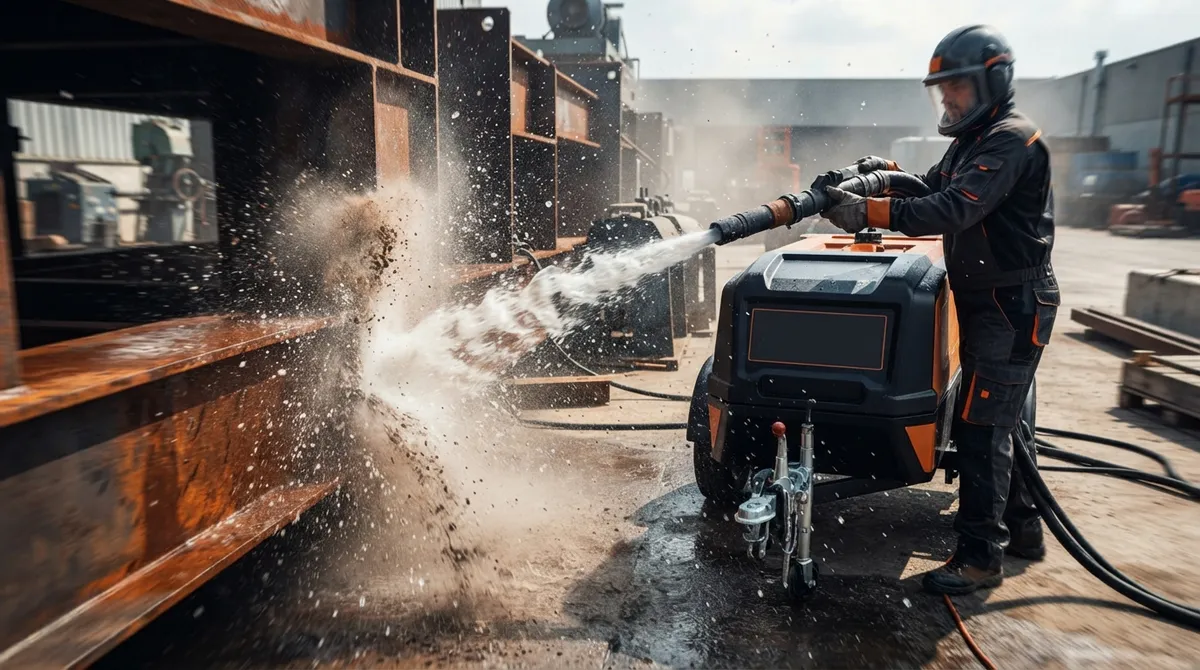
Wet sandblasting, also called dustless blasting or vapor blasting, mixes water into the abrasive stream before it ever leaves the nozzle. Instead of just air and grit flying at your surface, you get a controlled mix of water and media working together. This isn’t a new idea. It’s built on the same basic principle behind what is sandblasting, just with a twist that changes how it behaves in the real world.
The water does a few important jobs at once. It knocks dust down before it becomes airborne, it helps cool the surface, and it can leave things looking a little smoother when the work is done. For jobs near homes, pools, or busy streets, that dust control can be a genuine game changer.
How Dry Blasting Works
Dry blasting is the classic method. Compressed air pushes abrasive media, whether that’s sand, soda, or another blast media, straight at the surface with no water involved. It’s simple, it’s been around forever, and it’s often faster for stripping heavy rust or thick paint.
Because there’s no water to manage, dry blasting setups tend to be quicker to move and set up. That matters a lot for a mobile operation working job to job across central Florida.
Wet Sandblasting vs Dry: The Core Differences
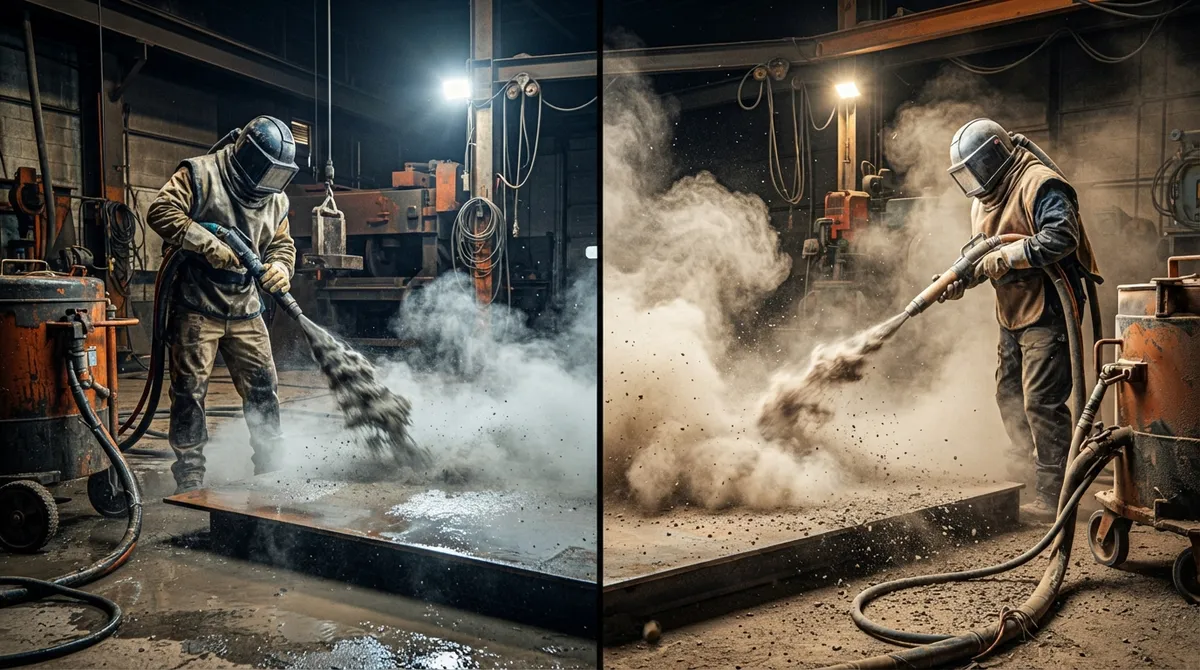
Let’s put this side by side, because seeing it laid out tends to make the decision much easier.
| Factor | Wet Sandblasting | Dry Blasting |
|---|---|---|
| Dust Levels | Up to 92% less airborne dust | Higher dust output, needs containment |
| Speed | Slightly slower, 80-90% of dry blasting rate | Generally faster material removal |
| Best For | Occupied areas, sensitive surfaces | Heavy rust, thick coatings, open sites |
| Surface Finish | Often smoother | Can be more aggressive |
| Flash Rust Risk | Higher on bare steel without inhibitor | Lower, since no moisture is involved |
| Typical Cost | Usually higher | Usually more affordable |
Notice that neither method wins across the board. That’s the whole point. The “best” choice always comes back to your specific surface and situation, which is why we always start with a walkthrough before recommending anything.
When Wet Sandblasting Makes the Most Sense
Wet sandblasting shines in situations where dust control is the top priority. Here are the scenarios where we tend to recommend it:
- Occupied homes where neighbors, kids, or pets are nearby
- Commercial storefronts in busy areas like downtown Tampa or Sarasota
- Marine work near the water, where dust and debris need to stay contained
- Jobs close to pools, landscaping, or delicate plants
- Surfaces where a smoother, gentler finish is preferred
- Sites where full containment with tarps or barriers isn’t practical
If you’ve ever driven past a job site and wondered how they kept the dust from drifting everywhere, there’s a good chance wet blasting was part of the answer. We talk more about this approach in our post on what makes dustless blasting in Tampa so effective.
The Dust Reduction Advantage
That 92% dust reduction number isn’t just a nice marketing line. It translates into real benefits on the ground. Less dust means fewer complaints from neighbors, easier cleanup, and a safer breathing environment for everyone nearby, including our own crew.
For homeowners worried about overspray landing on cars, pool decks, or siding, wet blasting often solves that headache before it starts. If you’re curious how this applies to residential work specifically, our guide on 3 dustless blasting wins for Florida homes covers it well.
When Dry Blasting Is the Better Call
Dry blasting still earns its keep, and for good reason. Here’s when we typically lean toward it:
- Heavy rust removal on structural steel or industrial equipment
- Thick, stubborn paint layers that need aggressive stripping
- Open sites like fields, rural properties, or isolated industrial yards
- Jobs where speed matters more than dust control
- Situations where flash rust risk needs to be avoided entirely
- Budget-conscious projects where cost efficiency is the priority
One interesting data point: a field evaluation found wet blasting removal rates run about 80% to 90% of dry blasting speeds. That gap might sound small, but on a large industrial job, it adds up in labor hours. This is part of why dry blasting remains popular, even with a reported 90/10 operator preference toward dry methods in some mobile blasting circles, according to anecdotal industry discussion.
The Flash Rust Factor
Here’s something a lot of people don’t think about until it bites them. Wet blasting introduces moisture onto bare metal, and if that surface isn’t dried quickly or treated with a rust inhibitor, flash rust can appear within hours. On steel structures or automotive frames, that’s a real concern.
Dry blasting sidesteps this problem entirely since no water touches the surface. For projects where the metal needs to sit before coating, or where humidity is already working against you here in Florida, dry blasting can be the safer bet. We cover related concerns in our article on 7 structural steel blasting facts Florida owners need.
How We Decide Which Method to Use
We don’t pick a method before we’ve seen your project. Every job gets evaluated on its own terms, which is part of why we say we match the blast to your surface, not the other way around.
Here’s our general process for figuring out the right approach:
- We look at the surface material, whether it’s steel, wood, concrete, fiberglass, or brick
- We consider the location, especially how close it is to homes, pools, or businesses
- We factor in the coating or contamination being removed, since heavy rust behaves differently than old paint
- We think about timeline and budget, since wet and dry blasting come with different costs
- We plan for cleanup and containment based on what the site allows
This is the same thinking we bring to every service area, whether it’s marine work on a dock in St. Pete or residential jobs on a pool deck in Brandon.
Surface-Specific Considerations
Different materials react differently to wet and dry methods, and it’s worth understanding a few key examples.
Concrete and Pavers
Concrete surfaces, like pool decks being prepped for resurfacing, often do well with either method, though wet blasting helps a lot when the job site sits close to a home or landscaping. If you’re prepping pavers before sealing, our post on 5 steps to clean pavers before sealing walks through the details.
Metal and Steel
Bare steel is where the wet versus dry debate gets the most attention because of flash rust risk. For fences, railings, and gates, our article on 14 proven ways to remove rust from railings dives into this in more detail.
Fiberglass and Gelcoat
Marine surfaces like boat hulls need a gentler touch. Wet blasting with softer media protects gelcoat while still stripping old bottom paint effectively, which matters a lot for boat owners along the Gulf Coast.
Cost Considerations
Let’s talk numbers, because budget is always part of the conversation. Wet blasting setups typically cost more to run due to water handling and slightly slower removal rates. Dry blasting tends to be more budget-friendly for straightforward jobs where dust isn’t a major concern.
That said, cost shouldn’t be the only factor. A cheaper method that damages landscaping or upsets neighbors can end up costing more in goodwill and cleanup. We always walk clients through how much sandblasting estimates really cost so there are no surprises.
Why Mobile Blasting Makes This Decision Easier
One big advantage of working with a mobile blasting crew is flexibility. We come to you, fully equipped and self-contained, which means we can adapt our method on-site based on what we actually see rather than guessing from a phone call.
Our four-step process keeps things simple:
- We do a walkthrough or review photos to choose the right media
- We provide a free, written estimate the same day
- We protect the surrounding area, then blast the surface clean on-site
- We leave the surface ready for the next step, whether that’s priming, coating, or resurfacing
This approach works whether you’re dealing with an industrial tank needing weld prep, a commercial storefront covered in graffiti, or an automotive frame that needs to go back to bare metal. If you’d like to see the range of work we handle, check out our gallery for real examples from around Tampa Bay.
Making the Right Call for Your Project
At the end of the day, wet sandblasting vs dry isn’t about picking a winner. It’s about matching the method to your surface, your location, and your goals. Wet blasting wins on dust control and gentleness. Dry blasting wins on speed and simplicity for tougher jobs. Both are valuable tools, and a good mobile blasting crew should be comfortable using either one.
We proudly serve Tampa, Clearwater, Sarasota, Ocala, Orlando, Fort Myers, and communities in between, including Brandon, Riverview, Plant City, and Lutz. Check out our full service areas page to see if we cover your part of central Florida. And if you want to know what past customers thought of our work, visit us on Google — see what our customers are saying about us.
Ready to figure out which method fits your project? Get a free estimate today, or feel free to give us a call to talk through your job with the people who actually do the work.
FAQs
Q: What is the difference between wet sandblasting and dry sandblasting in mobile blasting?
A: Wet sandblasting mixes water into the abrasive stream to cut down dust, while dry blasting uses only compressed air and media. Wet blasting is gentler and cleaner, dry blasting is usually faster and better for heavy rust or thick coatings.
Q: Is wet blasting better than dry blasting for removing rust and paint?
A: It depends on the job. Dry blasting often removes heavy rust and thick paint faster, while wet blasting works great when you need a gentler touch or better dust control in tight spaces.
Q: Does wet sandblasting really eliminate dust?
A: It won’t eliminate every particle, but wet blasting can cut airborne dust by up to 92% compared to dry blasting. That makes a huge difference for jobs near homes, pools, or busy streets.
Q: Does wet blasting cause flash rust on steel?
A: It can, if the surface isn’t dried quickly or treated with a rust inhibitor afterward. This is one reason dry blasting sometimes gets picked for bare steel projects where moisture is a concern.
Q: Is dry blasting cheaper than wet blasting for mobile blasting jobs?
A: Generally yes, dry blasting tends to cost less since there’s no water system to manage and it often removes material faster. Wet blasting can cost a bit more but pays off when dust control and finish quality matter most.





