
Key Takeaways
-
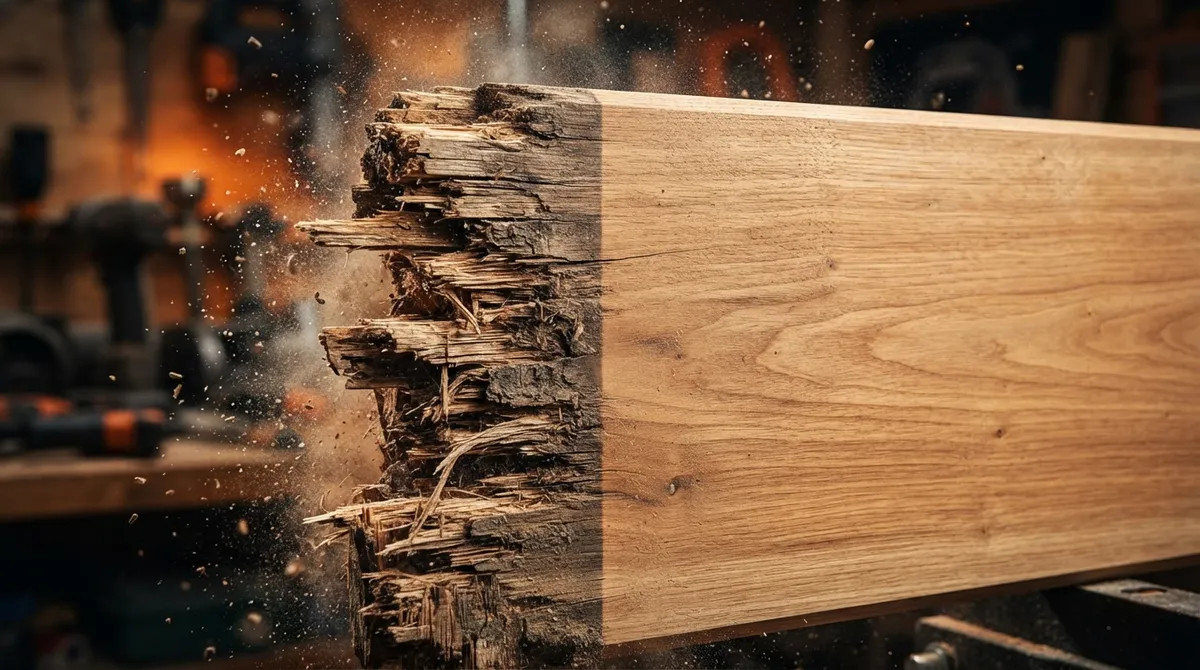
Dry sandblasting with silica sand, aluminum oxide, or silicon carbide causes permanent damage to wood by tearing into fibers; use gentle media like walnut shell or corn cob instead for safe paint and coating removal.
-
Pressure settings are critical—softwoods need 30-40 PSI and hardwoods 40-60 PSI maximum to prevent fiber tearing, fuzzy surfaces, and uneven erosion that follows wood grain patterns.
-
Wet abrasive (dustless) blasting is superior for wood restoration because it suppresses 95% of dust, prevents fiber damage, and safely removes lead paint without sending harmful particles airborne.
-
Softwoods like pine and cedar are especially vulnerable to damage from high-pressure blasting, causing severe fiber roughening, soft spongy spots, and blotchy finishes after staining.
-
Grain raising—a fuzzy or blotchy texture that appears after staining—occurs when blasting erodes softer wood grain faster than denser grain; light hand sanding before finishing solves this issue.
-
Sharp edges and detailed carving work are permanently softened by any blasting process; test on hidden areas first and use lowest effective pressure with gentle media for antique or sentimental wood pieces.
Got an old wood deck, a tired fence, or a set of shutters covered in flaking paint? You might be wondering if blasting is safe, or if it will chew up the wood and leave you with a mess. It’s a fair question, and one we hear a lot from homeowners across Tampa Bay. The honest answer is: it depends entirely on how the job is done.
Does sandblasting damage wood? Done wrong, yes, absolutely. Dry, high-pressure blasting with harsh media can turn a beautiful wood surface into something rough, fuzzy, and uneven. But done right, with the correct media, pressure, and a little patience, blasting can strip old paint and grime while leaving the wood in great shape, ready to refinish. Let’s walk through exactly what makes the difference, so you know what to ask for before anyone points a nozzle at your favorite porch railing.
1. Dry Sandblasting Is the Biggest Risk to Wood
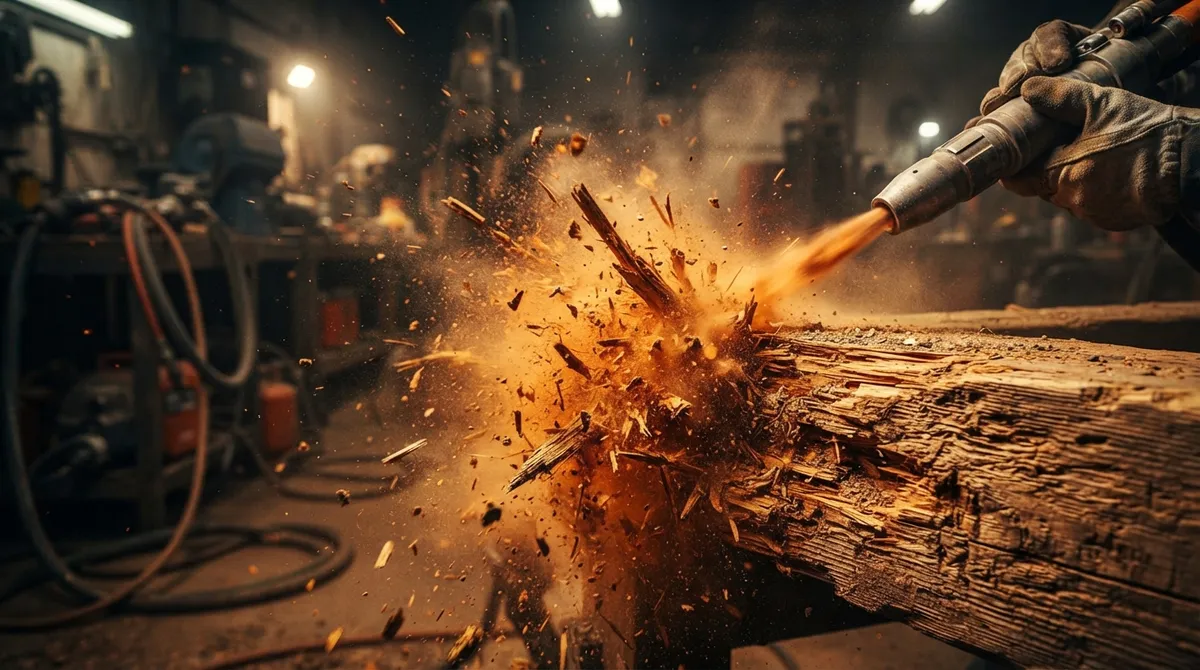
Traditional dry sandblasting uses silica sand or other hard abrasives blasted at high pressure. This method was built for metal and concrete, not soft, fibrous wood. When it hits a wood surface, it doesn’t just remove paint. It tears into the wood fibers themselves.
This is the number one reason people ask does sandblasting damage wood in the first place. The short answer is that the wrong media and pressure combination almost always causes damage. That’s why picking the right approach matters so much before work begins.
2. Silica Sand and Aggressive Media Cause Permanent Damage
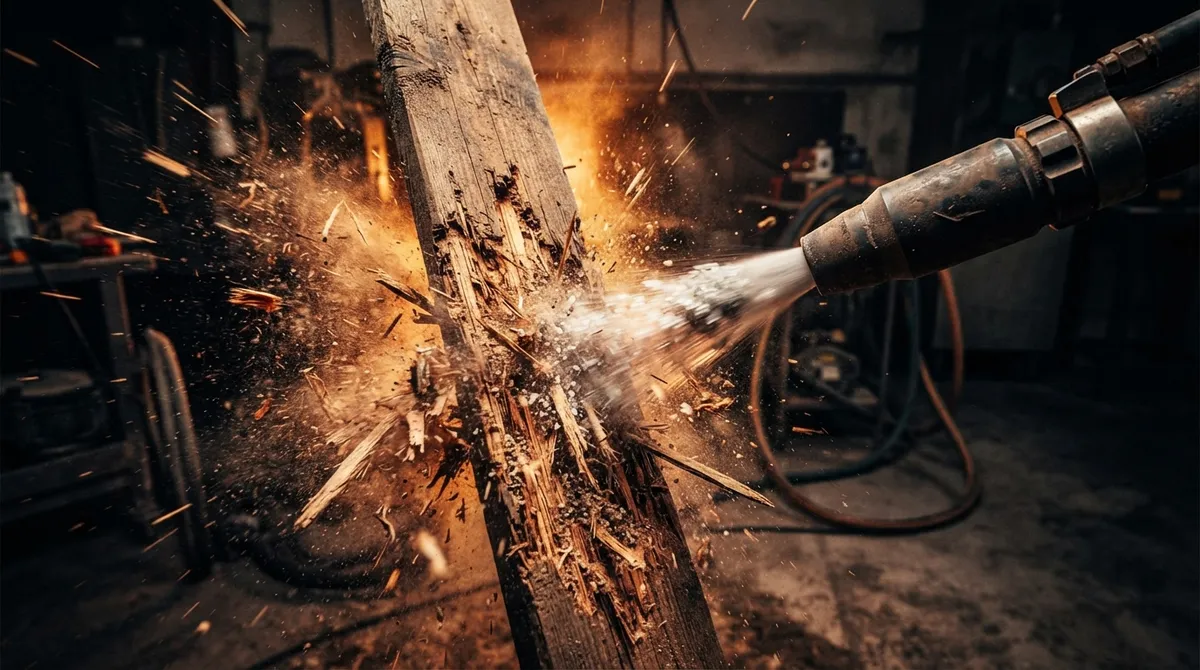
Silica sand, aluminum oxide, and silicon carbide are aggressive abrasives. They cut fast and hard. That’s great for rust on steel. It’s terrible for wood.
These media types dig into softer wood fibers and leave a rough, uneven, almost fuzzy finish. Worse, silica sand is also a known health hazard when it becomes airborne, which is one more reason it has fallen out of favor for wood work. If you want to understand more about how what is sandblasting actually works at the material level, it helps explain why the wrong abrasive causes so much trouble on delicate surfaces.
3. Softwoods Are Especially Vulnerable
Pine, cedar, fir, and other softwoods have less dense grain than oak or maple. That makes them beautiful and easy to work with, but also much easier to damage during blasting.
High-pressure dry blasting on softwood often causes:
- Severe fiber roughening across the whole surface
- Uneven erosion that follows the wood grain pattern
- Soft spots that feel spongy or fuzzy to the touch
- Loss of crisp edges and detail work
- A blotchy, inconsistent look once stain is applied
If you have softwood fencing, trim, or furniture, this is exactly why the media and pressure choice matters so much more than on a metal railing.
4. Walnut Shell and Corn Cob Are the Gentle Heroes
Here’s the good news. There are media types built specifically for wood, and they work beautifully. Walnut shell and corn cob are softer, organic abrasives that clean and strip without tearing into the fibers underneath.
These media types are popular for a reason. They remove old paint, stain, and grime while leaving the wood surface smooth and ready to refinish. This is the media we reach for most often when tackling wood restoration on residential jobs around Tampa.
5. Pressure Settings Make or Break the Job
Even the gentlest media can cause damage if the pressure is cranked too high. Getting this right is part science, part experience, and it’s a big part of why hiring a pro pays off.
Here’s a general guide for safe wood blasting pressure:
| Wood Type | Recommended PSI | Notes |
|---|---|---|
| Softwood (pine, cedar) | 30-40 PSI | Low pressure prevents fiber tearing |
| Hardwood (oak, maple) | 40-60 PSI | Denser grain can handle more force |
| Heavy coating removal | 50-60 PSI | Requires careful monitoring throughout |
These numbers aren’t set in stone. They shift based on how many coats of paint you’re removing, how old the wood is, and how much detail needs protecting.
6. Wet Abrasive Blasting Is Often the Better Choice
Dustless blasting, also called wet abrasive blasting, mixes water with the media before it hits the surface. This slows the impact just enough to remove coatings without tearing up the wood underneath.
The benefits stack up quickly:
- It suppresses about 95% of dust compared to dry blasting
- It keeps the surrounding area cleaner and safer
- It reduces the risk of scorching or over-cutting the wood
- It works well for lead paint removal without sending particles into the air
- It’s easier on delicate trim, molding, and carved details
We cover more on why this method has become so popular in our post on what makes dustless blasting in Tampa so effective.
7. Grain Raising Is a Common Side Effect
Ever seen a piece of wood that looks fine right after blasting, but turns fuzzy or blotchy once you apply stain? That’s called grain raising, and it happens because blasting erodes the softer summer growth rings faster than the denser winter rings.
This creates a slightly uneven texture. It’s not always visible until stain highlights the difference. A light hand sanding after blasting usually smooths this out before finishing.
8. Sharp Edges and Detail Work Take the Hardest Hit
If you have carved trim, raised panel doors, or antique furniture with fine detail, know this going in: any blasting process will soften sharp edges over time. It’s simply the nature of abrasive impact.
For delicate antique pieces, we recommend:
- Testing on a hidden or less visible section first
- Using the lowest effective pressure setting
- Choosing walnut shell over harder media
- Working in short passes instead of one long blast
- Having a professional handle anything with historic or sentimental value
9. Lead Paint Removal Requires Extra Care
Older homes across central Florida often have layers of lead-based paint on trim, siding, and doors. Dry sandblasting can send that lead into the air, which is a serious health concern for anyone nearby.
Wet abrasive blasting is the safer route here, since the water suppresses dust and keeps particles from becoming airborne. If you suspect lead paint on your property, it’s worth checking guidance from the U.S. Environmental Protection Agency before starting any removal project, and definitely worth calling a pro with the right containment setup.
10. Common Wood Surfaces We Restore
Mobile blasting works well on a wide range of wood features around the home and property. Some of the most common jobs we see include:
- Wood fences and gates
- Deck boards and railings
- Porch columns and trim
- Lanai frames and screen enclosures
- Outdoor furniture
- Wood siding and shutters
Each of these needs a slightly different approach depending on the wood species, age, and how many coats of old paint or sealer are stacked up. That’s why we always start with a walkthrough before touching the nozzle to your wood.
11. Our Process for Wood Blasting Jobs
We built our process to protect the wood, not just strip it. Here’s how a typical job unfolds:
- We look at the surface, or review your photos, and pick the right media for your wood type
- We provide a clear, written estimate the same day, with no surprises later
- We protect the surrounding landscaping, windows, and pool areas before we start
- We blast at the lowest effective pressure, checking the surface as we go
- We leave the wood clean and ready for the next step, whether that’s staining, sealing, or painting
This careful, step-by-step approach is how we match the blast to your surface, not the other way around. It’s the same standard we hold across every job type, from marine hulls to automotive frames.
12. When to Call a Pro Instead of Renting Equipment
Rental blasting equipment can tempt a lot of DIYers, but wood is one of the trickiest materials to get right. A few extra PSI or the wrong media can turn a weekend project into a costly do-over.
Consider calling a professional if:
- The wood has historic, antique, or sentimental value
- You suspect lead paint under old layers
- The piece has detailed carving or trim work
- You want a consistent finish across a large surface like a fence or deck
- You’re not sure which media or pressure setting to use
Getting this step right protects your investment and saves you from redoing the work later. If you’re weighing sandblasting against other prep methods for outdoor surfaces, our article on sandblasting vs. pressure washing for concrete covers some helpful comparisons that apply to wood decisions too.
Comparing Wood Blasting Methods at a Glance
| Method | Risk to Wood | Best Use Case |
|---|---|---|
| Dry sandblasting (silica sand) | High | Not recommended for wood |
| Dry blasting (walnut shell) | Low to moderate | General paint and coating removal |
| Wet abrasive (dustless) blasting | Low | Lead paint, detailed trim, dust-sensitive areas |
As you can see, the media and method matter far more than the general idea of “blasting” itself. That’s the real answer to does sandblasting damage wood. It’s all about the technique.
Why Homeowners Across Tampa Bay Trust Blastworx
We’re an owner-operated crew, which means when you call, you talk to the people actually doing the work. We’re fully mobile and self-contained, so we come to your driveway, dock, or backyard without needing your power or water hookup. We’re also fully insured, and we take the time to protect your landscaping, windows, and pool area before we ever start blasting.
We serve homeowners throughout Tampa, Clearwater, Sarasota, and the wider central Florida corridor, plus towns like Brandon, Riverview, Plant City, and Lutz. Don’t just take our word for it, though. Feel free to see what our customers are saying about us on Google before you decide.
Curious what mobile blasting can do for your wood fence, deck, or trim? Get a free estimate today, or if you’d rather talk it through first, give us a call and we’ll walk you through your options.
FAQs
Q: Does sandblasting damage wood every time it’s used?
A: Not at all! It really comes down to the media and pressure. Gentle media like walnut shell at low PSI can clean wood beautifully, while harsh sand at high pressure will tear it up. The technique makes all the difference, so ask your blasting pro what approach they’re planning before work starts.
Q: What is the best sandblasting media for wood restoration?
A: Walnut shell and corn cob are the gold standard for wood. They strip old paint and grime without digging into the fibers underneath. We reach for these media types constantly on residential wood jobs around Tampa Bay because they leave surfaces smooth and ready to refinish.
Q: Can you sandblast softwood without damaging it?
A: Yes, but it takes a lighter touch. Softwoods like pine and cedar do best around 30 to 40 PSI with a gentle media. Go much higher than that, and you’ll start seeing that rough, fuzzy texture nobody wants on their new fence or deck.
Q: Is dustless blasting safer for wood than dry sandblasting?
A: In most cases, yes. Wet abrasive blasting suppresses about 95% of dust and tends to be gentler on wood surfaces overall. It’s also a great option when there’s a chance of old lead paint hiding under those top layers.
Q: Why does my wood look fuzzy after blasting and staining?
A: That fuzzy look usually comes from grain raising, which happens when blasting erodes the softer part of the wood grain faster than the denser part. A light sanding pass after blasting, before you stain, usually smooths this right out.





